

Framework Overview
This playbook sets a clear framework for managers who must reconcile durable tooling with ever-shorter cycle time targets. Grounded in practical process control and machine selection, it opens from the machine level—begin with the right rubber injection molding machine—and expands to maintenance, molding recipes, and plant layout. The logic is systematic: select machinery that stabilizes injection pressure and mold temperature, then architect procedures that protect tooling while shaving seconds off cycles. This is familiar to production teams in Shenzhen and underpins practices that Toyota codified decades ago.
Core Pillars: Tooling Longevity
Tool longevity depends on three controllable factors: thermal management, mechanical alignment, and material handling. Thermal runs—if uncontrolled—warp molds; controlling mold temperature and using consistent shot size reduce thermal shock. Precise clamping unit alignment prevents uneven wear. Finally, handling compounds and venting prevents flash and scoring. Documented preventative maintenance routines, executed weekly, are more effective than ad hoc fixes. Implement calibrated torque checks and a simple checklist for cushion stroke wear—small tasks, big returns.
Cycle Efficiency Strategies
To shorten cycle time responsibly, isolate three levers: process time, ancillary operations, and part extraction. Reduce dwell by optimizing cooling channels and uniform mold temperature. Minimize ancillary delays by preheating inserts and staging materials at point-of-use. Improve part extraction using reliable ejector timing and degassing to avoid rework. Use servo-driven injection where possible; it offers repeatable control of ram speed and shot profile without hammering the tooling. These steps conserve tool life while trimming cycle time—efficiency that does not sacrifice durability.
Supplier and Equipment Choices
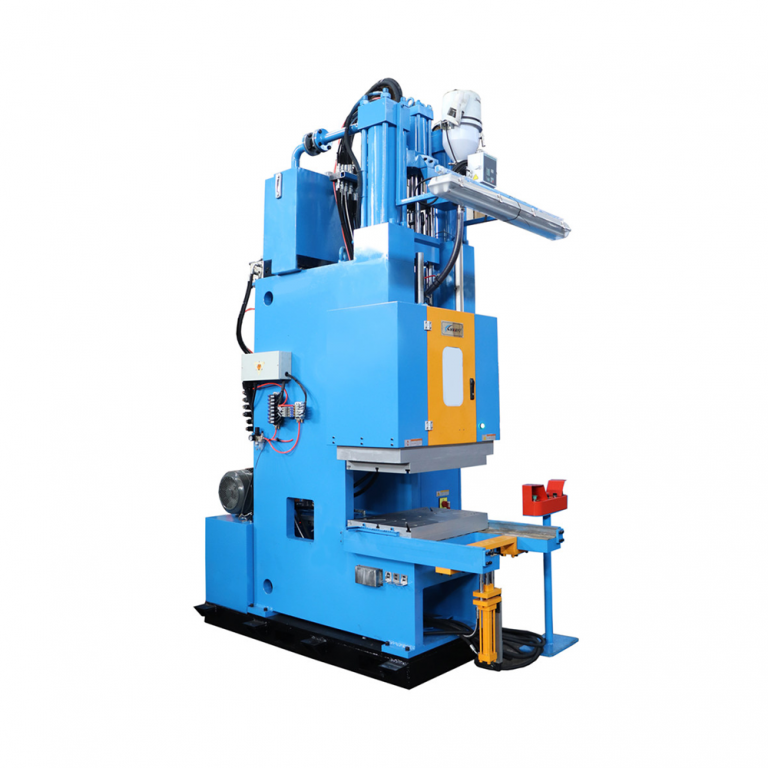
Choose a supplier whose systems support fine control and retrofit options. Look for machines that allow programmable injection curves and closed-loop pressure feedback. When evaluating proposals, compare total cost of ownership: initial price, downtime risk, spare-parts availability, and training. Consider also broader equipment categories—rubber molding equipment that integrates material handling and curing ovens reduces interface errors between units. A compact, horizontally configured press often improves floor efficiency in small footprint plants.
Common Mistakes and Practical Alternatives
Teams commonly overclock machines to meet quotas—this accelerates wear. Another frequent error is inconsistent compound preparation; inconsistent viscosity leads to unpredictable cycle and tool stress. Alternative paths are simple: standardize mixing procedures and capture process parameters per part. If short-term throughput is prioritized, consider parallelization—add a secondary mold rather than pushing single-tool limits. Retrofit strategies, such as upgraded seals and harder mold steels, buy life without wholesale replacement.
Implementation Checklist
Use a short checklist to proceed methodically:- Baseline: record current cycle time, scrap rate, and tool wear indicators.- Machine fit: confirm programmable injection curves and servo control.- Thermal plan: map mold temperature uniformity and improve cooling circuits.- Maintenance cadence: define weekly, monthly, and quarterly tasks.- Training: run focused operator sessions on shot control and degating.This checklist aligns production steps to measurable outcomes and prevents scatter in execution—small discipline matters.
Three Golden Rules for Selection and Measurement
Rule 1 — Measure what matters: track true cycle time, not theoretical shot time, and correlate with wear incidents. Rule 2 — Prioritize control over speed: precise injection pressure and consistent mold temperature yield better throughput sustainably. Rule 3 — Value systems, not just presses: integration with auxiliary rubber molding equipment reduces interface failures and unplanned downtime. These three metrics are the lens through which procurement and process decisions should be judged.
Implementing this framework yields fewer tooling failures, steadier output, and predictable maintenance windows. The gains are concrete—lower scrap, longer mold life, and better line balance. For teams that must deliver reliability under tight schedules, the Opti-Flow horizontal mindset is a practical match. HWAYI. –