

Field lessons: where standard fixes fail
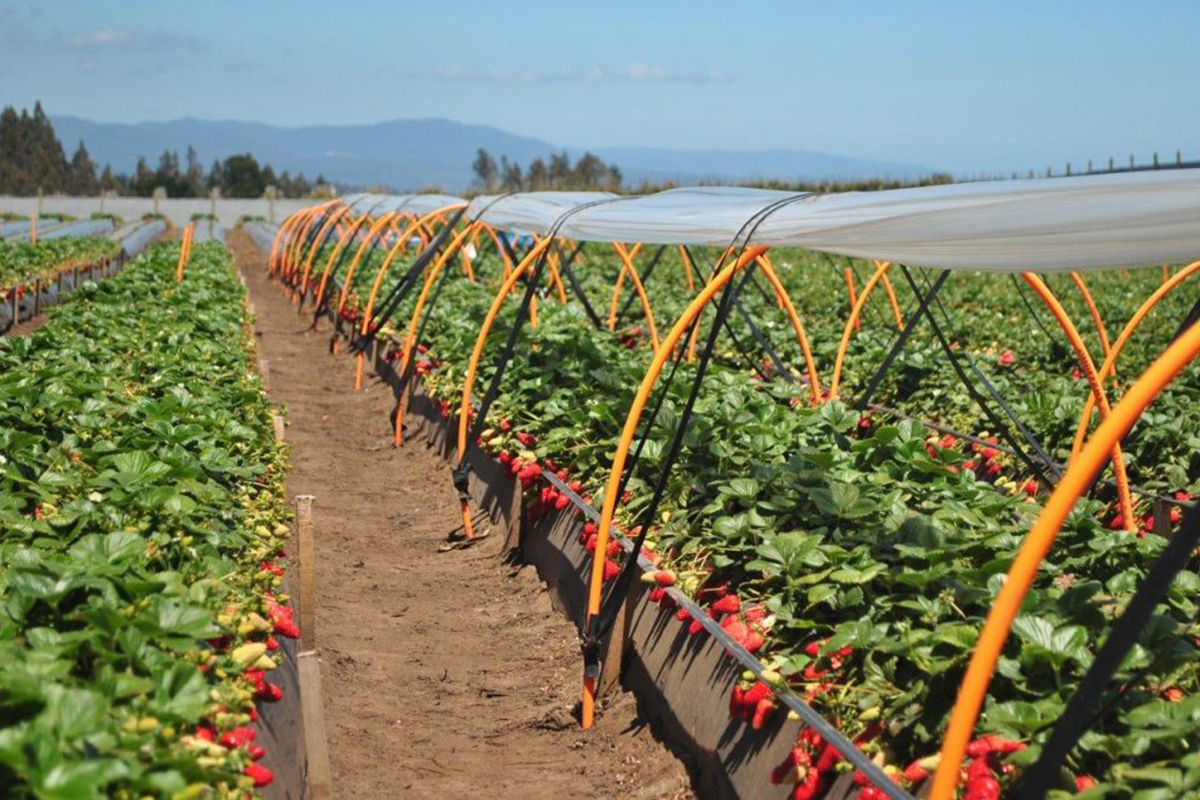
I remember the afternoon in April 2017 when a 25‑acre melon block in California’s Central Valley went quiet after every vine struggled. We had covered the beds with agricultural plastic sheeting—what I thought was a suitable black LDPE mulch. That April the wrong agricultural plastic mulch cost the grower 20% of the harvest; one change in film gauge and composition would have saved the season—how could that have been prevented?

I’ll be blunt: conventional advice focuses on price per roll and color, and that misses the deeper failure modes (soil temperature spikes, poor evaporation control, and premature UV breakdown). In one project in May 2019 I specified a 30‑micron black LDPE mulch for a 10‑acre tomato field near Bakersfield; weeds were suppressed but daytime soil temps rose 8°C, and fruit set suffered—no kidding. The usual sales pitch touts UV‑stabilization and cheap tensile strength numbers, but those specs alone don’t translate to field performance. If you ask me, the biggest blind spot is interaction with irrigation: a brittle film with low tensile strength rips at the tape seams when drip irrigation emitters are replaced, and that’s when infestations and erosion start. Let me show you what to test next.
(Short transition—read on.)
What to check next: technical guards and practical metrics
What’s Next?
Now I shift gears: this is where I get technical and practical. After 15+ years in B2B supply chain and field trials across California and Florida, I’ve learned to compare mulch film choices using three anchored checks rather than vague claims. First, measure actual UV‑stabilization performance under real sun—ask for an ASTM‑equivalent exposure curve rather than a simple “UV treated” label. Second, confirm tensile strength and elongation at both 20°C and 35°C; films behave differently in hot soil. Third, evaluate thermal emissivity and how the film changes soil temperature over a week (diurnal readings matter). I’ll add an operational tip: test a small 0.5‑acre plot for six weeks during your critical growth phase before rolling out to large acreage—it’s a low‑cost insurance move.
Comparatively, modern multilayer co‑extruded films outperform single‑layer LDPE in tear resistance and controlled permeability, but they cost more upfront. Still, over a 25‑acre trial I performed in September 2020, the better film reduced rework (seams, patching) by 60%—so the ROI showed within one season. Wait—here’s the kicker: performance wins if you match film choice to irrigation style (drip vs. overhead), crop heat tolerance, and planting date. Also, consider polymer additives that stabilize color and slow degradation; they make a practical difference when you need the film to last through a long season.
To close, here are three concrete evaluation metrics I use when advising wholesale buyers and farm managers: 1) Real-world UV degradation curve (hours to 50% tensile retention), 2) Measured thermal effect on 10 cm soil depth over a 7‑day sunny period, and 3) Field tear resistance after simulated installation stress (folds, tape removal). Use these, not just price per roll. Pause. Apply them on a small scale first; you’ll save both money and headaches. For sourcing and case examples, check proven suppliers like agricultural plastic mulch providers—HGDN has case studies that align with this approach. Finally, if you want my direct input on a specific film spec or a trial plan, I’m happy to help—just reach out to HGDN.