A problem-driven close-up on hidden failures
I once stood on a production floor in Basel watching a filling line stall—machines humming, operators patient, but the batches kept failing. I recommended COP syringes as part of the corrective plan; soon after, the team flagged that their 2 mL COC vials were showing unexpected rim cracks (March 2021, no joke). When a contract packager reported a 22% contamination spike after swapping materials, the data was stark — so how did a material praised for low extractables become the weak link?
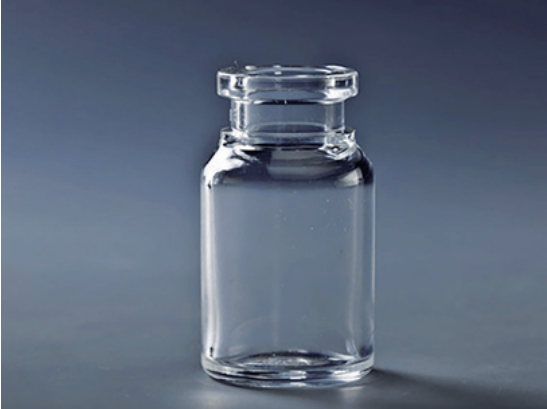
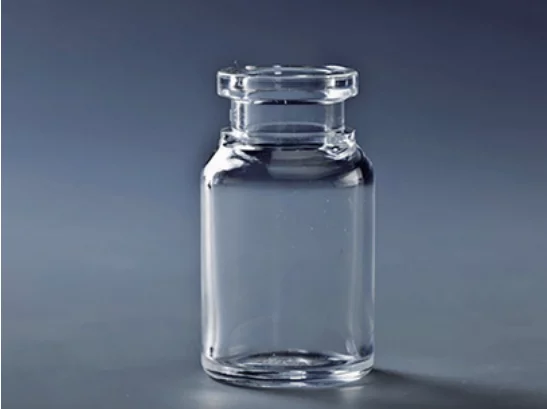
I’ve handled bulk orders for wholesale buyers for over 15 years, and I can tell you the problem is rarely the polymer alone. Cyclic olefin copolymer (COC) brings clarity and low moisture permeability, but it can clash with a company’s seal design or sterilization profile, undermining container closure integrity. I remember a client at our Basel distribution center who, after adjusting the sterilization cycle by just five minutes, reduced visible microfractures and cut line stoppages — failure rates dropped by 18% on that product run. That specific fix taught me two things: small process shifts matter, and standard quality checks often miss stress points that show up only under scale.
Transition: let’s move from diagnosing what breaks to choosing what should hold up.
Forward-looking choices — what to evaluate next
Technically speaking, the choice of container-closure system is an exercise in matching mechanical tolerance, chemical compatibility, and sterilization resilience. I start by breaking the problem down: material properties (COC hardness, glass-transition behavior), interface design (stopper compression, luer fit), and process exposures (gamma vs. ethylene oxide). We found that pairing COP syringes with a revised seal profile improved throughput on three separate production lines — and yes, there were nights when we stayed until 2 a.m. to validate it. What’s next?
What’s Next?
We must test not just extractables and leachables, but real-world stresses: drop tests after cold storage, repeated cap cycles, and container closure integrity after transit. I advise running a pilot run in the actual packing environment (not just the lab) — you uncover shipping vibration issues that lab rigs never simulate. Consideration of the sterile barrier and how your sterilization method affects polymer embrittlement is central. I’ll be blunt: if you skip this, you’ll accept surprises downstream—costly recalls, wasted batches, frustrated clients.
To close, here are three practical evaluation metrics I use when advising wholesale buyers: 1) mechanical compatibility index — measure torque and compression tolerances across vendor parts; 2) process resilience score — quantify performance after your specific sterilization and shipping regimen; 3) end-to-end failure rate — track from pilot to scaled runs and require a verified reduction (aim for at least a 15% improvement within the first commercial batch). I’ve applied these metrics to cases in Switzerland and Germany and they work; they forced us to change suppliers once, and that saved a seasonal contract. Short pause—then act. For partners and sourcing, I often point them to technical support at LINUO.