Introduction: a framework that starts with purpose
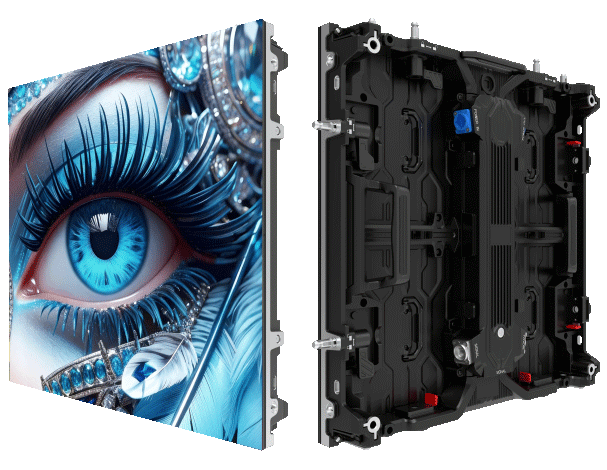
A clear, repeatable framework reduces guesswork when mounting fast‑lock frames in exposed locations. This playbook sets out the mechanical rigidity steps technicians and project managers should follow, and it is written with practical deployment in mind — whether you source a permanent façade or hire an outdoor LED supplier for a weekend event. Designers commonly refer to recognised standards such as ASCE 7 or Eurocode EN 1991 when establishing wind load criteria; those standards are the technical anchor behind this framework.
Core components of the rigidity framework
Begin with a concise partition of responsibilities and checks. The framework divides into site assessment, structural path, connection integrity, and redundancy planning. Site assessment captures mean wind speed, exposure category and topography; these dictate the wind load applied to the fast‑lock frame and inform choice of safety factor. Structural path traces how loads travel from the LED modules through rigging points to the building or temporary supports. Connection integrity covers brackets, bolts and rated shackles; each element must carry the design load without deformation. Redundancy and bracing ensure that a single failure does not precipitate collapse.
Practical field guidance and typical errors
Common mistakes persist: underestimating gusts, neglecting dynamic amplification from screen flutter, and trusting nominal attachment points without verification. For event teams handling led screen rent, temporary rigs require particular diligence — temporary fixings and cranes demand certificates and tag testing. Inspect every lifting point against the manufacturer’s load table and verify tightness after the first wind cycle. Consider guying for exposed free‑standing walls and avoid asymmetric loading of the fast‑lock frame; small oversights amplify quickly on windy days.
Implementation checklist for engineers and crews
Use this checklist on site: 1) Confirm wind criteria from local meteorological data and cross‑check with ASCE or Eurocode guidance. 2) Calculate combined loads (dead load, live load, wind load) and apply the chosen safety factor to each critical element. 3) Verify rated hardware and certificate dates for chains, shackles and slings. 4) Map the structural load path and install bracing at predicted deflection points. 5) Conduct a staged lift and a pull test of anchor points. Each step should be recorded in the rigging log; this documentation matters for liability and for repeatability.
Material choices, bracing and safety factors
Material selection affects stiffness and fatigue life. Aluminium frames provide lightness but less inherent stiffness than steel; the choice alters the bracing strategy. Safety factors for temporary outdoor screens typically sit above unity to reflect uncertain loads and dynamic effects; practitioners often specify higher factors in coastal or elevated sites. Pay attention to the interaction between the module array and the frame: resonant behaviour can arise if the effective stiffness is low. Mitigate with cross‑bracing or secondary support members where necessary — and always specify rated fasteners that match the calculated design load.
Three golden rules for evaluation and selection
1) Verify the full load path: evaluate from panel face to foundation. A single untested connection is a system vulnerability. 2) Match safety factor to exposure: select a higher safety margin for coastal, festival or high‑wind sites and document why that margin was chosen. 3) Insist on traceable certification: all rigging points, slings and lifting gear must carry valid test certificates and serial numbers. These metrics let you assess risk quantitatively — load path integrity, margin against design wind pressure, and traceable hardware condition.
Summary and practical value
Implementing this framework yields measurable results: fewer unplanned downtimes, predictable setup durations, and clearer accountability on site. Teams that adopt a documented approach reduce decision time under pressure and improve client confidence — that is the real advantage of methodical rigging practice. For many operators the solution is straightforward: partner with suppliers and rental houses that can demonstrate engineering literacy and certified equipment; such partners make compliance and safe deployment habitual. MR LED.