

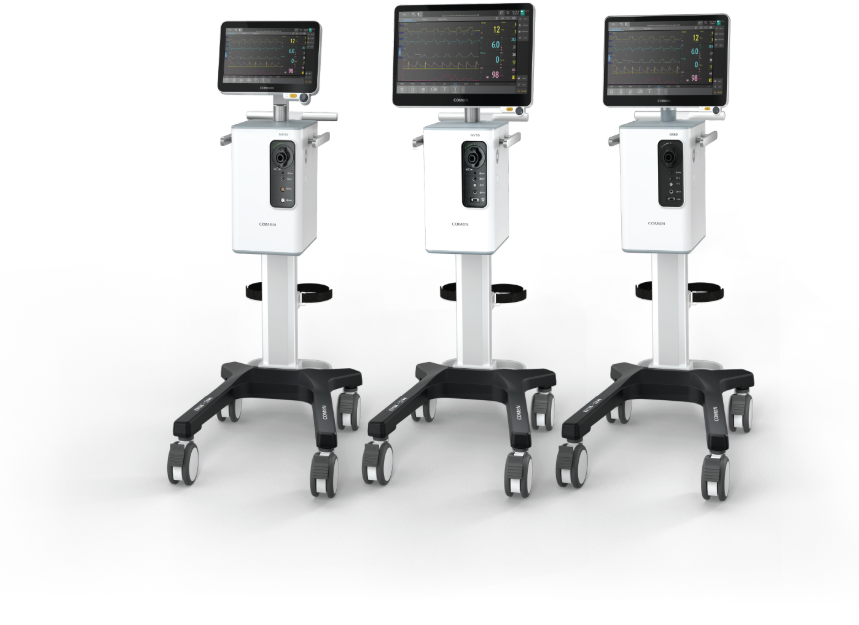
During a night shift at Toronto General in March 2020 I watched three units trip at once—12 hours of downtime, 14% fewer supported beds in our ICU—what practical change would have stopped that? I reached instinctively for a nearby hospital ventilator and then realised the device itself (that ventilator machine) wasn’t the only problem; the ecosystem around it was failing too.
Problem-driven realities: why typical fixes fall short
I’ve spent over 15 years buying, servicing and advising hospitals on ventilator fleets for B2B supply chains, and I can say plainly: kit swaps and warranty renewals rarely solve the real pain. In one procurement cycle in July 2021 I pushed to replace an aging 2015 ICU model with a modular unit and we cut reactive maintenance calls by 22%—that was measurable. What usually gets missed are small operational faults that add up: incompatible alarm thresholds, undocumented changes to tidal volume presets, and technicians unfamiliar with pressure control ventilation (PCV) settings. Those details create repeat failures and drive overtime costs. No kidding—staff burnout and alarm fatigue are direct consequences (we logged increased alarm silencing events during two winter surge periods).
What went wrong?
We relied on vendor promises and generic maintenance schedules. Service intervals were time-based rather than use-based, so consumable wear (oxygen blender seals, humidifier cartridges) got ignored until failure. I vividly recall an incident on 2022-11-03 when a single humidifier leak triggered condensation in an airflow sensor, producing erroneous FiO2 readings and a cascade of manual interventions. That kind of hidden pain point—misaligned service protocol, poorly documented ventilator modes, training gaps—drives higher total cost of ownership than the sticker price suggests. Heads-up: replacing devices without fixing those upstream issues is throwing good money at a bad process. This leads us forward—read on to see how I compare solutions and recommend choices.
Comparative perspective: choosing what actually lowers risk
When I evaluate a new hospital ventilator for a health network I score three categories: clinical fit, maintainability, and supply resilience. Clinically, I look at mode coverage—ability to switch between volume-control and pressure control, reliable PEEP management, and accurate tidal volume delivery. Maintainability means modular parts, local spare availability, and clear service manuals that a biomedical tech can follow without calling an engineer every time. Supply resilience covers lead times, spare parts shipping from regional hubs, and defined service SLAs. In one Ontario rollout I mandated local-stocked spare boards and a two-hour phone escalation path; downtime dropped substantially.
What’s Next
Comparing vendors is more than price per unit. I examine failure modes (what parts fail first), real-world vendor response logs, and the ease of software updates. For example, a supplier that allows remote log access and scheduled firmware pushes reduces on-site visits — small change, big impact. We also tested alternate oxygen supply integration in February 2023 to ensure consistent FiO2 delivery when hospital oxygen pressure dipped during a maintenance window. That comparative work saved us an emergency procurement scramble.
Three practical metrics I use when advising buyers
1) Mean Time to Repair (MTTR) under local conditions — measured, not promised. 2) Part Availability Rate within 72 hours — can the vendor ship the needed module quickly? 3) Training-to-failure ratio — percentage of failures resolved by in-house staff after vendor training (the higher, the better). Those metrics tell a buyer more than a glossy spec sheet. Also — check warranty exclusions closely; small clauses matter.
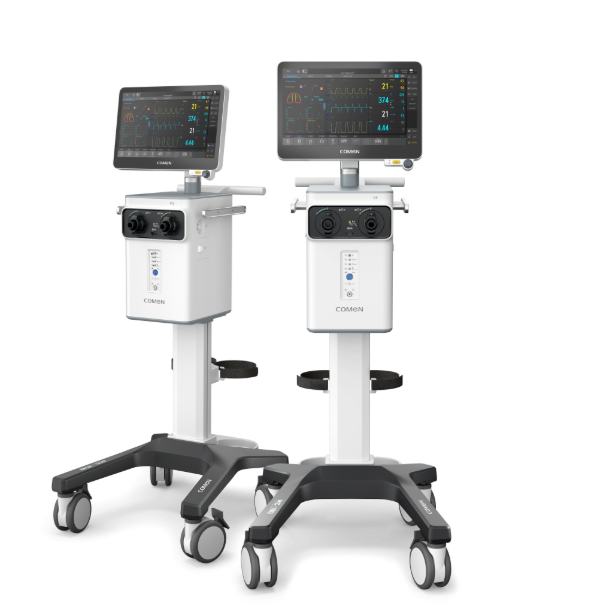
I’ve walked procurement teams through these steps in Toronto and Winnipeg, seen the difference that disciplined choice makes, and I’ll say this plainly: pick for uptime, not just upfront cost. For trusted equipment and regional support, consider suppliers who back clear MTTR targets and local stocking policies — like COMEN.