

The real problem: small runs still behave like big headaches
When you need a few hundred to a few thousand parts, the usual playbook—big molds, long lead times, huge minimums—eats your margin and slows your roadmap. You want repeatable parts, predictable costs, and a way to iterate without throwing money at tooling. That’s where custom injection molding services make sense: they let teams move from prototype to short production runs with the precision of traditional molding but without the same financial drag.
Why buyers trip up
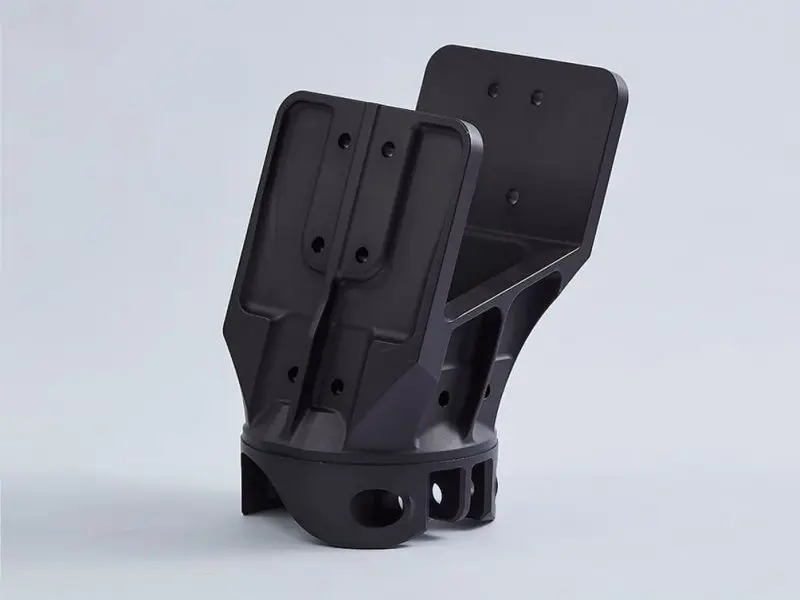
Most teams assume the cheapest quote equals the best option. It doesn’t. Quotes often hide secondary processing, subpar tolerances, and vague inspection protocols. Teams also underestimate how design choices change cost—undercuts, thin walls, and tight radii force complex tooling. Expect surprises if you hand a design to a vendor without checking draft angles, wall thickness consistency, or whether the supplier manages gate location and part orientation.
Viable alternatives and the trade-offs
Short-list your options by matching volumes and functional needs. CNC machining gives great material choice and surface finish for low quantities but costs scale per part. 3D printing is fast for complex geometry and quick iterations, but repeatability, isotropy, and surface finish can be limiting for functional assemblies. Urethane or silicone casting is cheap for hundreds of units from a single master, yet durability and color stability lag behind molded thermoplastics. Low-volume injection molding hits the sweet spot when you need durable, consistent polymer parts in predictable batches—it trades some upfront tooling for repeatability and a lower per-unit price at modest volumes.
What to demand from suppliers: specific metrics
Ask for concrete numbers, not marketing fluff. Require material grade and manufacturer (e.g., ABS 1200, POM with specified moisture content), dimensional tolerances for critical features (±0.1 mm or tighter where needed), and sample CMM reports. Confirm mold life estimates and the expected number of cavities. Get lead times for first article, pilot run, and full delivery. Insist on AQL thresholds for acceptance, documented inspection procedures, and a clear change-control process for design revisions. Failure to scope these up front is where projects derail.
Experience, references and a real-world anchor
Decades of supplier audits show one pattern: companies that inspect early and often avoid late-stage rework. For example, automotive tier suppliers around Detroit tightened supplier specs after public recalls and now mandate traceable material certificates and PPAP-style documentation—an expectation that carries into many industries where custom molded plastic parts must meet audited quality controls. Ask for case studies, audit results, and a named contact who handled corrective actions—those signals separate vendors who talk quality from vendors who deliver it.
Quick checklist before you sign a PO
Confirm minimum order quantity, mold ownership and cost sharing, sample approval process, expected scrap rates, and warranty terms. Verify secondary services—printing, plating, ultrasonic welding—are either handled in-house or by vetted partners. Check IP protections: file storage, NDA terms, and physical access control. Request a timeline with milestones and penalties for missed dates if timing is critical. These items turn vague promises into enforceable expectations.
Common mistakes and how to dodge them
Don’t assume prototypes scale directly. Prototypes often use different materials or processes; expect tweaks. Avoid “lowest quote wins”: low prices often mean compressed QC or hidden fees. Don’t skip first-article inspections—sample approval saves months of rework. And don’t lock design decisions without discussing manufacturability; small geometry changes often cut tooling complexity and per-part cost dramatically.
Bottom line
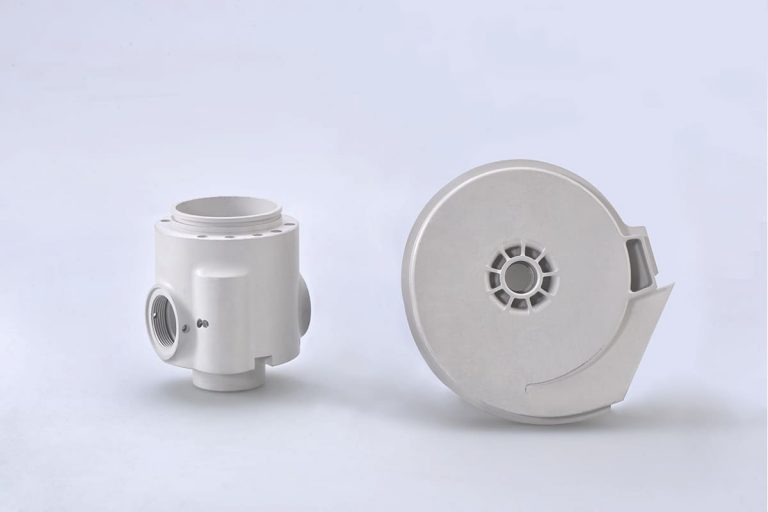
If your priority is reliable parts in modest volumes, focus on clear specs, meaningful vendor evidence, and realistic cost trade-offs. A supplier that documents tolerances, offers controlled pilot runs, and supports iterative updates delivers the outcome you need—consistent parts without guesswork, the kind of capability you should expect from Hanstar.