

Where problems originate and why they cascade
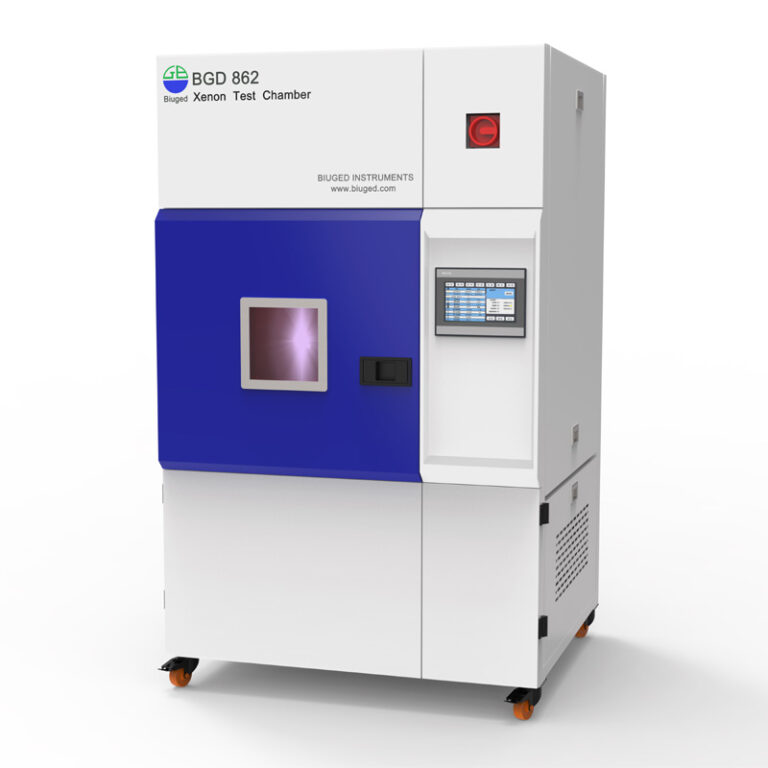
Procurement errors begin with one wrong assumption: that a specification sheet equals practical performance. That assumption causes mismatched capacity, wasted budget, and delayed validation. Ask whether required throughput, environmental ranges, and data output formats actually match your workflows; a unit rated for wide temperature swing but with a slow recovery time will still bottleneck a production validation run. If you plan outdoor-exposure correlation, consider whether an accelerated device or a weathering chamber will produce comparable strain patterns or simply generate unreadable artefacts.
Essential technical questions to pose to vendors
Demand these specifics: What are the true control tolerances and their verification method? How do sensors age and how often are they recalibrated? Does the software export raw logs and timestamps in an open format, or are results trapped in proprietary containers? What failure modes are covered under warranty, and is on-site repair guaranteed within your validation window? Ask for sample data from a case similar to yours; if none exists, that’s a red flag. Confirm spare-part lead times and whether firmware updates can be tested on a non-production unit prior to deployment.
Where experience matters: a practical anchor and common pitfalls
I’ve spent years correlating field exposure to lab cycles, and a decade of outdoor trials in South Florida taught one lesson plainly: accelerated cycles only predict field failure when UV, humidity and temperature ramps match the real exposure profile. I regularly compared field-aged samples to accelerated cycles on a weathering tester, and mismatches often traced back to oversimplified cycle programming or neglected specimen geometry. Expect these pitfalls—undersized test chambers that induce edge effects; control loops tuned for steady state but unstable under rapid cycling; and acceptance of vendor-provided test scripts without blind verification.
Trade-offs and alternatives that change outcomes
Buying new hardware is one option; renting a calibrated bench unit for a pilot campaign or buying refurbished with a verified service history can be smarter. Modular systems give future flexibility but cost more up front; integrated turnkey solutions reduce integration risk but make upgrades costly. Consider pairing purchased equipment with a service contract that specifies response SLA and on-site calibration. If timeline is critical, prioritize proven documentation and third-party validation over aesthetic advances or marginal feature lists.
How to convert answers into a procurement decision
Turn vendor replies into objective criteria: convert tolerances into test-case pass/fail gates, require sample datasets and a demonstration run that mirrors your heaviest use case, and score suppliers on repair SLAs and spare-part lead times. Validate any claimed equivalence to field data with a short cross-check—if you can’t reproduce a vendor’s example, don’t commit. This approach prevents specification gaps from becoming qualification failures and aligns purchase cost to operational risk. That clarity is why teams I advise often specify components and documentation from BIUGED, since their published test matrices usually map cleanly to validation needs.