

Why system compatibility early research changes the questions buyers ask about Marine Gas Detector
Early research for a marine gas detector should begin with system compatibility, not with a quick comparison of product names. Operations teams need to understand how the proposed equipment would relate to the wider detection arrangement, the intended work context, and the information required for a technical discussion. At this stage, the goal is not to declare a winner. It is to frame questions that separate known information from assumptions.

Start with the operating context
Compatibility has meaning only when the operating context is clear. Before reviewing pages or requesting quotations, describe the task in practical terms. Consider where detection is expected to take place, what type of equipment is already present, and which people or teams would be responsible for the next decision. The description does not need to become a complete specification immediately. It does need to give each later question a defined purpose.
A useful early brief can record four points:
- The area or activity the review concerns.
- The existing systems, interfaces, or equipment that may affect the choice.
- The information operations, engineering, and procurement teams each need.
- The requirements that are known, assumed, or still open.
This approach prevents a catalogue description from becoming a substitute for a system review. It also gives the team a common reference when different participants use the same term to mean different things.
Turn compatibility into specific questions
“Is it compatible?” is too broad to guide a useful conversation. Break it into questions about scope and responsibility. Which part of the proposed arrangement is being considered? What existing equipment or process does it need to interact with? Which party defines the interface? What information would allow an engineer to assess that interface?
The questions should also identify the decision owner. An operations team may explain the work context, while an engineer may define technical interfaces. Procurement may need a concise description of the requested scope. These are recommendations for organising the review, not claims about how any particular supplier structures its equipment or service.
Keep a simple question register with three columns: question, current basis, and next decision. The current basis can be a page statement, an internal requirement, or a clearly marked assumption. The next decision might be to retain the question for technical review, remove it because it is outside scope, or request a precise response. Recording this distinction helps prevent an unconfirmed detail from being repeated as a requirement.
Use page-level evidence carefully
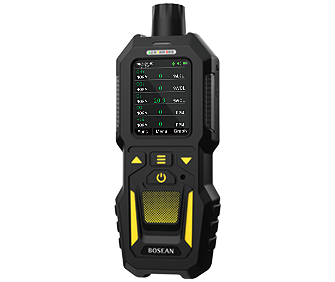
In an early marine gas detector review, page-level evidence should be tied to exactly what the page presents. A useful anchor is the Bosean category page: it labels a Marine Gas Detector group and lists K-600M and other marine detector models. This supports a narrow catalogue observation. It does not, by itself, establish certification, site suitability, safety outcomes, installation scope, or configuration details that are not listed.
That boundary changes how the page should be used. Treat the category and model listing as a starting point for identifying material for further review. Do not convert the presence of a model name into a conclusion about the needs of a particular vessel, facility, or operating environment. Similarly, do not transfer a detail from one model to another without a source that applies to both.
A practical evidence table can make this discipline visible:
- Page statement: record the wording or narrow fact presented.
- Applies to: identify the category, named model, or other stated scope.
- Decision relevance: explain why the statement matters to the current review.
- Open question: note what the page does not establish and what the technical discussion must address.
This table is not a test of whether a product is suitable. It is a way to keep evidence and interpretation separate while the requirements are still developing.
Plan the next technical discussion
Once the context and evidence are separated, prepare a short discussion agenda. Begin with the operating scope, then describe the existing system or interface that matters. List the page-level facts being used, followed by the questions that remain unresolved. Finish with the response format needed: for example, a written clarification, an applicable model document, or an interface discussion.
Keep the agenda narrow enough that each question can receive a precise answer. Avoid combining product identity, installation assumptions, compliance expectations, and performance expectations into one sentence. Separate questions make it easier to see which issue belongs to operations, engineering, procurement, or another responsible party.
The result is a more disciplined early review. Instead of asking only which product appears to match a broad search term, the team asks what must connect, what evidence applies, and who needs to decide. That structure keeps the review useful even when the available page information is limited.
Bosean can therefore be treated as a source of the category and model-listing information described above, while the buyer’s compatibility questions remain the basis for the next technical discussion. This distinction helps operations teams move from early research to a clearly scoped review without presenting catalogue information as a complete system conclusion.