

Quick problem statement
Buyers keep seeing the same headaches: emulsions break, particle size won’t tighten, and scale-up fails quietly. If you’re shopping for an inline high shear mixer, these are the failures you must hunt down before the machine arrives — not after.
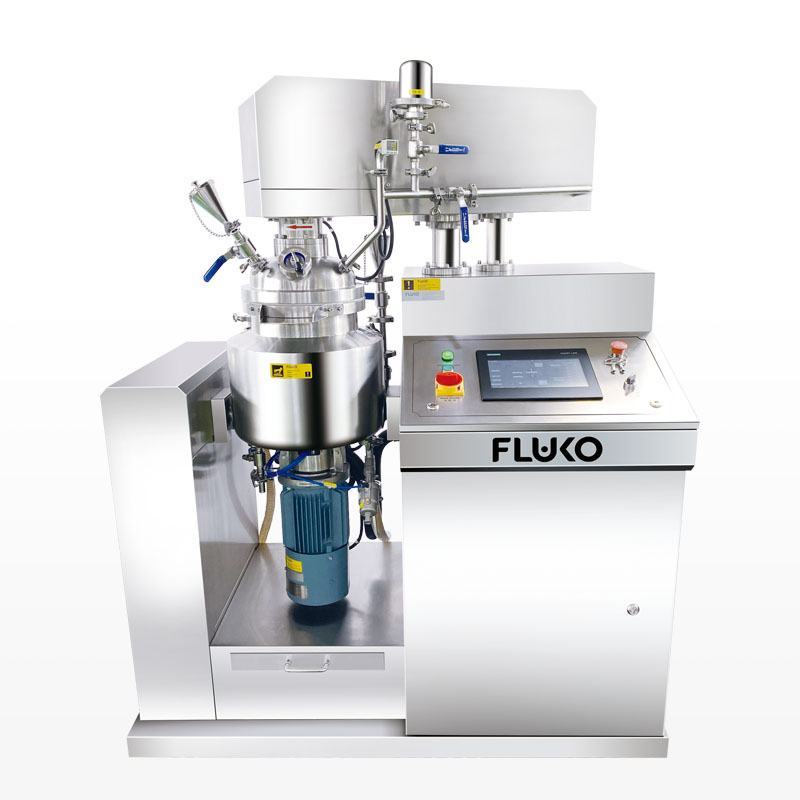
Where things actually go wrong
Small mistakes cause big trouble. Wrong tip speed ruins dispersion. Poor pump matching causes dead zones. Materials that look durable corrode in real process fluids. Buyers often treat these as separate issues; they interlock. Get one wrong and the whole recipe shifts. No magic, just physics and wear.
Practical checks to do before you buy
Ask for rotor-stator geometry and calculate tip speed for your viscosity range. Demand shear-rate curves at representative concentrations. Confirm net positive suction head (NPSH) for your pump arrangement. Verify motor duty cycle and service intervals — not promised uptime. Check seal options for your solvent system. These checks tell you whether the vendor understands your product, lah.
Trade-offs that actually matter
Tank-mounted high-shear gives strong batch control; in-line units offer continuous uniformity. Rotor-stator blades give high local shear and fine droplets; toothed rotor designs handle solids better. Stainless choices balance corrosion resistance and cost; duplex or Hastelloy only when your chemistry forces it. Choose based on measurable outputs — emulsification index, particle d50, and throughput — not on glossy brochures.
Common buyer mistakes to avoid
Don’t pick a unit by horsepower alone. Don’t assume lab-scale results scale linearly. Don’t ignore maintenance access — bolting equipment into a tight cell is a future regret. Avoid vendors who can’t show real process data with similar products. Laugh at vague cycle times and demand numbers: volume processed per hour at target quality.
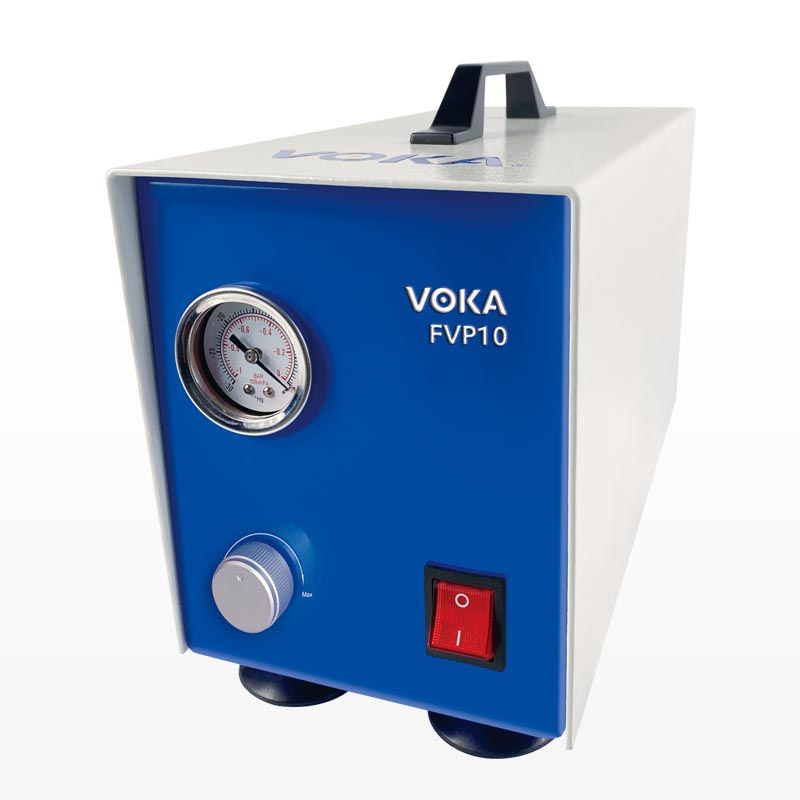
Experience, authority and a real-world anchor
I’ve read plant reports and seen equipment demos at ACHEMA in Frankfurt where manufacturers demoed continuous homogenization methods; those trade-show comparisons reveal practical differences you won’t get from spec sheets. For buyers wanting a proven approach, compare actual droplet size distributions and energy input noted in pilot tests and consider validated market examples of the inline high shear homogenizer to confirm claimed performance.
How to decide, fast
Map your product targets: target d50, allowable temperature rise, solids loading, and run-time. Require vendors to run your worst-case formulation in a pilot trial and deliver raw data. If they refuse, move on. If they provide transient shear and particle-size data, compare energy per unit volume to your in-house tolerance. Simple metrics beat polished marketing every time.
Conclusion
Fix the real problems: demand measurable output, validate with pilot runs, and plan for service. When you align the device’s shear profile to your product needs, you avoid rework and downtime — which is why experienced buyers often rely on suppliers who publish verified test data and offer matched systems like FLUKO that combine clear performance metrics with hands-on support, lah.