

Why a comparative view matters
Choosing between a stage LED screen and a modular LED panel display is less about brand hype and more about fit for purpose. This piece compares the two across performance, logistics and creative control so you can match hardware to your brief. If you plan an outdoor activation, look at an outdoor led screen and consider options for outdoor led screen rental early—rental terms often dictate available pixel pitch, brightness and delivery windows.
Core technical contrasts
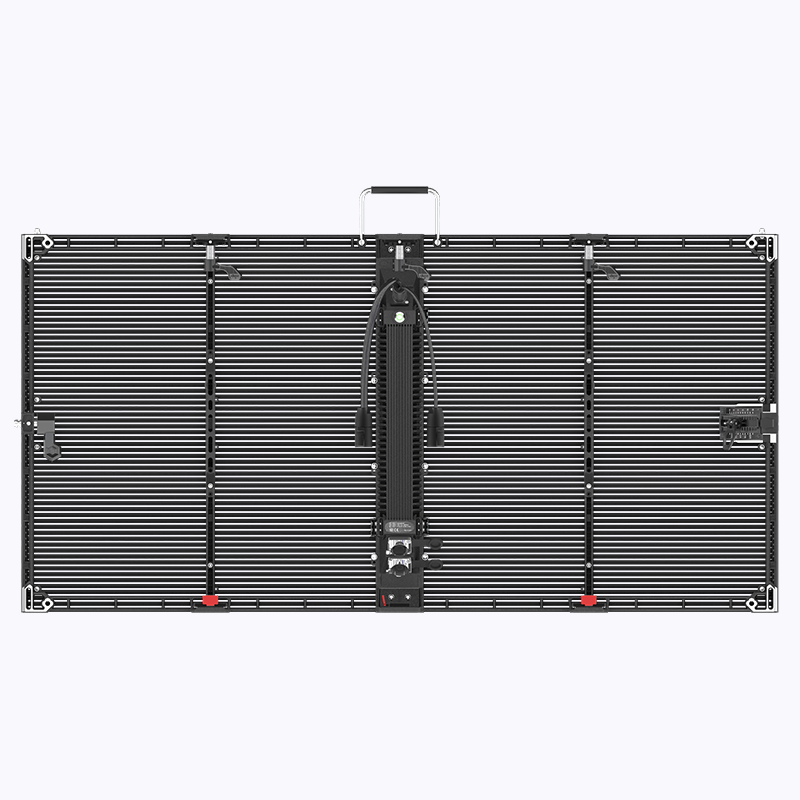
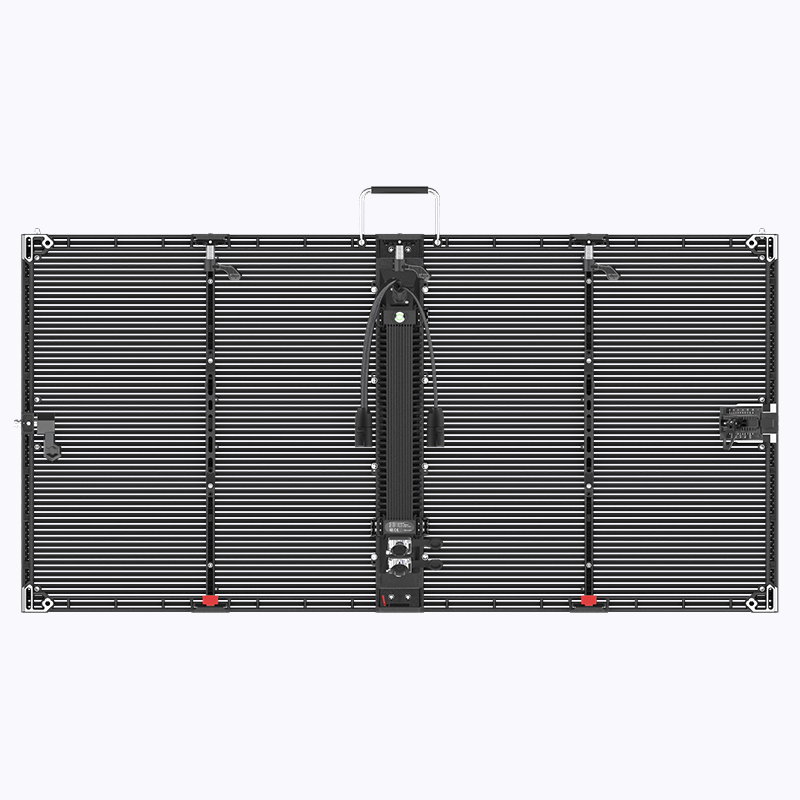
Stage LED screens are usually single-surface, lightweight builds that favour fast rigging and controlled environments. They excel where tight viewing distances and high refresh rate matter—concerts and theatre fit this profile. Modular LED panel displays (cabinet-based) offer flexibility: you can scale to wall-sized canvases with precise cabinet alignment and varied pixel pitch. Industry terms to note: pixel pitch affects perceived resolution, brightness (nits) determines outdoor legibility, and the control system governs synchronisation across modules.
How those contrasts play out in real venues
Times Square and stadium scoreboards demonstrate both approaches. Large-scale panels handle diverse viewing angles and long sightlines, while stage faces prioritise colour fidelity under moving light. For example, an arena might specify a 4mm pixel pitch for close-row clarity; an outdoor billboard will prioritise higher nits and robust weather sealing. The operational takeaway: match pixel pitch to audience distance and brightness to ambient light levels.
Logistics, costs and the rental angle
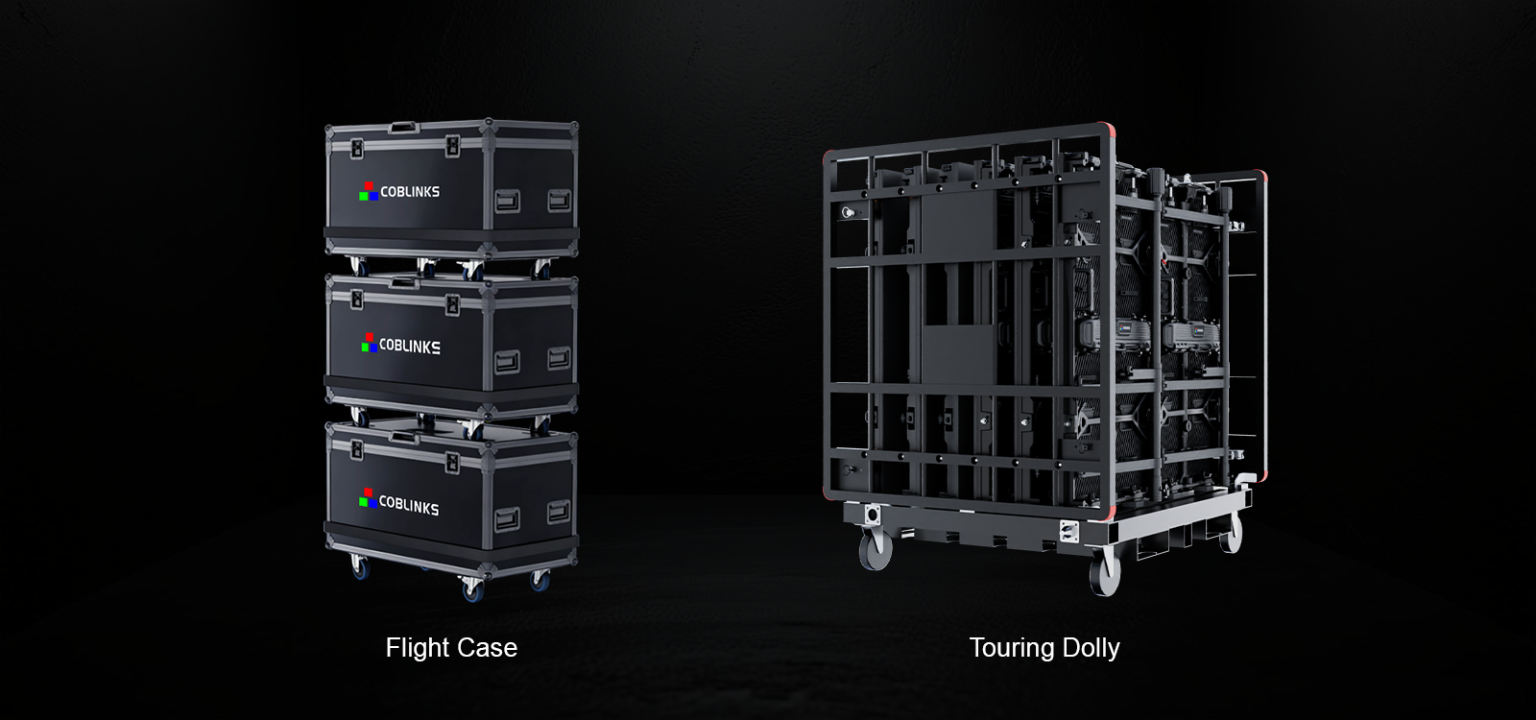
Renting changes the calculus. Rental inventory tends to favour modular cabinets because they ship compactly and repair on-site. But short-term stage shows often prefer pre-built LED walls for speed. Expect differences in transport, crew size and installation time—each adds to total project cost. When negotiating rental, confirm SLA items: delivery window, onsite tech support, and a clear policy for damaged LED modules.
Creative control and production workflow
Panel systems allow flexible aspect ratios and on-site reconfiguration; stage screens limit change but reduce setup risk. Designers must plan asset resolution to match pixel pitch, and media servers should be tested for colour pipeline and refresh rate compatibility. Asset prep is not glamorous—but it’s decisive. A mismatch between content resolution and display pixel pitch will blunt visual impact even if everything else is flawless.
Common mistakes and sensible alternatives
Teams often choose the brightest screen thinking “more is better,” then suffer from pixelation or excessive glare. Equally common: picking the smallest pixel pitch without checking viewing distance. Alternatives include blended approaches—use a high-resolution stage face for performers and peripheral panel arrays for distant spectators. Also consider LED mesh for architecture that requires transparency; it reduces weight and wind loading but trades off brightness and contrast.
Practical checklist before you commit
Before signing a rental contract, confirm: shipment and rigging timelines, power and data feed diagrams, environmental protection for outdoor units, and the vendor’s spare-module inventory. Check the control system compatibility with your playback software and request a site test where possible. Small details—mounting flange types or cabinet tolerances—can stall a load-in. —Take the time to review drawings; it saves hours on show day.
Three golden metrics to evaluate suppliers
1) Visual fidelity score: match pixel pitch to closest viewer distance and ask for a demo at the intended viewing range. 2) Uptime assurance: confirm guaranteed technician hours and replacement LED module lead-times in the rental SLA. 3) Environmental rating: for outdoor jobs insist on IP-rated cabinets and specified nits for daylight legibility. These three rules will quickly separate capable partners from risky ones and give measurable expectations for performance and reliability.
Good comparative decisions come from tested specs and clear logistics, and that’s exactly the value a focused supplier brings — a supplier who understands pixel pitch, cabinet integrity and rental SLAs. Coblinks. Short, steady.