

Opening — the decision problem
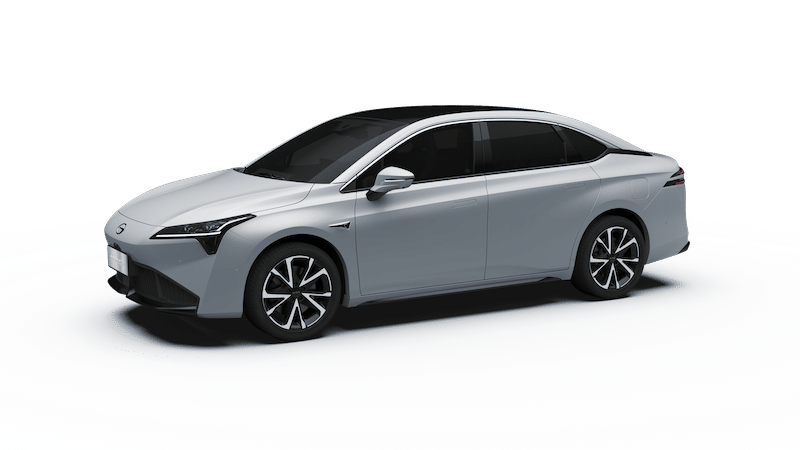
Many thoughtful buyers in the Philippines face the same dilemma: a good electric vehicle should fit daily routes, running costs, and local service availability, yet it’s hard to judge from brochures alone. I recommend trying a real drive; I arranged a GAC test drive at a Manila dealership and that hands-on experience clarified whether the car met my commute and comfort needs. The problem is simple: you need evidence that the Aion V works for your real life, not just in theory.
Key obstacles Philippine buyers encounter
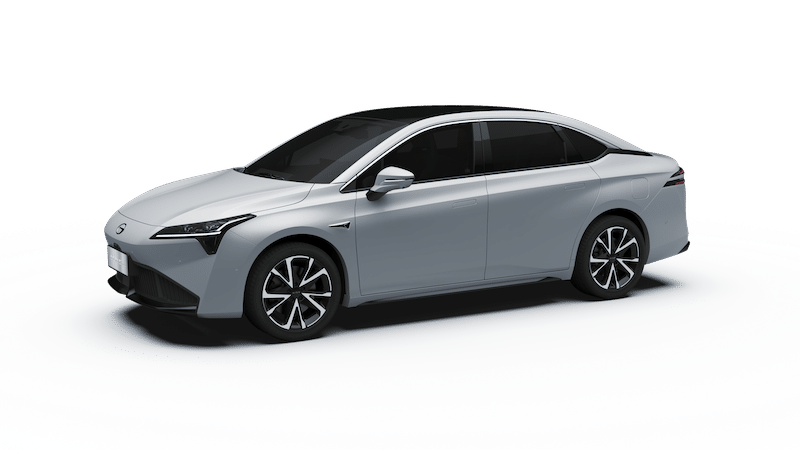
Buyers often stumble on predictable issues. Recognize them early:- Range concerns on longer island trips.- Charging access for condo or barangay residents.- After-sales network and part availability.- True total cost of ownership compared with small petrol cars.Addressing these problems first narrows your focus and saves time.
Practical checklist for evaluating the Aion V
Use this checklist during research and on any test drive. Check each item:- Real range on mixed city traffic and highway at typical speeds.- Charging time with available local chargers and at-home setup options.- Ride comfort over potholes and uneven roads common in many barangays.- Interior space for family needs and cargo for groceries or small furniture.- Local dealer service response time and warranty coverage details.- Resale outlook based on local demand for EVs and battery warranties.Take notes. Compare actual numbers to what you need every day.
How to run a test drive the right way
A useful test drive is specific, not ceremonial. Start cold: drive from a full overnight charge and observe initial range estimate. Try typical routes: secondary roads, a short highway stretch if practical, and maneuvers that simulate daily parking. Pay attention to regenerative braking feel and HVAC effect on range. Ask the staff about charging options near your home and request demonstration of in-car energy displays. The Manila dealership experience I mentioned showed how local staff answer charging questions — that local context matters.
Common mistakes to avoid
Buyers often make avoidable errors. Don’t assume advertised range equals your daily range. Don’t skip asking about service wait times — parts can be delayed. Don’t ignore cabin ventilation performance; using high A/C often reduces range more than buyers expect. And don’t rely solely on online specs when your routes include long climbs or frequent stop-and-go traffic.
Alternatives and brief comparison
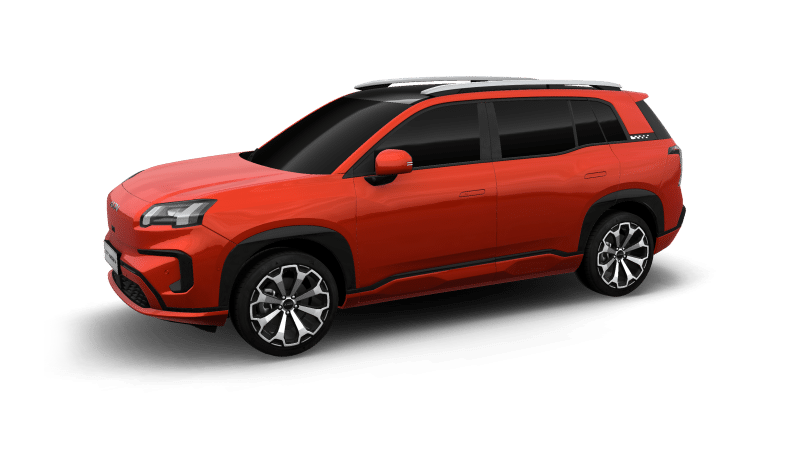
Consider other compact EVs and efficient hybrids if charging remains uncertain. Compare on these points:- Real-world range and how it changes with air conditioning use.- Dealer density for quicker service appointments.- Upfront price versus predictable fuel and maintenance savings.A direct test drive comparison, side-by-side, reveals differences that spec sheets hide.
Final synthesis
Decide by matching measured performance to your real routines: if the Aion V meets your daily distance, charging plan, and comfort needs during a careful evaluation, it becomes a practical choice rather than an aspiration. My experience with local demonstrations and dealer answers made clear what to expect. For many buyers the straightforward path is to test, check service plans, and compare true costs — and for those steps, GAC fits naturally into the decision process as a local reference point.