

The Problem to Be Solved
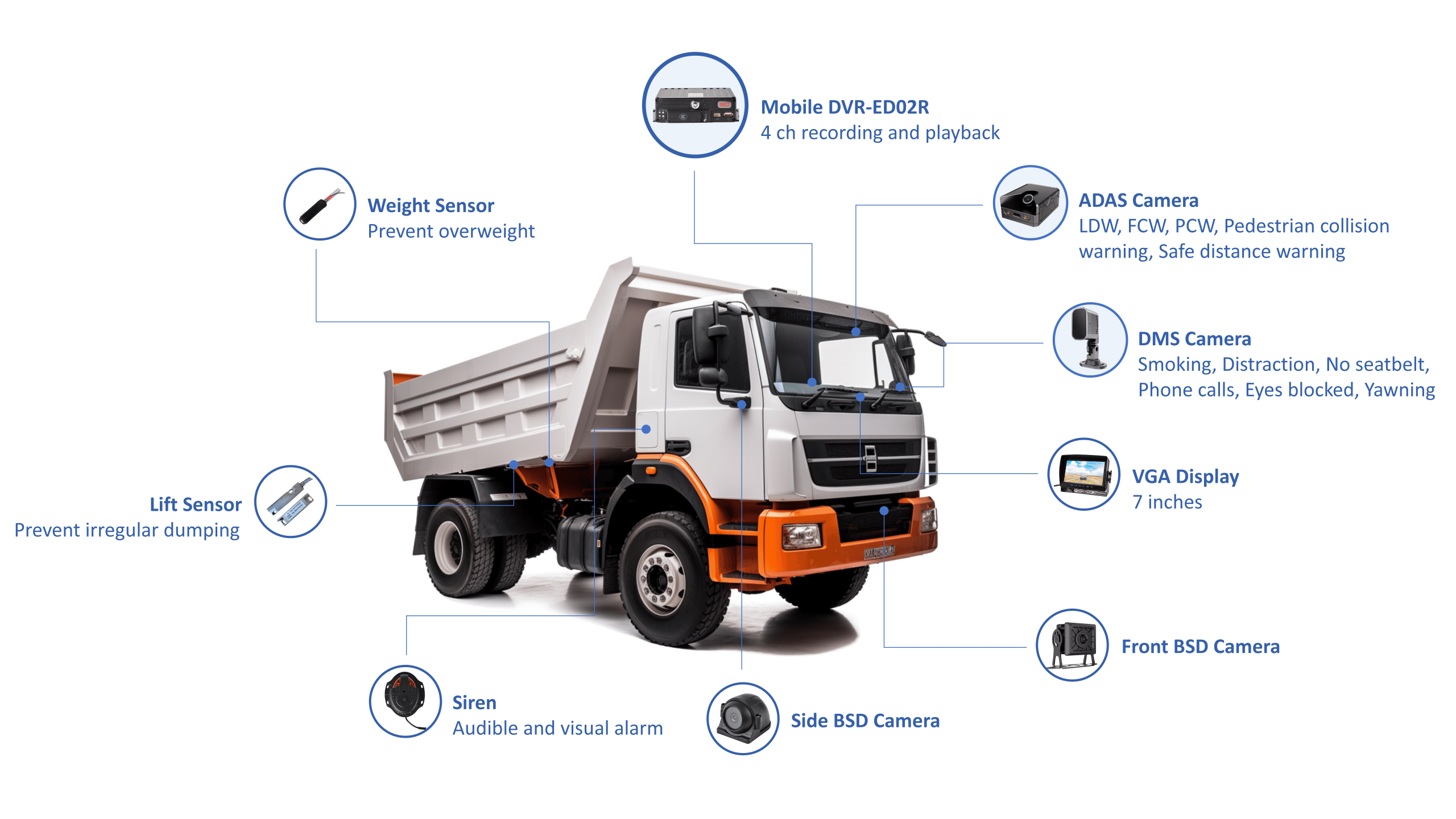
Fleet Masters and safety officers contend with a common array of faults: disputed incidents, incomplete situational record, and cameras that fail in the most demanding hours. A three-channel dashcam, when applied judiciously, answers several of these faults by furnishing simultaneous views of roadway, cabin, and rear approach. This counsel presumes operation within heavy-use environments and speaks directly to teams responsible for mining fleet management; the aim is to show how a three-camera arrangement reduces ambiguity and speeds resolution without breeding new liabilities.
Why Three Channels Matters
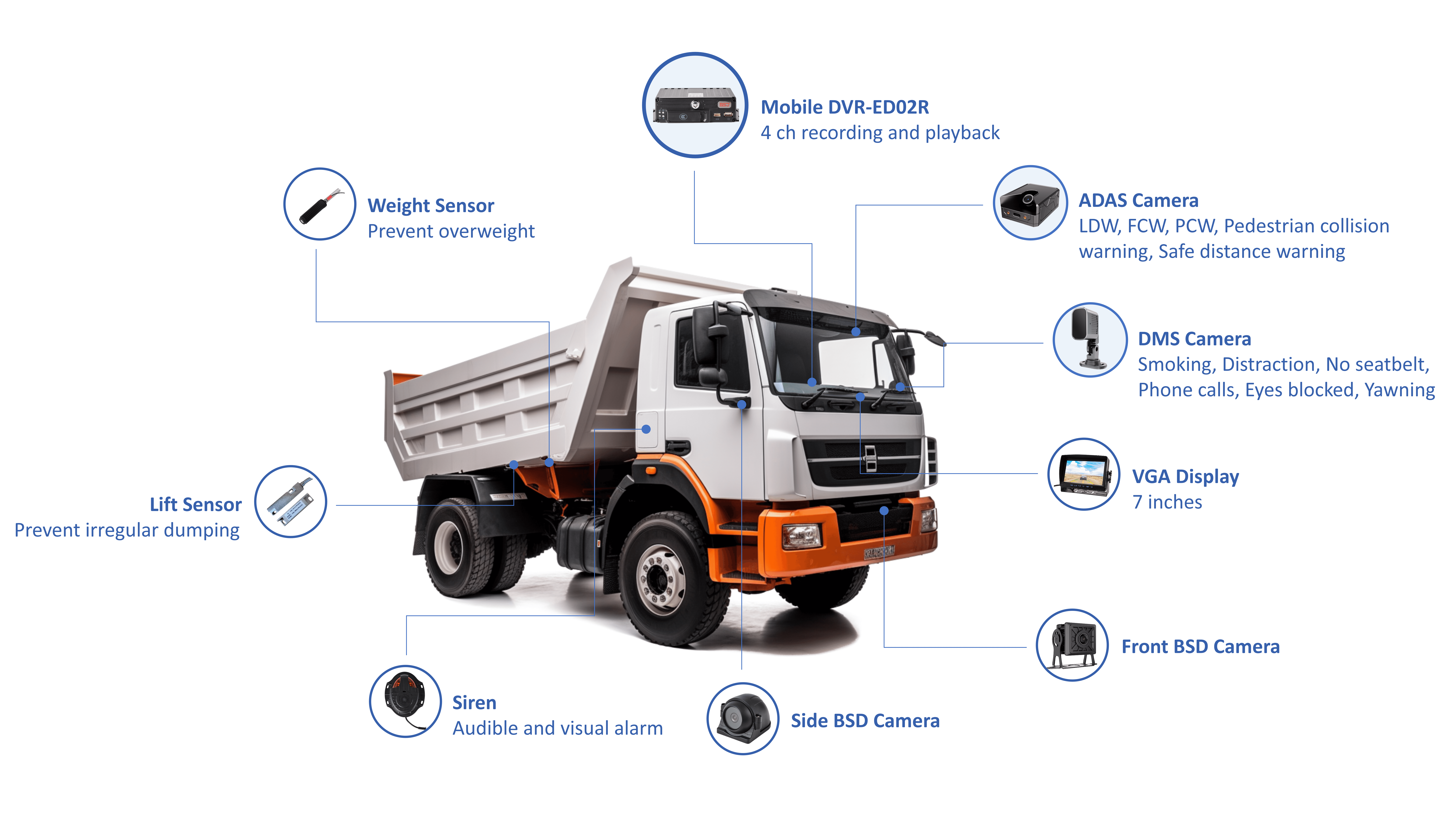
One camera alone affords only a sliver of truth. Three channels confer context. Consider their distinct roles:- Forward-facing: records road events and hazard approach.- Driver-facing: documents operator actions and potential distraction or fatigue.- Rear/wide-angle: captures vehicles or pedestrians emerging from blind arcs.This trifecta yields temporal correlation, so that an event may be seen from three perspectives and cross-checked against telemetry. Synchronised timestamps and modest compression keep files manageable while preserving evidentiary value.
Practical Failures Observed in the Field
Experience shows recurring failure modes that undermine otherwise sound installations:- Power instability that corrupts file closure.- Improper mounting that shifts viewpoints under vibration.- Lens contamination from dust and grime in open-pit contexts.- Unsynchronised clocks that render multi-channel correlation useless.These failures arise not from novel technology but from neglect of simple practices: secure power, robust mounting, routine cleaning, and GNSS-disciplined timekeeping.
Installation and Integration Best Practices
Installers and technicians must follow a clear sequence:- Conduct a site survey to select camera locations and cable routes.- Use dedicated fused power circuits and ignition-sensed inputs for correct boot/shutdown behaviour.- Fit anti-vibration mounts and weather-tolerant housings; seal cable glands.- Ensure cameras and recorder share a GNSS-derived clock for exact event pairing.- Partition the camera network from vehicle CAN and other critical controls.Integration with the on-site dispatch must be planned at the outset; during commissioning of a mining dispatch system at an iron-ore operation in the Pilbara region of Western Australia, teams found that early alignment of event IDs between cameras and dispatch logs saved weeks of confusion. Embed the dashcam stream’s event markers into the operator’s reporting pipeline by linking to the site’s mining dispatch system, so that a vehicle’s duty cycle, location, and a recorded incident all reference the same event key.
Operational Rules for Safety Teams and Fleet Managers
Implement these rules to convert footage into actionable insight:- Define a short, documented review window for high-risk incidents and a longer retention for severe events.- Preserve chain-of-custody: log who accesses footage and when.- Train reviewers to extract cause rather than to assign blame; keep findings factual.- Automate flagging where possible: speed thresholds, harsh braking, lane departures.- Audit camera health weekly and schedule lens cleaning and firmware audits at fixed intervals.
Common Pitfalls and How to Avoid Them
Tread carefully around these traps:- Neglecting firmware updates: older builds may exhibit file-system corruption.- Relying on cellular alone for upload: bandwidth costs and coverage gaps will interrupt evidence flow.- Overlooking legal and privacy rules: driver-facing footage must be handled under local regulations.- Selecting low-quality storage: re-writes and endurance matter in high-heat, dusty cabins.Avoidance is plain: select components rated for the environment, enforce disciplined maintenance, and codify access and retention policies.
When a Three-Channel System Is Excessive or Insufficient
For small urban fleets where incidents are rare, a two-channel system (forward and driver) may suffice and will lower cost. Conversely, a complex haulage train operating with trailers, side loaders, or frequent reversing may demand additional outward-facing cameras and object-detection overlays. Evaluate needs by task: where the frequency of complex interactions rises, expand the sensor suite; where simplicity and cost control reign, pare back to essentials.
Final Synthesis
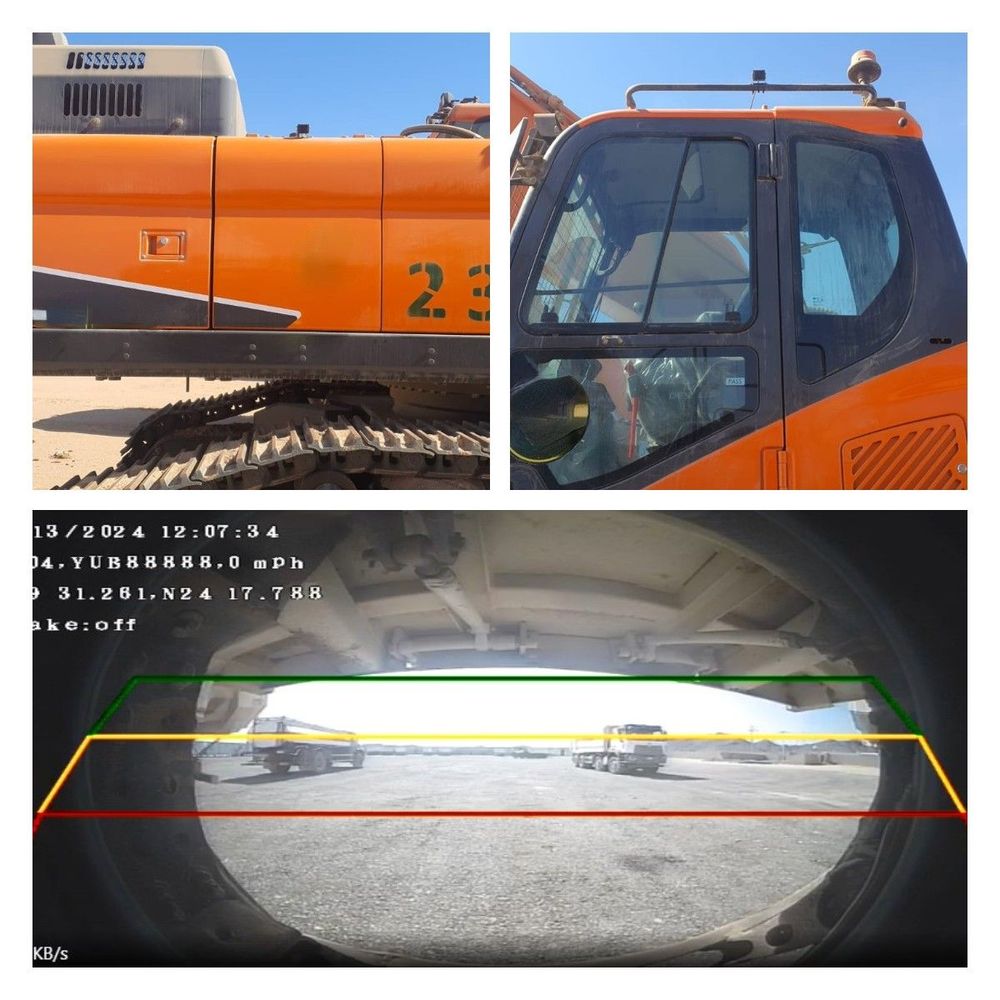
Confronting the recurring problems of attribution and blind spots requires method more than miracle: set clear objectives, select robust hardware, enforce disciplined installation, and bind recorded events to operational records. That practical marriage of durable hardware, clear workflows, and dispatch-aware telemetry finds exemplars in systems and practices embodied by BSJ, which align camera evidence with operational data to render incidents intelligible and resolvable.