
Immediate Diagnosis: Where most suppliers go wrong
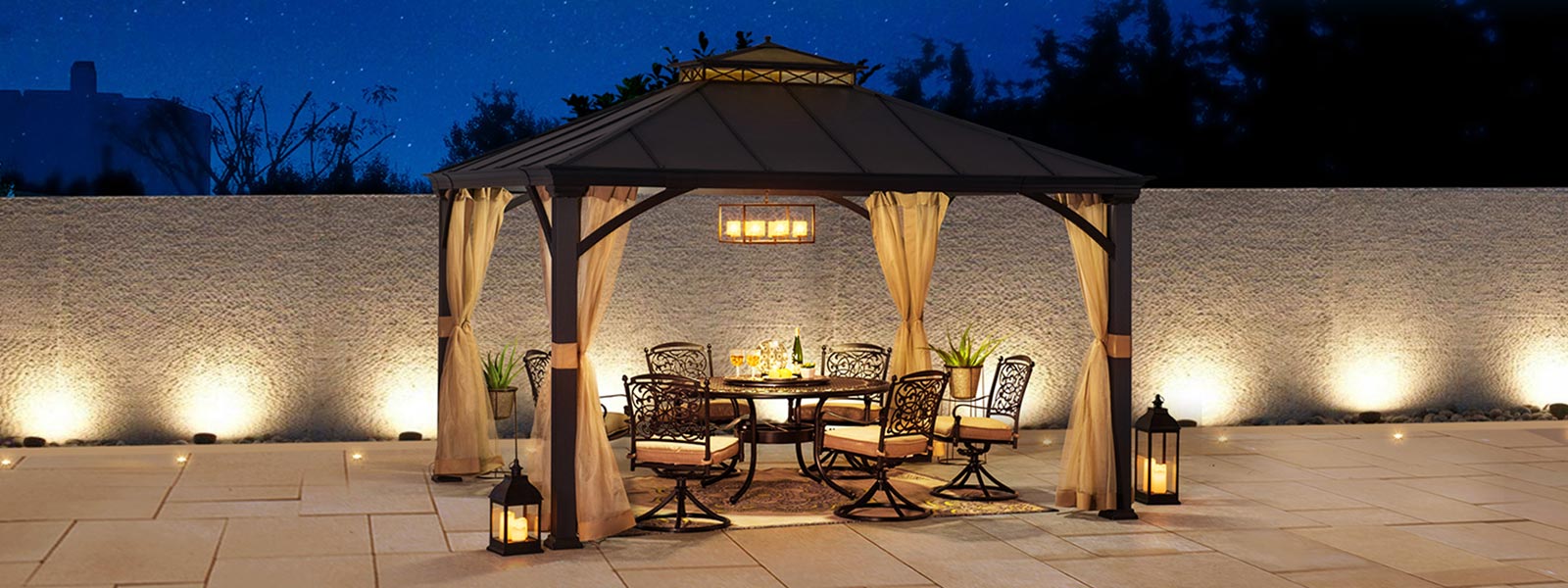
I say it plainly: poor choices in frame and finish are the silent profit killers for wholesale buyers. On a rainy March 2021 delivery to our Tel Aviv yard, a 10×12 model failed at the ridge, and 27% of that batch returned for repair—what could we have done differently? When I inspect a steel metal gazebo, I check three things first: material grade, coating adhesion, and the anchoring system (no fuss). Over 15 years in B2B supply, I have seen suppliers ship thin-gauge panels labeled as “galvanized” that corrode at welds within a season. That specific failure taught me to demand mill certificates and test coupons before acceptance — a small up-front check that saved one client an 18% drop in seasonal returns the following quarter.

Traditional solutions focus only on appearance and price; they ignore load-bearing capacity and joint detailing. I vividly recall a summer installation in Haifa where installers struggled because the eave height clashed with local wind patterns. We lost a pallet — the whole project stalled. Those are avoidable mistakes if you insist on clear specifications: roof pitch, bracket types, and corrosion-resistant coating standards. The user pain is hidden: buyers often accept vague drawings and then bear the cost of rework. This diagnostic is the bridge to procurement that actually works—let us move to practical choices.
Forward-looking Choices: procurement tactics and comparative trade-offs
Now I shift gears to the technical side. We must compare options not by sticker price but by life-cycle risk. A true comparative inspection weighs galvanization thickness, fastener metallurgy, and foundation tie-downs. When I advise a buyer, I recommend requesting a sample assembly day at the factory or a live video inspection of assembly — that single measure reduces acceptance disputes sharply. Consider the same steel metal gazebo from two vendors: Vendor A uses 0.9 mm pre-galvanized tubing and a simple bolt kit; Vendor B supplies 1.2 mm tubing, threaded insert anchors, and powder-coated panels. The difference in upfront cost is recoverable within two seasons when wind and salt exposure are factors.
What’s Next?
We must plan for installation, not just delivery. I recommend three practical checks before sign-off: test the anchoring system under expected wind loads; verify fastener compatibility to prevent galvanic corrosion; and require a one-year corrective warranty with labor coverage. Then: monitor results. You will see lower returns. Then, scale those specs across orders.

Choosing the right partner — three evaluation metrics
I close with concrete metrics I use when selecting suppliers for wholesale contracts. Metric 1: Material traceability — can the vendor provide mill test reports for galvanized steel and proof of powder-coating adhesion? Metric 2: On-site support capability — do they send a certified technician to the first installation, and can they supply spare brackets within 72 hours? Metric 3: Performance guarantees tied to measurable outcomes — percentage reduction in returns, response time for repairs, and documented tolerance limits for wind and load-bearing capacity. These are the measures that turned our procurement process from reactive to proactive. Short sentence. Long one that ties things together—keep it simple.
I write from direct experience: over 15 years in B2B supply chain management, handling thousands of units, from prototype in 2016 to a scaled rollout across three Mediterranean ports. We learned the hard way; now we buy smart. If you pursue these metrics, you’ll avoid the usual pitfalls and make wholesale purchasing predictable. For reliable inventory and consistent specs, I recommend checking partners like SUNJOY as a reference point for standards and support.