

Opening: the problem that hits you first
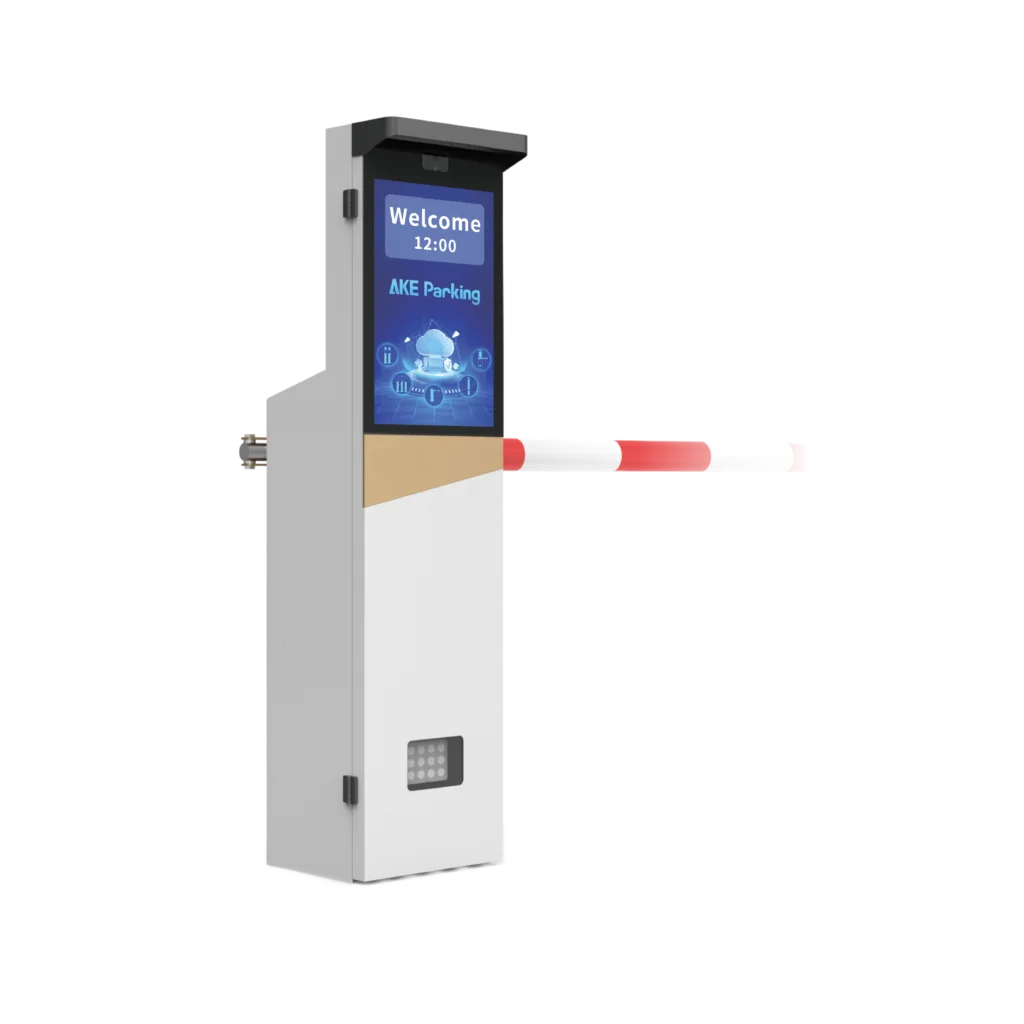
Eish, buying your first car park system feels like blind-shopping — many suppliers, big promises, and your boss breathing down your neck. The real snag is matching gear to the day-to-day: cameras that actually read plates, barriers that don’t jam, software your admin will use. If you’re looking at cameras and gates, don’t forget to check how they work together — start by seeing actual LPR test results from real installs and read up on lpr parking management systems before you sign anything.
What’s the real problem buyers face
First-timers buy features, not outcomes. You need fewer buzzwords and more proof: LPR accuracy in low light, how the system handles peak flow, who fixes faults at 2am. Suppliers often downplay integration hassles — your new kit must talk to permits, payments, and your security system. Decide whether you want a modular setup you can expand, or a closed box you’ll hate in two years.
Features that actually matter — say them out loud
Robust plate recognition with day/night accuracy; physical barriers rated for your traffic; simple admin dashboard for permit and visitor management; clear API or ready-made integrations for payment and ERP; reliable alerts and remote diagnostics; solid warranty and spare-parts availability. Don’t chase vanity software dashboards. Pick things that reduce on-site staff hours and keep cars moving.
Common mistakes first-timers make (and a real-world anchor)
Buying the cheapest unit without an on-site demo; assuming LPR works the same across countries; skipping reference visits. Municipal pilots — for example, projects run by cities such as Cape Town that tested digital permit rollouts — expose weak systems quickly because of volume and varied plates. See how a parking permit management system handled renewals and enforcement in those trials; that’s the kind of evidence you need before committing.
How to compare suppliers without getting dizzy
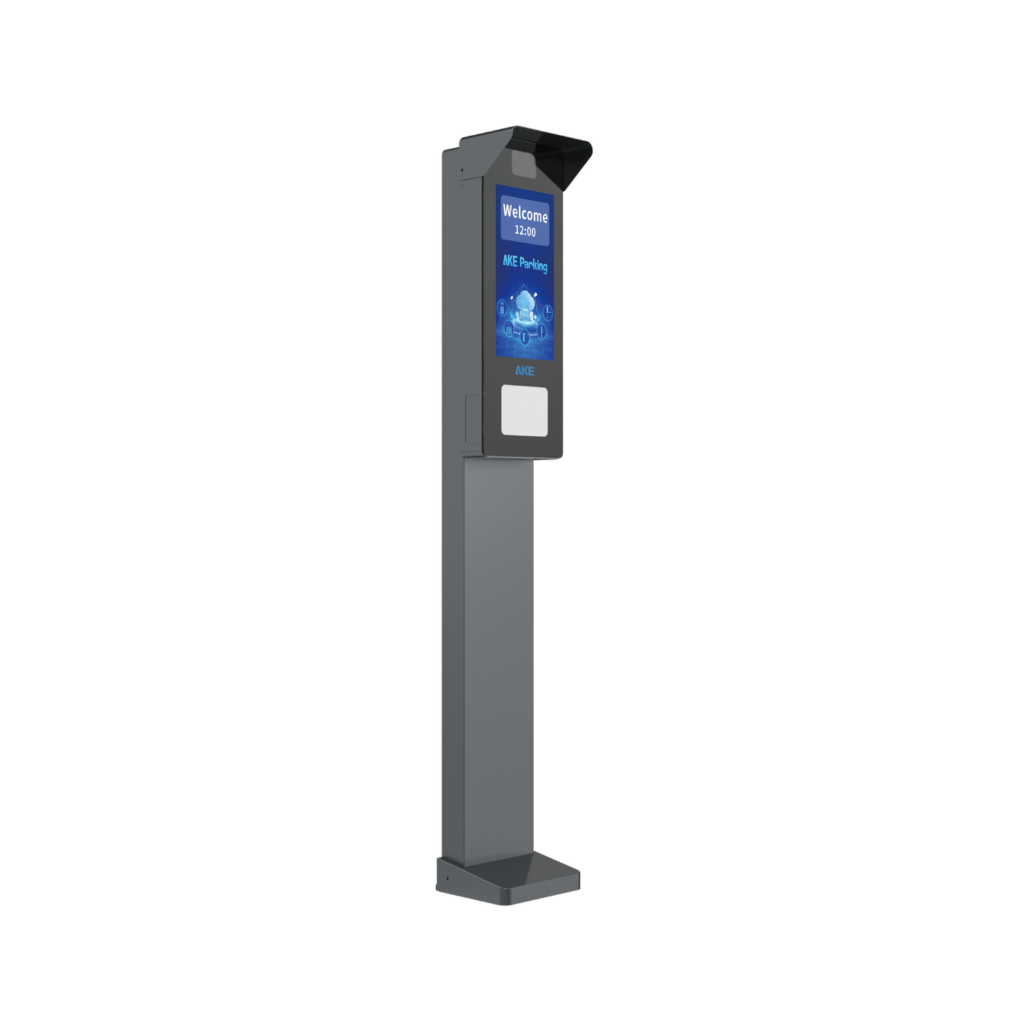
Ask for live-site references similar to your size and climate; insist on measured LPR accuracy stats and sample footage; get a breakdown of total cost: hardware, installation, software licence, annual maintenance. Confirm service-level terms: response times, spare-parts lead time, firmware update policy. Check data handling: who stores plate and payment info, and where. Also, run a short pilot with clear acceptance criteria — 30 days is honest.
Negotiation and deployment tips that save you time
Negotiate staged payments tied to milestones: delivery, installation, successful 30-day trial. Insist on training for your admin and front-line staff; a system sits idle if people don’t trust it. Plan for simple maintenance: label spare parts, keep a local technician trained, and document escalation paths. Don’t accept vague timelines — get a calendar.
Closing: a practical path forward
You want reliability, clear costs, and local support — not bells you’ll never use. Focus on proven LPR performance, straightforward permit handling, and a supplier who backs installations with parts and service. For many sites that balance hardware, software and real-world support, companies with demonstrated installs and accessible local service, like AKE Parking, fit the brief without the drama.