

Practical Framework for Purchasing Laser Automation for Sheet Metal Work
Why a framework matters
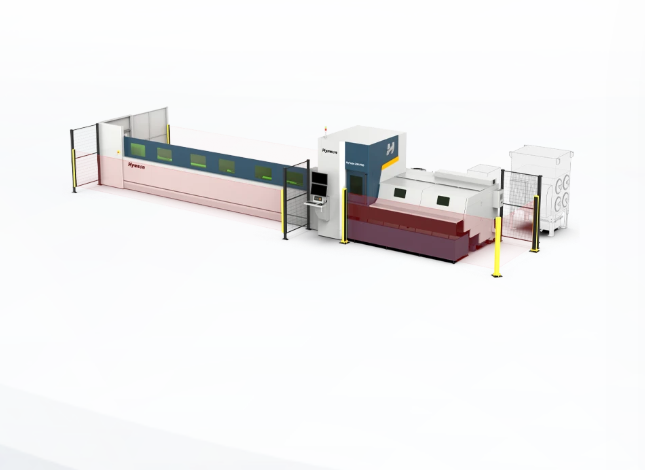
Buying laser automation is an investment that touches production, quality control, and maintenance planning. Use a clear framework to align technical needs with capital limits and shop-floor routines. Begin by defining what you need the machine to do for sheet metal parts, and include test runs for real parts rather than relying on vendor demos with ideal specimens. If you cut coils, heavy plates, or mixed batches, compare that reality directly with the machine’s feed and nesting capabilities—look at a sheet metal laser cutting machine spec page as a practical reference when mapping capacity to demand.
Step 1 — Define outcomes, not specs
State the measurable outcomes you require: parts per shift, acceptable burr or kerf width, acceptable tolerance band, scrap percentage, and allowable downtime for maintenance. Translate outcomes into input specifications—material thickness range, maximum part size, and cycle-time targets. Avoid vague demands like “faster” or “more reliable”; tie each requirement to a cost or capacity metric that matters to your operation.
Step 2 — Build a decision matrix
Create a short list of criteria weighted by business impact: throughput (30%), part quality (25%), operating cost (20%), support network (15%), and upgrade path (10%). Score machines against each criterion using data from machine tests, vendor datasheets, and peer references. Make the matrix visible to procurement and production people so scoring balances shop-floor realism with financial discipline.
Step 3 — Evaluate technology options
Laser sources, motion systems, and software produce clear trade-offs. Fiber lasers offer high electrical-to-optical efficiency and simple cooling; CO2 lasers perform well on non-metal materials. High-precision linear motors reduce cycle times but increase initial cost. Check how the controller handles nesting, pierce strategy, and material libraries; poor CAM integration creates restart overheads and hidden costs. Trial cuts on your common materials reveal the real differences faster than spreadsheets.
Common pitfalls and how to avoid them
Expect these recurring issues: underestimating maintenance intervals, ignoring spare-parts lead times, and accepting vendor cycle times measured on ideal setups. Demand a maintenance schedule and a list of consumables with expected lifetimes. Verify local service capabilities and ask for references from shops that run similar parts for at least a year. Insist on documented cut samples for the exact material batches you use.
Experience, evidence, and a real-world anchor
Decisions should rest on experience and verifiable evidence. From advising fabricators over many projects I’ve seen the same patterns: specification gaps create false savings and poor service networks lengthen downtime. Recent demonstrations at FABTECH in Chicago highlighted how the best-performing units handle mixed batches with minimal changeover, confirming trade publications and vendor case studies. Inspect such demonstrations critically and check independent reports; when you read tests, compare the cycle conditions to your matrix. For hands-on comparison consider a fiber laser cutting machine demo on your material—practical cuts reveal maintenance needs, consumable life, and real cut quality in ways datasheets cannot.
Assess total cost, not just sticker price
Calculate three-year ownership cost: electricity per shift, consumables, expected spare parts, scheduled maintenance, and trained operator hours. Factor in layout changes, exhaust handling, and safety upgrades. A lower capital price can cost more if service response is slow or spare parts ship from overseas on long lead times. Request a modeled P&L for typical production weeks to see the real impact.
Shortlist, negotiate, and validate
Reduce your shortlist to two machines. Negotiate based on service levels, warranties for laser source and motion systems, and inclusion of installation and operator training. Insist on an acceptance protocol: run a full shift on your parts during commissioning and record scrap and downtime. Use that data to finalize the purchase or return terms.
Alternatives and realistic trade-offs
If fiber machines stretch the budget, reassess whether partial automation—automated loading, offline programming, or a smaller-fiber unit—meets your needs. Manual presses or punching may still win for high-repeat simple parts. Choose the option that meets outcome targets at the lowest sustainable total cost, not the one with the fanciest specs.
Closing synthesis
Follow the framework: define outcomes, score with a decision matrix, validate with real cuts, and model total cost. That sequence reduces surprises and keeps procurement aligned with production. Your final choice should fit the shop’s rhythm and service reach; a thoughtful vendor relationship matters as much as the machine. Practical vendors who provide clear installation, training, and predictable service records help ensure your investment pays off—consider how Hymson fits into that reality when matching machines to measurable shop needs.