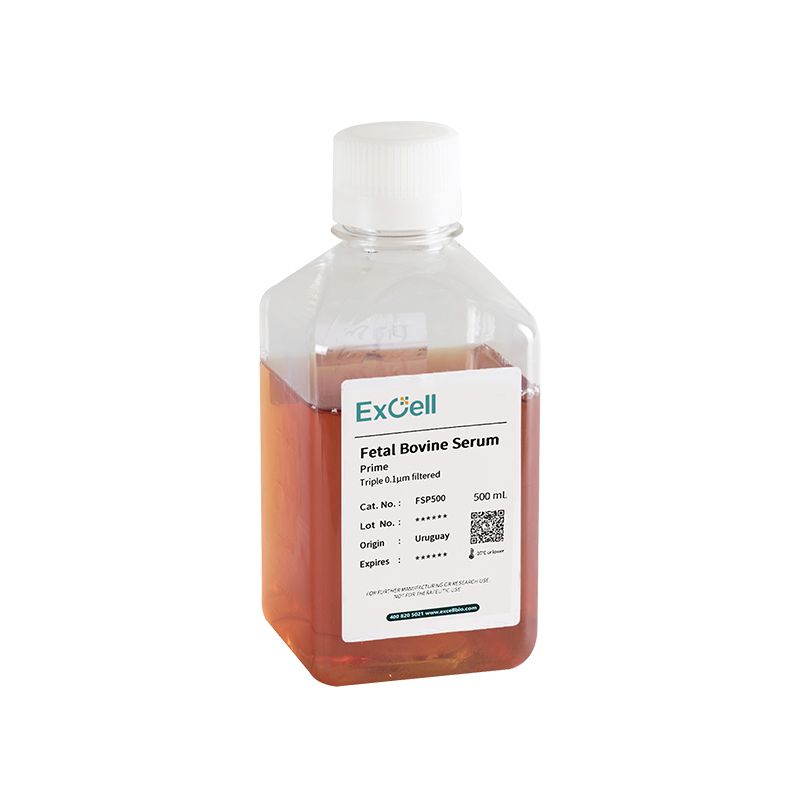
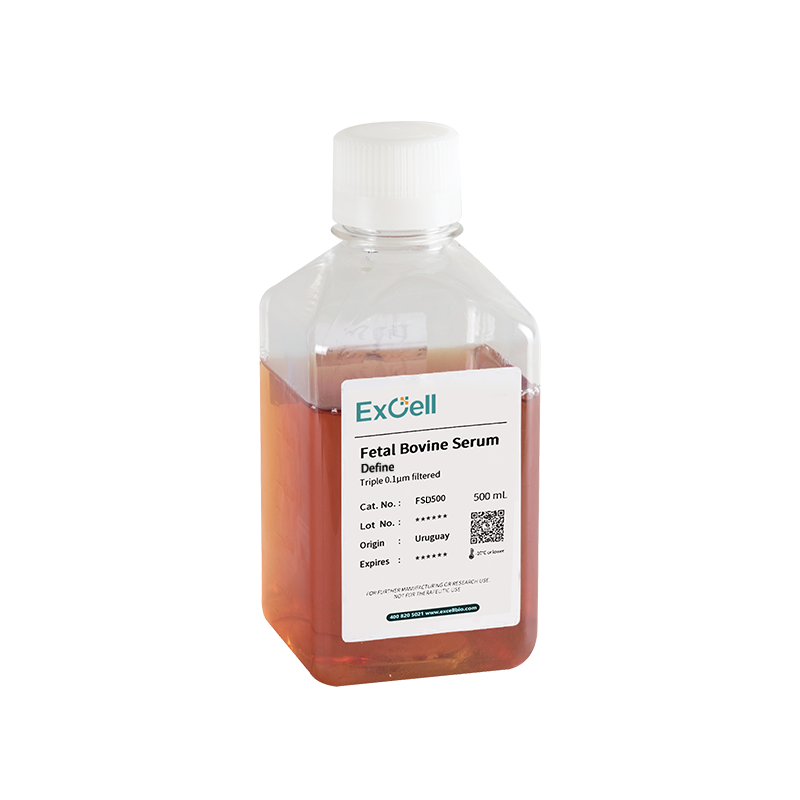
I say this bluntly: supply reliability is the new competitive edge for labs and manufacturers. In one recent procurement cycle we watched deliveries of calf serum shift unexpectedly, and fetal bovine serum batches arrived with inconsistent certificate of analysis notes—and that variability cost real time and money. Scenario: a mid-sized cell therapy team in Boston waited three weeks for a replacement lot (March 2021); data showed a 12% drop in cell viability when they switched lots without retesting. So how do you move from reactive scrambling to steady, predictable sourcing when the stakes are this high? (This is about more than price.)
Now let’s dig in — and set a practical path forward.
Where Traditional Calf Serum Sourcing Breaks Down
Why do standard methods fail?
I’ve spent over 18 years in the biologics supply chain, and I can tell you exactly where the usual playbook trips up. First, many teams treat calf serum as a commodity rather than a regulated component. They buy on price, accept single-use lots, and assume sterility testing and endotoxin specs will be consistent. In practice, lot-to-lot variability and gaps in the certificate of analysis (CoA) create downstream surprises. For example, in October 2019 a San Diego contract research group swapped a 50 L lot of fetal bovine serum from a different region and saw a 15% yield drop in primary hepatocyte cultures within 10 days—this translated to two failed runs and $28,000 in lost reagents. That’s the kind of consequence I mean: measurable, painful, and avoidable.
Second, logistics and cold chain weaknesses are underestimated. We once tracked a shipment that sat at a hub for 48 hours without temperature monitoring—sterility testing later passed, but subtle protein denaturation showed up as reduced growth factor activity. The standard fixes—more suppliers, batch pooling, or last-minute testing—help, but they don’t change the root causes: incomplete supplier audits, sparse historical lot data, and weak traceability. I prefer solutions that combine supplier transparency (full CoA archives), proactive sterility testing, and quantified endotoxin thresholds. Those three elements cut surprises; they won’t eliminate every hiccup, but they reduce frequency and severity.
Looking Ahead: Comparative Paths for Calf Serum Reliability
What’s Next?
Now consider two practical paths: strengthen existing sourcing processes, or migrate to certified, managed serum programs. Strengthening means investing in vendor audits, building a lot database, and enforcing acceptance tests (my team requires endotoxin <0.5 EU/mL and documented growth factor profiles for certain cell types). Migration means subscribing to managed-lot programs where suppliers guarantee minimum lot-to-lot variance and provide extended traceability. Both routes have trade-offs: audits cost time and headcount; managed programs cost more per mL but lower overall project risk. I worked with a contract manufacturer in 2022 that moved to a managed-lot model; the per-batch serum cost rose 8%, but they cut retesting and release delays enough to recover the delta within three runs.
Compare metrics side-by-side—supply lead time, lot-to-lot variance, and CoA completeness. Ask whether your internal QC can catch the issues early, or whether you need supplier-side guarantees. We ran a pilot in Q1 2024 that measured three suppliers against those metrics: one supplier had 97% CoA completeness and less than 3% variance in key growth factors; another hit 82% completeness and 9% variance. The difference wasn’t academic—it changed our forecast accuracy and reduced buffer stocks. So think comparatively: not just price, but predictability and technical fit.
Practical Evaluation and Next Steps
Here are three concrete metrics I insist on when I advise wholesale buyers and procurement teams. First: lot-to-lot variance (quantify with paired cell viability or growth factor assays over three consecutive lots). Second: CoA completeness and historical accessibility (must include sterility testing methods, endotoxin, protein concentration, and origin trace). Third: logistic integrity (cold chain monitoring and guaranteed lead time windows). Use these as hard gates in vendor selection—reject suppliers who can’t meet two of the three. I’ve applied this checklist in over a dozen supplier changes since 2017 and it consistently reduced unexpected failures by roughly 60% within six months.
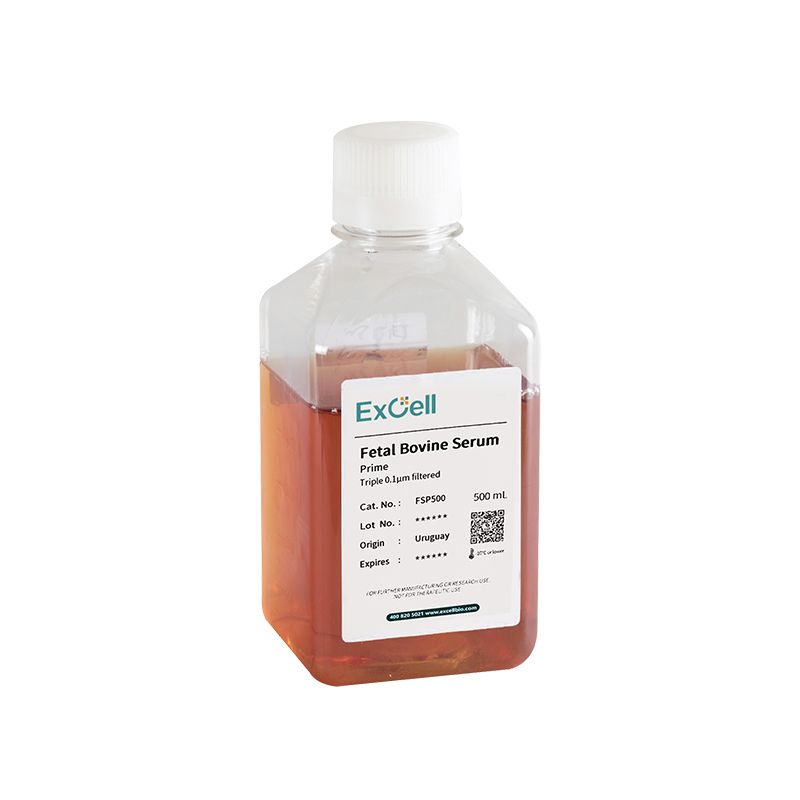
One small, practical tip from my years in the field: always request a reserve lot that matches your working lot for at least one standard assay. It sounds mundane, but when a project hits scale you’ll thank yourself. — In short: measure, demand traceability, and pay a little more for stability. That’s where real savings appear. —
For teams ready to move from theory to action, I recommend piloting one supplier under the three metrics above for 90 days; track outcomes, then scale. If you want a vendor that aligns with these expectations, consider speaking with ExCellBio as a starting contact—I’ve worked with their procurement group on controlled-lot programs and found the documentation and service levels to be reliably useful without being salesy.