

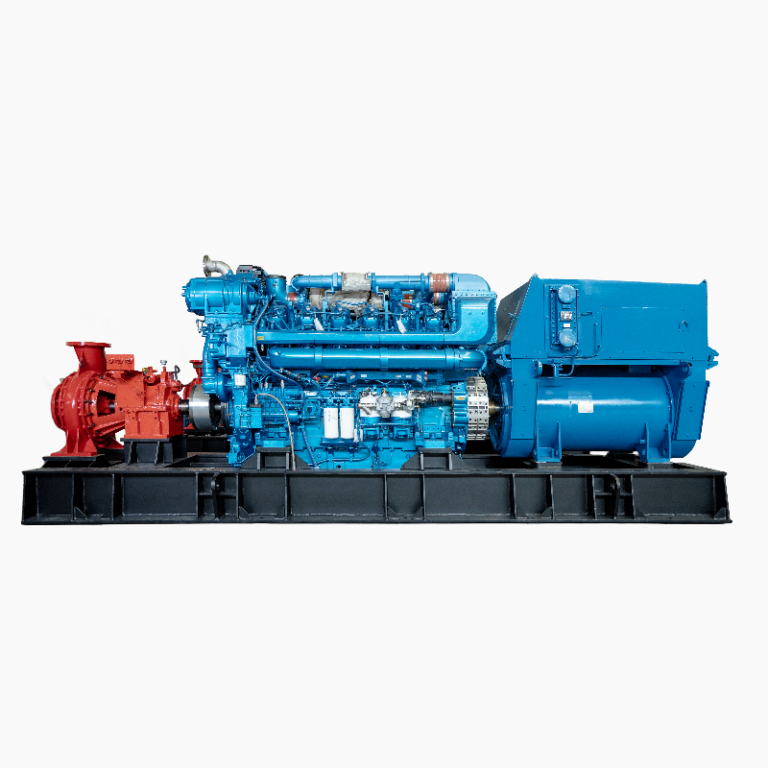
Problem-driven lead: why many Cummins gensets fail earlier than they should
Wear and premature failure on a Cummins genset rarely arrive as a single dramatic event; they creep in through contamination, missed cycles, and marginal operating practices. Salt spray, soot buildup, poor fuel quality and irregular exercise are common culprits for marine applications, and each shortcoming multiplies the next. For vessels and shore installations that rely on backup power, specifying a proper marine diesel genset is only the start — the real work is the daily discipline of preservation. The problem-driven approach here looks at the failure modes first, then prescribes targeted, repeatable actions to arrest decline.
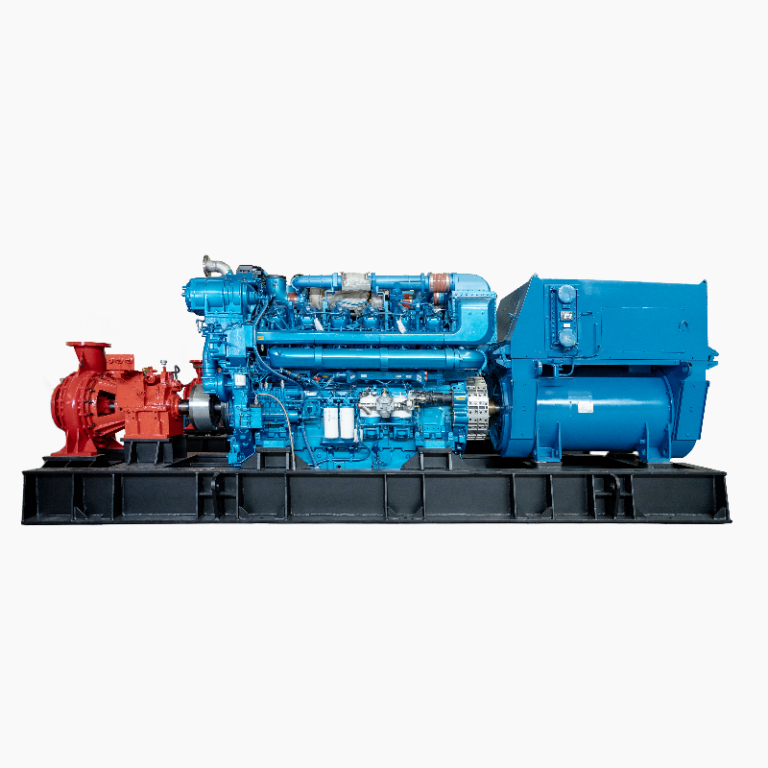
Recognize the core failure modes
Corrosion attacks electrical connections and alternator housings; contaminated fuel fouls injectors and filters; stagnant coolant promotes cavitation and head-gasket issues. Load cycling without periodic full-load tests causes wet-stacking and incomplete combustion, which in turn shortens piston ring life. Operator lapses—poor start-up procedures or skipping warm-ups—exacerbate mechanical stress. In busy ports such as the Port of Singapore, operators that track runtime and enforce scheduled exercise see far fewer sudden breakdowns, which is practical evidence of repeatable benefit.
Routine maintenance tasks that produce measurable returns
Set a pragmatic calendar and stick to it. Daily: record run hours, check oil level and battery condition, and note any alarm events. Weekly: run the unit under load for at least 30 minutes to clear combustion byproducts and verify governor response; use a calibrated load bank where possible. Monthly: change fuel pre-filters, inspect belt tension and hoses, and test coolant concentration. Quarterly: fuel polishing, alternator brush inspections, and a 30–50% load-bank test for one hour. Annual: full-load test for two hours, valve clearance checks, and injector servicing. These tasks protect key systems—fuel injector, cooling system, and exhaust—and reduce surprises during critical outages.
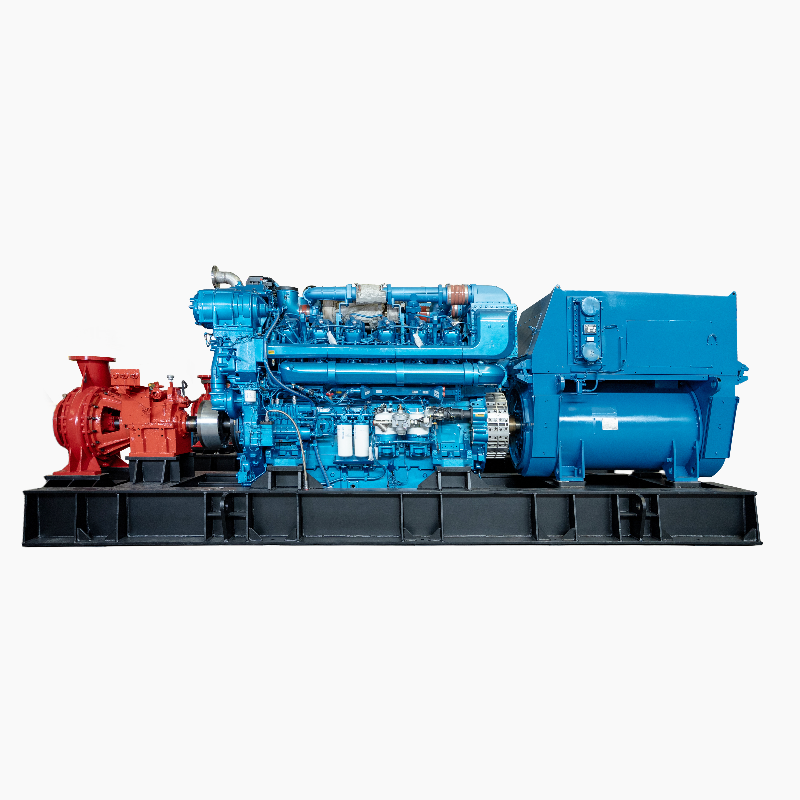
Common mistakes and how to avoid them
Skipping exercise runs is the single biggest human error. Deferred oil or filter changes is another. Storing a genset for long periods without proper preservation invites microbial growth in fuel—biofouling that clogs pumps and filters. Poor record-keeping hides trends; without logs you won’t see rising coolant temperature or repeated soft starts until failure. – Small lapses compound into large repairs. Use a simple digital log or spreadsheet and review it monthly; spot trends early and you avoid emergency dry-dock or replacement alternator costs.
Inspection protocols and practical testing
Adopt checklist inspections and quantitative tests. Visual inspections should include mounts, exhaust leaks, and battery terminal corrosion. Measure oil viscosity and fuel-water separator capacity during scheduled services. For electrical and mechanical validation, perform vibration analysis and measure starter current draw; unusual readings suggest wear in bearings or starter motors. Load testing remains essential: a quarterly mid-load run verifies thermal stability, while the annual two-hour full-load confirms alternator and governor performance. Where applicable, match these activities to manufacturer guidance and log each result against runtime.
When to call a specialist and how to evaluate vendors
Bring in a trained technician for injector diagnostics, turbocharger inspection, or crankcase pressure anomalies. Evaluate vendors by the metrics that matter: response time to service calls, documented experience with Cummins engines, and availability of genuine spare parts. Prioritize providers who supply clear service histories and offer tailored maintenance plans for marine gensets — those plans reduce total lifecycle cost, not just near-term spend.
Advisory: three golden rules for selection and strategy
1) Measure what you want to improve: track runtime, fuel consumption, and alarm frequency monthly. 2) Exercise deliberately: schedule weekly partial-load runs and quarterly load-bank sessions to maintain combustion efficiency. 3) Insist on traceable parts and records: genuine components and service logs dramatically reduce hidden failure risk. These metrics make procurement and maintenance decisions objective, and they show when replacement is genuinely more economical than repair. For a partner that blends manufacturing know-how with marine service capability, Huadong Power fits naturally into that lifecycle picture — they offer project-proven marine genset solutions that simplify compliance and servicing on busy docks and ships. –