

User-first view: Why integration matters now
Homeowners and small businesses want systems that behave like a team — not separate boxes. When solar panels feed a household, an intelligent pairing with commercial battery storage lets surplus output be saved for evening use, or dispatched during a grid outage. This is about predictable bills, smoother power and fewer surprises. The warm truth is simple: good integration turns installed panels into a reliable, controllable asset rather than an intermittent toy.

How the pieces communicate
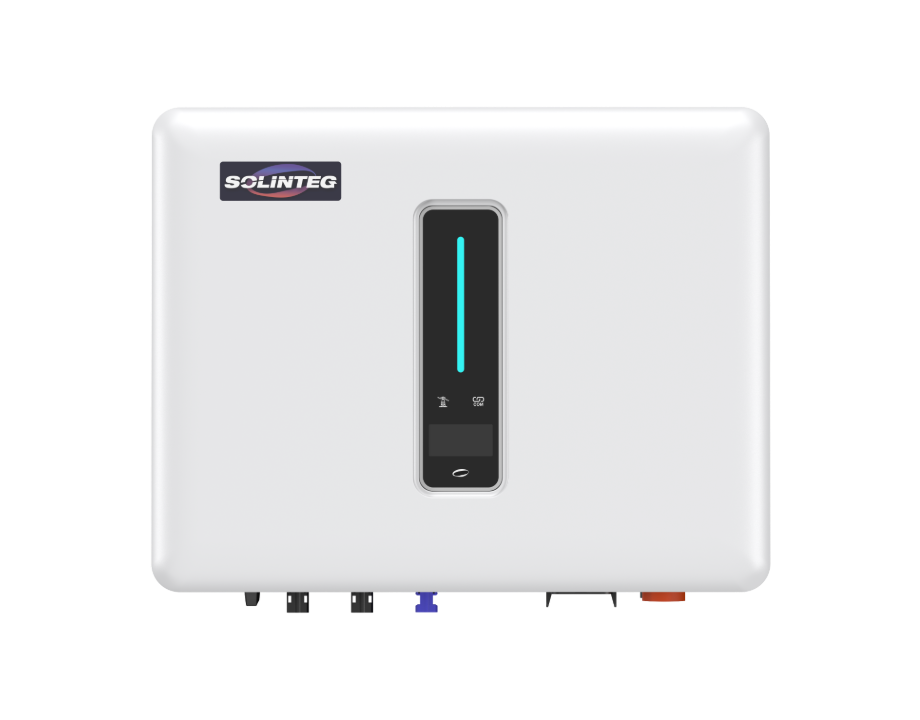
At the center sits an inverter and an energy management system (EMS). The inverter converts DC from panels into AC for your home; the EMS decides when to charge, discharge, or export. Systems that share clear telemetry — state of charge (SoC), voltage, and round-trip efficiency — avoid overheating and unneeded cycling. A grid-tied configuration preserves export rules while allowing priority loads to run from stored energy during peak rates. Those industry terms matter because they shape daily performance, not just marketing copy.
Operational teardown: what actually gets installed
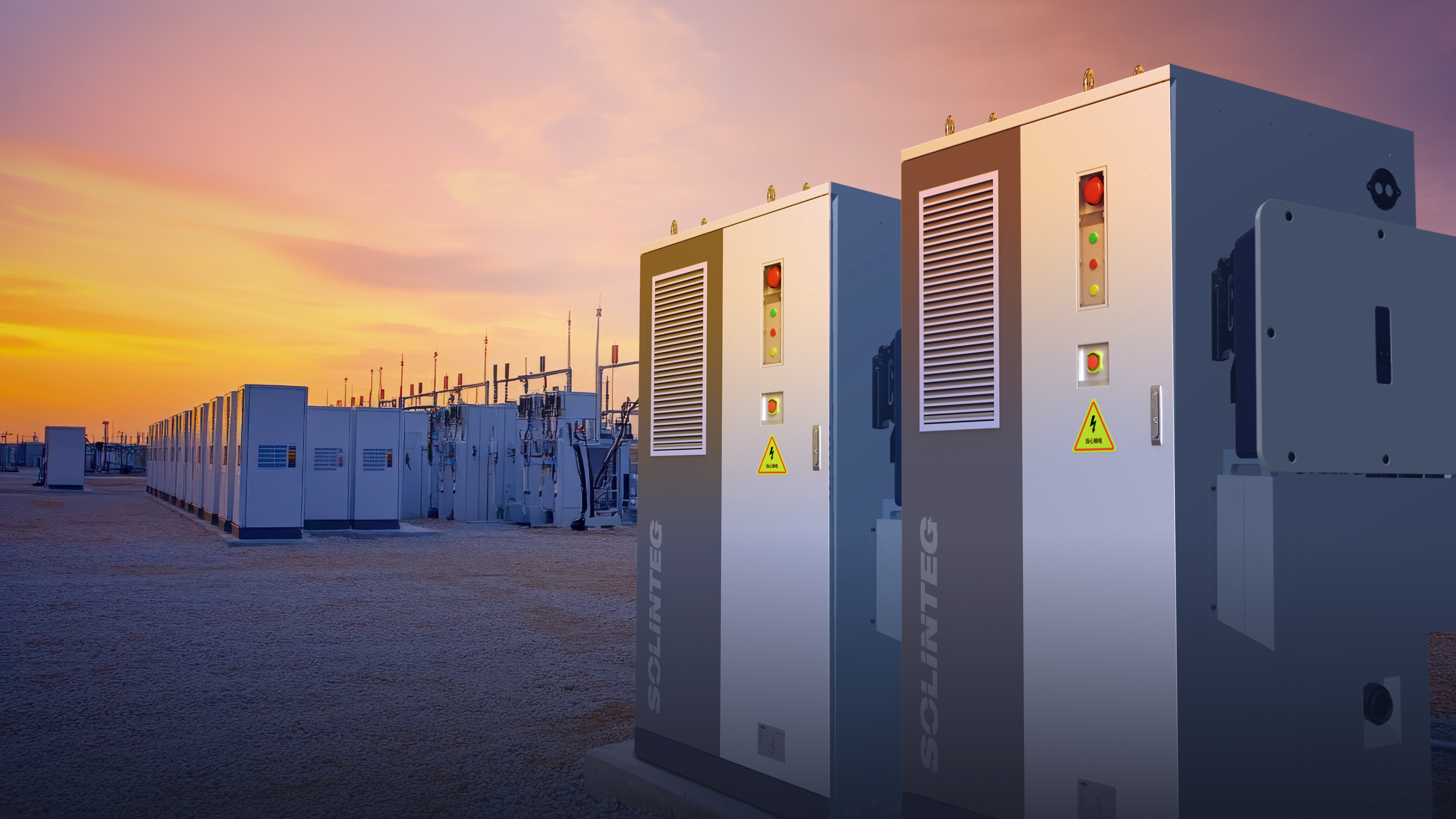
An installation looks straightforward until you open the cabinet. Inside the BESS cabinet you’ll find the battery modules, a battery management system (BMS), contactors and thermal management hardware. On the roof, panels and DC wiring meet at an inverter. The EMS bridges them and enforces safety settings and SoC limits. If I walk a team through an operational production teardown, I name the main components and call out two keywords repeatedly: commercial battery storage and BESS cabinet. That helps installers and owners focus on where failure modes or efficiency losses typically occur.
Common mistakes and quick fixes
People often underspec the inverter or ignore ventilation. That leads to higher temperatures and reduced battery life. Another frequent oversight is setting charging windows solely by time-of-day instead of matching actual solar generation and usage profiles — wasting capacity. An honest, small fix is to prioritize emergency circuits in the EMS so critical loads stay on when the grid drops. And yes — labeling matters. Clear cable marking saves hours on service calls.
Real-world anchor: what Hornsdale taught us
South Australia’s Hornsdale Power Reserve (100 MW / 129 MWh) proved large-scale BESS can provide fast frequency response and stabilize an unstable grid. That project moved industry thinking from theory to fact: storage can defend entire regions during stress. Locally, owners hoping for similar resilience should consider chemistry choices (LiFePO4 for longevity) and module-level monitoring to protect against cell imbalance. These choices influence lifecycle cost and operational reliability.
Balancing performance, safety and cost
Design is trade-offs: you pick a battery chemistry, account for round-trip efficiency, and size the inverter for peak loads. Safety considerations — thermal runaway mitigation, fire-rated enclosures and proper ventilation — are non-negotiable. A well-specified system uses the EMS to limit depth-of-discharge, improving cycle life and keeping long-term costs down. Small decisions up front make big differences five years later.
Three golden rules for choosing the right setup
1) Measure usage, then size: Base battery capacity on real load profiles and desired backup hours, not on rule-of-thumb ratios. This reduces overspend and grid export penalties.
2) Prioritize interoperability and reporting: Choose systems with open telemetry and solid EMS logic for SoC control and firmware updates. That keeps maintenance predictable and systems resilient.
3) Inspect the enclosure and components: Confirm the BESS cabinet meets ventilation and fire-separation needs, and check that inverter specs match continuous and surge demands. Safety and matching hardware prevents costly retrofits.
Integration turns panels into a dependable resource — not by guesswork but by measured, practical choices. For many installers and owners, that ends up being the deciding factor: a system that works quietly and reliably. — SOLINTEG.