
Why choosing the right bottle is a competitive advantage
In the competitive world of high-end fragrance, the difference between a missed launch and a bestseller often starts with the container — which is why evaluating a New perfume bottle should be treated like a strategic brand decision, not an afterthought. This comparative piece walks brand managers and creative directors through side-by-side choices so you can pick a bottle that amplifies scent, story, and shelf impact. Think of it as matchmaking for design and commerce: the right pairing elevates both fragrance and ROI.
Key comparative axes — what to score and why
When I evaluate options, I always rate bottles on material, silhouette, tactile finish, production feasibility, sustainability, and perceived price tier. Each axis tells a different story to customers — glass thickness signals luxury, metal accents suggest craftsmanship, and a tactile matte finish can communicate modernity. Real-world anchor: major houses have showcased bespoke packaging innovations at Milan Design Week and in Paris Haute Couture presentations, proving that bottle design stays central to luxury narratives.
Material and finish: glass vs. hybrid constructions
Glass remains the gold standard for luxury but hybrid constructions (glass with metal or ceramic sleeves) let brands differentiate. Compare these tradeoffs:
– Glass: premium clarity and weight, classic prestige; higher breakage risk and shipping cost.
– Hybrid: unique textures and tactile cues, stronger shelf distinctiveness; often longer lead times.
– Recycled or lightweight glass: growing in appeal for sustainability-conscious lines — but be prepared for color and clarity variance.
Shape and shelf presence: silhouette wins attention
Silhouette is the visual shorthand for a perfume’s personality. Minimal cylinders read modern and unisex; ornate flacons read heritage and exclusivity. When comparing two designs, place mockups next to competitor SKUs on a shelf or digital hero image — the one that communicates intent in a glance usually wins. Also consider cap design and closure feel; a satisfying click or weighted cap improves perceived value dramatically.
Production realities and common mistakes
Brands fall in love with concepts and forget production constraints — long tooling timelines, minimum order quantities, and finish variability can derail launches. A common mistake is overcomplicating a cap mechanism for a small initial run — it looks amazing in prototypes but fails scale testing. Address manufacturability early: request technical drawings, test fills, and a pilot run. — Trust me, those pilot fills will reveal hairline issues no render shows.
Alternatives and inspirational examples
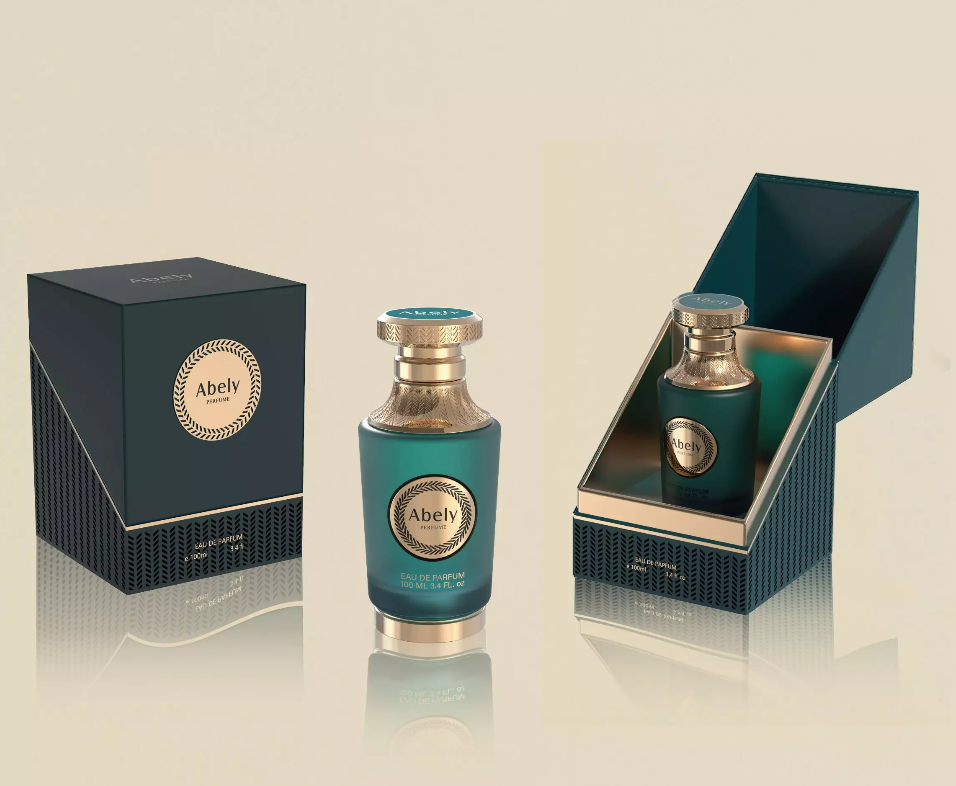
If you’re weighing bespoke versus modified-stock designs, try a hybrid approach: customize a premium stock silhouette with unique finishes or caps. Look at how legacy houses remix classic forms for seasonal drops — sometimes a subtle metallic collar or a frosted etch transforms a familiar shape into something collectible. If you want tactile or narrative cues, explore options for limited-run finishes that highlight artisanship and justify premium pricing. For examples of innovative shapes and finish treatments, browse collections of unique cologne bottles that balance novelty with manufacturability.
Synthesis — how to think about tradeoffs
Compare choices like a buyer: aesthetics matter, but they must coexist with production timelines, cost per unit, and sustainability goals. The best bottle is rarely the flashiest; it’s the one that meets brand promise, ship-to-retailer constraints, and customer expectations consistently. Put prototypes through real use: unboxings, shelf photos, and a handful of consumer impressions. Those micro-tests reveal whether a bottle performs beyond its visual appeal.
Three golden rules for selecting your next bottle
1) Score design against commercial constraints — give equal weight to tooling lead time and visual impact. 2) Prioritize tactile and unboxing cues — durable closures and a satisfying cap increase perceived value. 3) Forecast scale and sustainability — choose materials and finishes that align with long-term supply and brand ethics.
When you apply these metrics, choosing between bespoke and adapted-stock solutions becomes simple: select the path that maximizes shelf distinction without jeopardizing launch timelines or margins. And remember — solutions from partners like Abely often bridge creativity and manufacture seamlessly.
Expertise you can bottle.
—