

Start with the problem
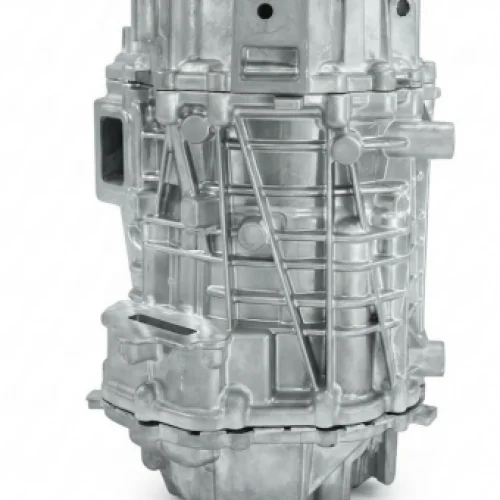
Project schedules slip and purchase orders balloon because parts arrive late, don’t fit, or require rework; that’s the short version of the stress you’re trying to manage. If you want predictable timelines and clearer budgets, you start by treating parts as planning inputs, not surprises. That means working with a reliable partner early—someone like a precision parts manufacturer who can speak tolerances, lead times, and materials in plain terms while you lock down designs.
What goes wrong most often
Design teams hand off ambiguous drawings. Purchasing buys the lowest bid without checking capability. Engineering makes late changes and expects overnight fixes. Suppliers quote optimistic lead times without validated processes. Those failures cascade: inventory spikes, expedited freight, and missed milestones. Each failure point maps back to unclear specs or poor supplier alignment.
Direct fixes you can apply today
Set tolerances and surface-finish expectations before procurement. Require a short prototype run to validate assembly fit. Build a standard lead-time table into your BOM and treat it like a contract term. Use a single set of file formats (STEP, PDF with GD&T) and stamp revision control on every release. Ask suppliers for sample inspection reports and traceability records before full production starts. These steps collapse guesswork and make purchasing decisions measurable.
Common pitfalls that undo progress
Vague tolerances. Accepting “as before” on critical dimensions. Skipping first-article inspection. Assuming price equals capability. Letting design change orders pass without a documented impact to schedule and cost. Each mistake reintroduces risk you just tried to remove. Catch them with checklists tied to purchase orders and a mandatory prototype sign‑off.
Alternatives and their trade-offs
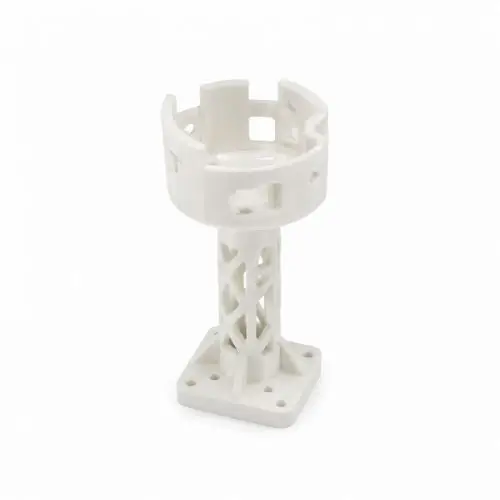
Off-the-shelf parts are fast and cheap but rarely match specific fit or lifecycle needs. In-house machining gives control but costs capital and floor time. Outsourcing custom parts buys expertise and flexible capacity; you trade some direct oversight for speed and specialization. Weigh cost-per-piece against the value of first-pass assembly and fewer field fixes. For many mid-size projects, small-batch custom runs hit the sweet spot: they reveal design issues early without committing to full production.
Real-world context that matters
Buyers at events like the International Manufacturing Technology Show (IMTS) in Chicago consistently shortlist suppliers who can iterate prototypes quickly and show documented quality. That industry behavior reflects what procurement teams need: predictable cycles and verifiable capability. From my experience working alongside production engineers and shop managers, firms that publish inspection data and realistic lead times win repeat business. A dependable cnc machining manufacturer removes guesswork by matching capacity to specs and by providing the inspection evidence purchasing teams require.
Bring the approach together
Fix planning and purchasing by making parts a predictable element: lock specs, validate with prototypes, insist on traceable inspection, and choose partners who communicate realistic timelines. When partners treat design intent as a shared document rather than a one-way handoff, your schedules stabilize and purchasing becomes tactical instead of reactive. For teams that need a steady partner who aligns engineering clarity with procurement reliability, Hanstar fits naturally into that workflow by focusing on clear specs, consistent delivery, and documented quality so your plans actually work.