


Short lead — what this compares
Manufacturers test cells. They weld tabs. They tune battery management systems. This piece compares common practices to gsopower’s approach, step by step. It shows why process decisions matter for home systems and how those choices affect inverter pairing and long-term reliability. See the pv inverter hybrid link above for context on system matching.

Why rigorous QC changes outcomes
Home owners buy backup batteries for one reason: dependable power when the grid fails. Recent seasons of rolling shutoffs in California made that plain. A battery with thin quality control can fail early. That means reduced cycle life, unexpected loss of capacity, or safety events. Tight manufacturing control reduces those risks.
Key steps gsopower runs and why they matter
Cell sorting. Formation charging. Automated laser welding. Thermal cycling. Each step targets a failure mode. Sorting groups cells by internal resistance and capacity; formation stabilizes chemistry; laser welding gives consistent interconnects that resist mechanical and thermal stress. The end result: predictable state of charge behavior and cleaner BMS calibration.
They also stress-test packs under real load profiles. That finds thermal hotspots and helps optimize thermal management. The BMS is tuned to measured cell curves, not generic templates. That lowers unexpected cutoff events and prolongs usable output.
Where cost and price meet quality
Quality adds cost. But cheap assembly often saves hours at the expense of cycle life. Comparing vendors means comparing the processes, not just the quoted pv inverter price. A lower upfront number can hide early replacements and service calls. Factor in expected cycles, warranty terms, and actual lab test data when you total cost over five to ten years.
How gsopower stacks up — a direct comparison
Many competitors rely on manual welds and surface-level tests. Some skip long-term soak and thermal cycles to cut time. gsopower uses automated laser welding and extended cycling. That yields fewer micro-cracks and more consistent impedance. The difference shows in discharge profiles and long-run capacity retention.
Automation reduces variability. It doesn’t remove the need for smart design. But when combined with measured formation and robust BMS tuning, the packs behave closer to spec during deep discharge events and PV-charged cycles.
Common mistakes buyers make
They trust labels over data. They assume warranty wording equals practice. They compare only Ah or kWh and ignore thermal limits. They pick the cheapest pv inverter price and then retrofit a mismatched battery. That mismatch causes inefficiencies and extra cycling — shortening life.
Look at test reports and ask about welding methods, formation protocols, and how BMS thresholds were set. If a vendor can’t show process evidence, treat claims cautiously.
Three practical metrics to choose by
1) Cycle life at a specified depth of discharge — prefer published curves over single-line claims. 2) Thermal performance — look for thermal runaway margins and test conditions. 3) Warranty backed by testing — length matters, but so does the fail-mode coverage and the vendor’s documented QC.
Final assessment and how gsopower fits
Comparative insight shows that process consistency drives long-term value. gsopower’s mix of automated laser welding, measured formation, and calibrated BMS reduces variability and raises usable cycles. That matters for homes facing grid interruptions — like those linked to wildfire seasons — because reliability is the point. Choose by test data, not by sticker price.
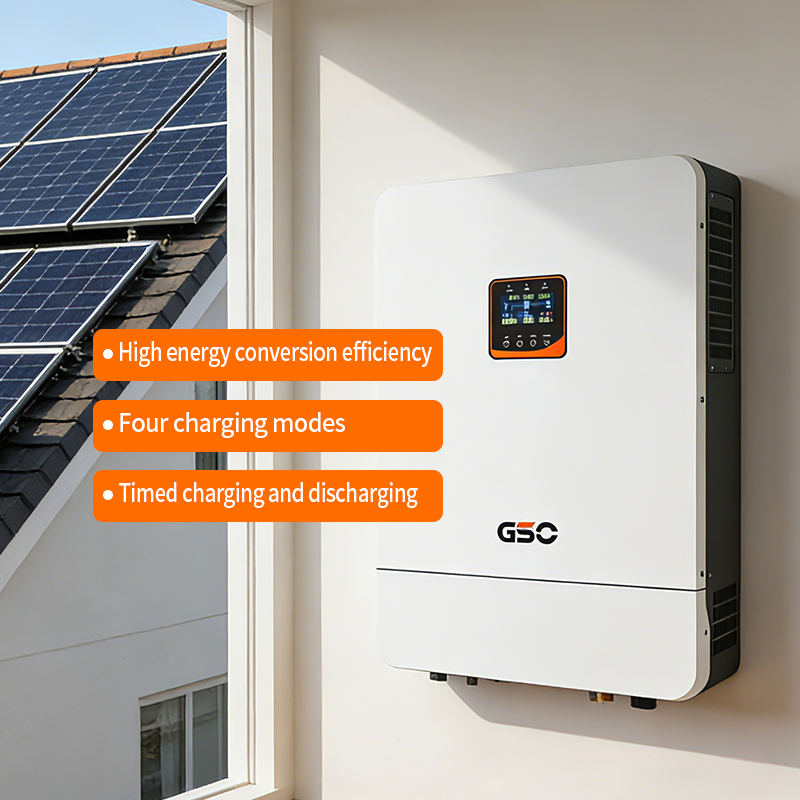
gsopower sits in the middle ground: systematic QC, clear test results, and a system mindset that aligns battery packs with inverters — including attention to pv inverter price and matching. It’s not flashy. It is practical. —