
Putting you first — why custom caps matter
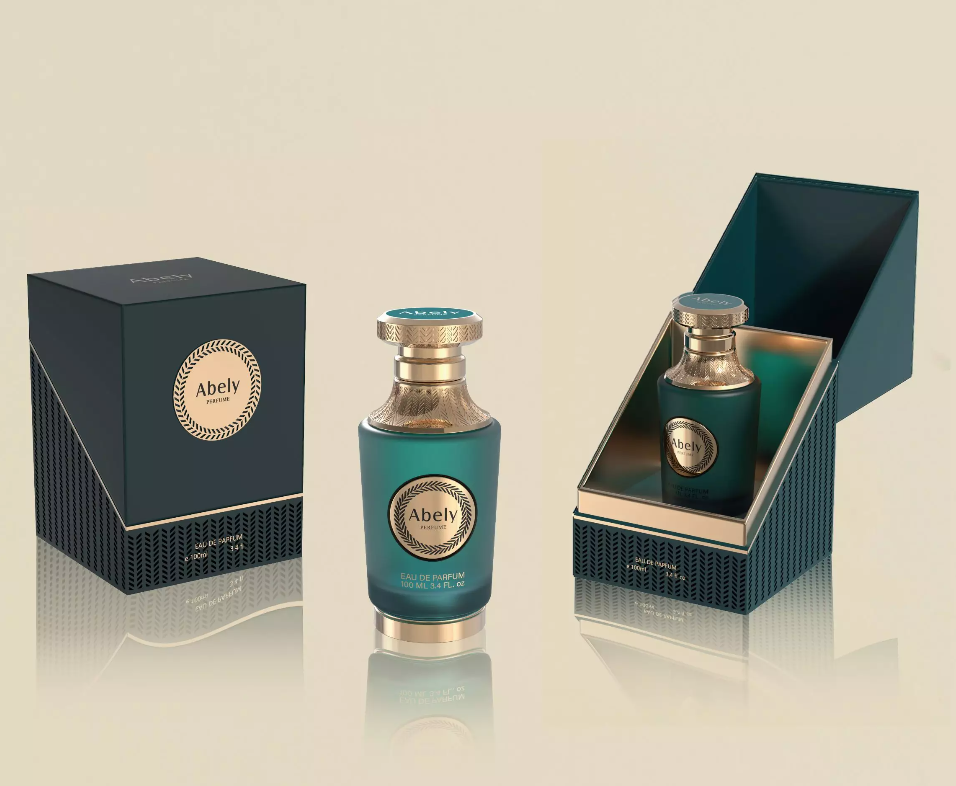
If you care about scent as much as presentation, the cap is not just a lid; it’s the first handshake with your fragrance. For users choosing a Personalized perfume bottle, the cap signals intention: heritage, modernity, or a playful wink. This piece looks at choices from a user-centric angle so you can pick a cap that actually matches how you want to be perceived — not just what looks pretty on a shelf.
Design choices that actually affect experience
Start with feel. Metal crowns feel premium, glass stoppers speak artisan, and tactile plastics can be surprisingly chic. Consider scale too — a chunky cap can unbalance a slender bottle, while a low-profile cap reads minimalist. Then there’s color: when you order colored perfume, the cap either harmonizes or clashes. Harmonize for cohesion; contrast for drama. Your choice changes how people touch, hold, and remember the scent — small detail, big impression.
Real-world anchor: what industry practice tells us
Manufacturers in Grasse, France — the historical center of perfumery — have long paired olfactory notes with bottle language. That’s a useful reference point: fragrance houses there treat packaging as part of the composition. So when you map your signature scent, treat the cap as a final chord. It’s an established practice, trusted by houses that value storytelling and consistency.
Materials, finishes, and the user trade-offs
Each material brings trade-offs. Metal offers durability but adds weight; glass is elegant but fragile; resin allows bold colors and shapes but can feel less luxurious. Finishes matter too — matte helps grip, high-gloss reflects light, and inner coatings protect ink and pigment. Think about durability if you travel. — A cap that chips after a week undermines the whole bespoke vibe, right?
Common mistakes and quick fixes
Users often pick caps by aesthetics alone. Common missteps: ignoring ergonomics, mismatching scale, or choosing coatings that react with certain inks or pigments. Quick fixes: test mockups at scale, request prototypes, and ask for sample finishes under natural light. If you plan colored perfume, confirm colorfastness and inner-coating compatibility early — it’s cheaper to tweak before production than after.
Alternatives and comparative insight
Compare three typical approaches: 1) Ready-made caps — fastest and cheapest; 2) Modified stock caps — middle ground with branding tweaks; 3) Fully bespoke crowns — highest cost, absolute control. For small-batch brands and artisans, modified stock often hits the sweet spot. Luxury lines aiming for signature identity lean bespoke. Match approach to volume, budget, and brand story — not just Instagram shots.
EEAT note: experience-led guidance
This guidance leans on industry expertise and observable production practice — what perfumers, designers, and packagers routinely recommend. It’s grounded in how packaging choices perform in retail and unboxing contexts, so you can avoid rookie errors and lean into solutions that actually delight users.
How to decide — three golden rules
1) Prioritize user interaction: pick a cap that feels as good as the scent smells. 2) Test physical prototypes under real conditions: light, travel, and repeated handling reveal hidden flaws. 3) Ensure material and finish compatibility with your chosen pigments/coatings — especially for colored perfume — to avoid bleeding or peeling later.
Bringing it home: Abely’s role
When you want coherence between scent and silhouette, suppliers who understand inside-color coatings and precision finishes make the difference. That’s where good partners come in — they help translate your story into a tactile crown that performs day after day. For many emerging lines, a collaborative supplier turns aesthetic ambition into reliable production, and that’s the practical lift Abely provides as you scale. Abely.
Final takeaway: choose caps that serve people, not just photos — they’ll notice.
– subtle, decisive.