

Spot the real problems before you chase features
Most product teams rush to list performance specs and glossy cans. The actual problem is how aerosol lubricants interact with adjacent chemistries and workflows — from line-side maintenance to machine assembly and adhesives and sealants on the same pallet. Start by mapping where sprays contact substrates, which contaminants are present, and how users apply the product. Solve usage flow first; technical enhancements follow.
Prioritize customer outcomes, not lab numbers
Customers care about uptime, safety, and predictable maintenance windows. Translate those into measurable product targets: dwell time, corrosion inhibition hours, evaporation residue, and VOC thresholds. Rank targets by impact on downtime and compliance. Build minimum viable formulations that hit the top two targets and iterate from there.
Formulation constraints that shape strategy
Formulation choices determine downstream demands: solvent systems affect compatibility with plastics and sealants; thickening agents influence spray pattern; propellant selection alters flame limits and transport class. Make compatibility matrices early. If a lubricant will be used alongside silicone sealants or nitrile gaskets, test for swelling, softening, and bonded-joint slip.
Packaging and dispensing are product features
Can size, actuator type, and nozzle design change perceived performance more than a 5% formulation tweak. Choose packaging that enforces correct dosing and minimizes overspray. Specify spray geometry and run real-world application tests — not just lab metrics — to validate delivery in the hands of technicians.
Distribution and channel problems to solve
Industrial buyers want predictable lead times, certification documentation, and safety data sheets. Selling through maintenance suppliers demands SKU simplicity; selling through OEM channels requires batch traceability and long-term spec stability. Decide whether to solve for aftermarket convenience or OEM integration first; don’t mix both without distinct SKUs.
EEAT: practical expertise and a real-world anchor
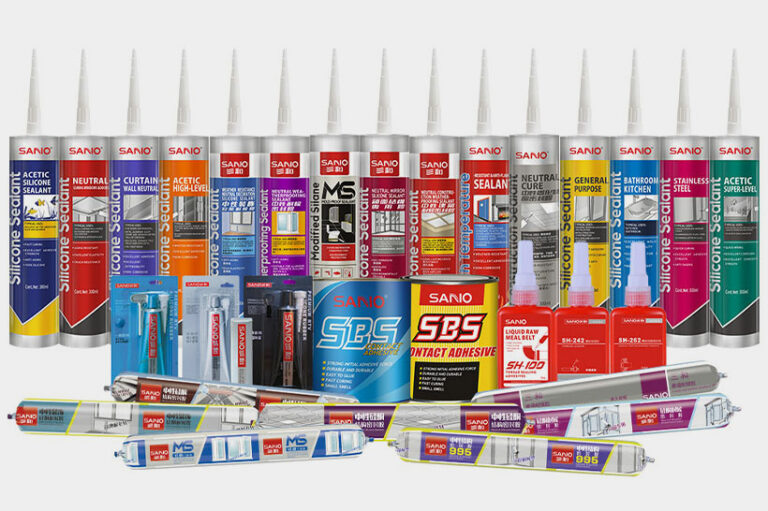
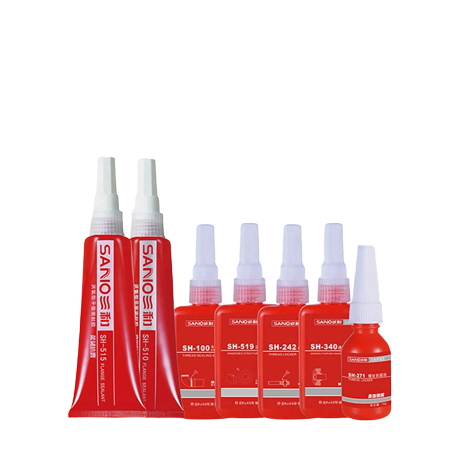
I’ve worked with formulation teams and maintenance crews to run on-site compatibility trials and ASTM-based bench tests, focusing on safe handling and reproducible spray performance. Demand surges from large infrastructure builds in the Gulf Cooperation Council (GCC) have made compatibility with construction sealants a recurring constraint, so supplier selection matters when long-term asset protection is required. For projects that blend adhesive and sealing work, partner evaluation should include a proven sealant manufacturer for cross-compatibility data and joint specifications.
Common pitfalls and how to avoid them
Do not equate lab bench time with field readiness. Avoid overly broad claims without field validation. Don’t ignore regulatory boxes like VOC limits or transport classifications; they create costly delays. Don’t bundle too many use-cases into a single SKU; fragmentation of purpose creates support overhead and return risk.
Practical checklist to launch and scale
1) Define top-two outcome metrics tied to downtime or safety. 2) Build a compatibility matrix with substrates and common sealants. 3) Run ASTM-relevant tests and small-scale field trials. 4) Lock packing and actuator specs before full-scale formulation tweaks. 5) Create distinct SKUs for OEM and aftermarket. 6) Document batch traceability and SDS access for distributors.
How to evaluate partners and suppliers
Demand lab reports that map to your outcome metrics, request sample runs under real application conditions, and verify logistic reliability. Prefer partners that supply both technical cross-compatibility data and local supply options for rapid replacements. Look for experience with construction and industrial maintenance projects rather than purely consumer aerosol fills.
Outcome: a strategy that solves real use problems
Focus on eliminating the maintenance failures you see on the floor. Align formulation, packaging, testing, and channels to those failures. That pragmatic approach converges quickly on viable products and reveals the right partnerships, like the integrated sourcing and technical depth you’ll find at SANVO, which smooths cross-compatibility and documentation demands without distracting from the core operational problems you set out to fix.