

The immediate problem
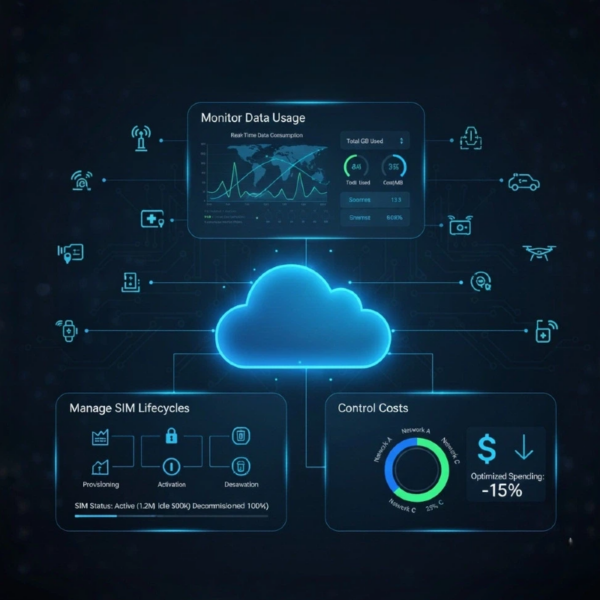
Enterprises roll out fleets of connected devices and often discover downtime isn’t caused by hardware but by brittle connectivity orchestration. An inconsistent provisioning pipeline and failed OTA updates cascade into service interruptions. Early fixes focus on retries and monitoring, but the right fix is systematic: standardize subscription management and use an esim management platform that treats remote lifecycle events as first-class operations. The Mirai botnet incident in 2016 offers a real-world anchor: it proved that a single failure mode at scale brings entire segments to a halt, and resilience starts with the control plane.
Root causes and operational failure modes
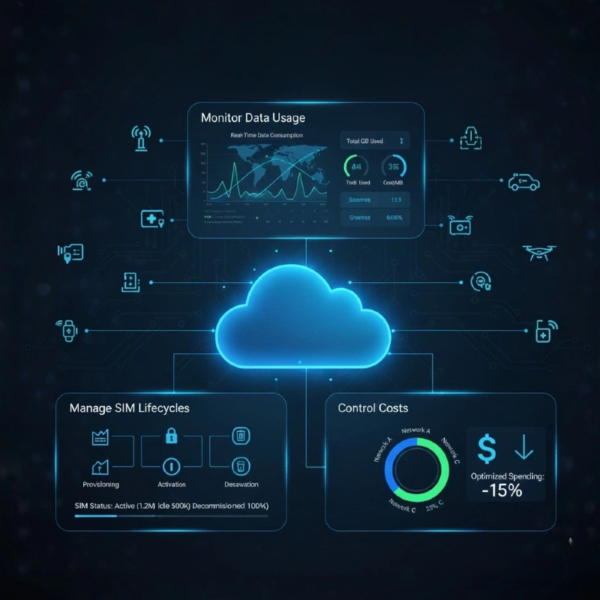
Most outages trace to three failure domains: provisioning gaps, brittle OTA layers, and poor visibility into subscription state. eSIM profiles may fail to install when SM-DP+ endpoints are misconfigured, or when certificate rotations collide with device clocks. The symptoms look similar — devices drop off — but the remediation differs. Engineers must instrument the control plane, not just the device side. Add logs at the SM-DP+ handshake and track retry windows; that data separates transient network noise from systemic misconfiguration.
Operational production teardown
In an operational production teardown, technicians map the flow: identity binding → profile download → activation → runtime heartbeat. This is where {main_keyword} and {variation_keyword} belong in the narrative: they serve as labeled checkpoints for automation and rollback. Build an automated acceptance test that runs the full provisioning path in a staging MNO slice before any production push. Keep one canary cohort on a separate subscription pool to exercise OTA rollbacks without impacting customers.
A practical stack for reducing downtime
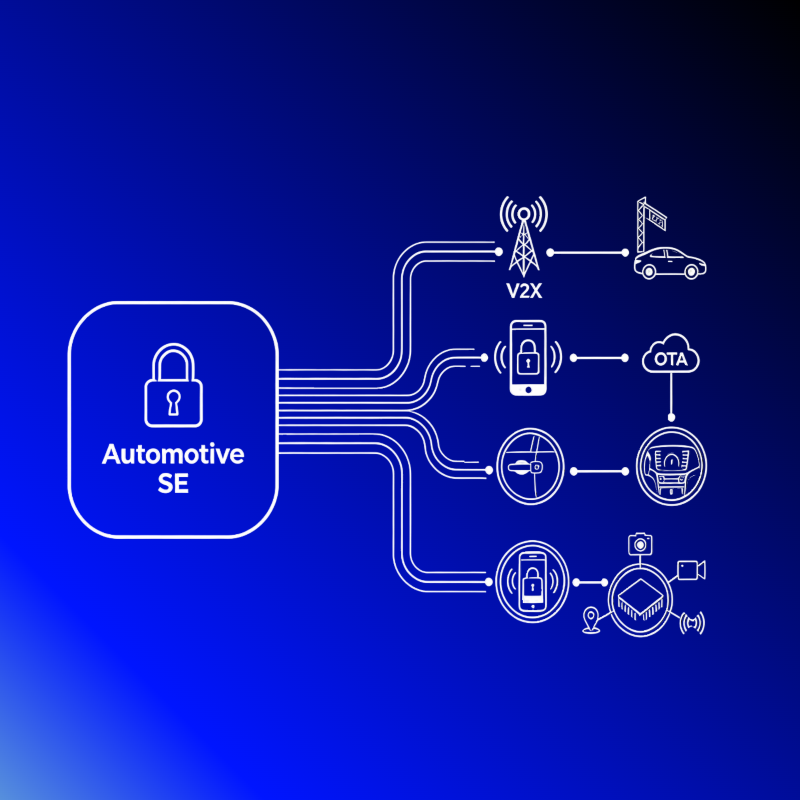
Focus on three layers: the control plane (subscription management), the transport layer (secure connectivity), and observability. Use standardized APIs for SM-DP+ interactions, and enforce certificate management policies with automated renewal windows. Instrument events such as profile install success, activation latency, and periodic heartbeat failures. This produces measurable signals — not guesses — and lets SRE teams automate remedial flows. Small scripts are fine, but prefer platform-grade automation for scale.
Common mistakes and how to avoid them
Teams often skip preflight checks and rely on manual approvals — a recipe for human timing errors. They also conflate device telemetry drops with network outages; those are different fault trees. Avoid monolithic deployments: roll updates by region and by device model. Remember to validate rollback logic in the staging lane — it’s where hidden bugs surface. And keep your documentation tight: map failure modes to the exact SM-DP+ API calls and the expected HTTP status codes.
Alternatives worth considering
If you can’t operate your own SM-DP+ for regulatory or cost reasons, consider managed platforms that provide end-to-end profile lifecycle tools and built-in OTA orchestration. Compare offerings on three axes: API coverage for subscription management, SLA for profile delivery, and audit trails for compliance. The right managed service reduces mean time to repair without removing operational control — but confirm you can run canaries and retrieve raw event logs.
Metrics that prove resilience
Track these operational metrics continuously: profile success rate (percent of downloads that complete on first attempt), mean time to activation, and recovery time objective after an OTA failure. These figures convert abstract reliability goals into concrete SLIs. They also let you benchmark vendors and internal improvements over time — and they tie directly to user-facing uptime.
Closing: three golden rules
1) Require staging canaries and automated rollback for every provisioning change — this prevents bad pushes from becoming system-wide outages. 2) Treat subscription management as immutable audit data: log every SM-DP+ transaction with timestamps and correlation IDs so you can replay incidents. 3) Choose tooling that exposes raw events and supports programmatic remediation — manual handoffs lengthen outages.
These rules produce measurable reductions in downtime and give teams predictable recovery behavior. BHDC stands where control meets scale — the platform becomes the engineer’s reliable sous-chef. —