

Start with the user: what fleet managers actually care about
Fleet managers want predictable costs, less downtime, and vehicles that just work for the routes they run. Swapping gas or LPG carts for electric street-legal units changes those variables fast. Early on, operators often pilot a few sightseeing vehicles on short tourist loops to validate range and daily charge cycles, and that small test usually tells the story: lower fuel spend, fewer oil changes, and simpler brake upkeep.
Where the savings come from — practical breakdown
Electric carts reduce fuel spend and cut routine service needs. Fewer moving parts means fewer wear items: no carburetor adjustments, no ignition replacements, and often longer maintenance intervals for drivetrains. Add in predictable electricity pricing and centralized charging, and you get steadier operating expenses. Battery management system monitoring also surfaces issues before they cause breakdowns, so scheduled maintenance tends to be less reactive and more planned.
Real-world proof: China’s city routes and the tourist fleet example
Cities like Shanghai and several other coastal tourism hubs have been shifting to electric sightseeing fleets for inner-city loops and waterfront circuits. That real-world shift — visible during busy seasons and events — reduced idling emissions and lowered per-trip operating costs for operators who logged high daily hours. Those programs emphasize route optimization, payload capacity matching, and charging windows aligned with low-tariff electricity periods.
Design choices that matter for operators
Not all electric street-legal carts are built the same. Focus on payload capacity relative to your peak passenger loads, realistic range under full payload, and a charging profile that fits your depot hours. A cart with higher curb weight might feel sturdier but could cost efficiency; a lighter chassis improves energy use. Also evaluate DC fast charging compatibility versus overnight slow charging — both have trade-offs in infrastructure cost and turnaround time.
Common mistakes to avoid — learned the hard way
Many teams jump straight to spec sheets and skip route audits — that’s the most common pitfall. Operators sometimes overestimate daily range, then scramble for mid-route top-ups. Another oversight is underestimating service training: technicians need basics on high-voltage safety and battery diagnostics. And don’t ignore climate effects — hot summers or cold winters change battery performance and should factor into fleet sizing. — Small upfront planning avoids big downtime later.
Alternatives and when they’re still sensible
LPG and hybrid carts still have niches: remote routes without reliable grid access or fleets with irregular duty cycles may find hybrids help bridge gaps. But for dense urban loops, parks, and resort shuttles, high-utilization routes favor electric carts for lower per-hour operating costs and simplified maintenance. Consider modular battery packs if quick swap capacity is needed, or a mixed fleet approach while charging infrastructure scales up.
How to measure success — metrics that actually matter
Move beyond headline savings and track these three things closely: total cost of ownership per vehicle-hour, mean time between failures for drivetrain and electrical systems, and energy cost per kilometer under peak payload. These metrics show whether the electric transition is delivering consistent value and where to tweak charging patterns, driver training, or route assignments.
Golden rules for selecting the right electric street-legal carts
1) Match range and payload to real route data, not optimistic specs — design the fleet around duty cycles.
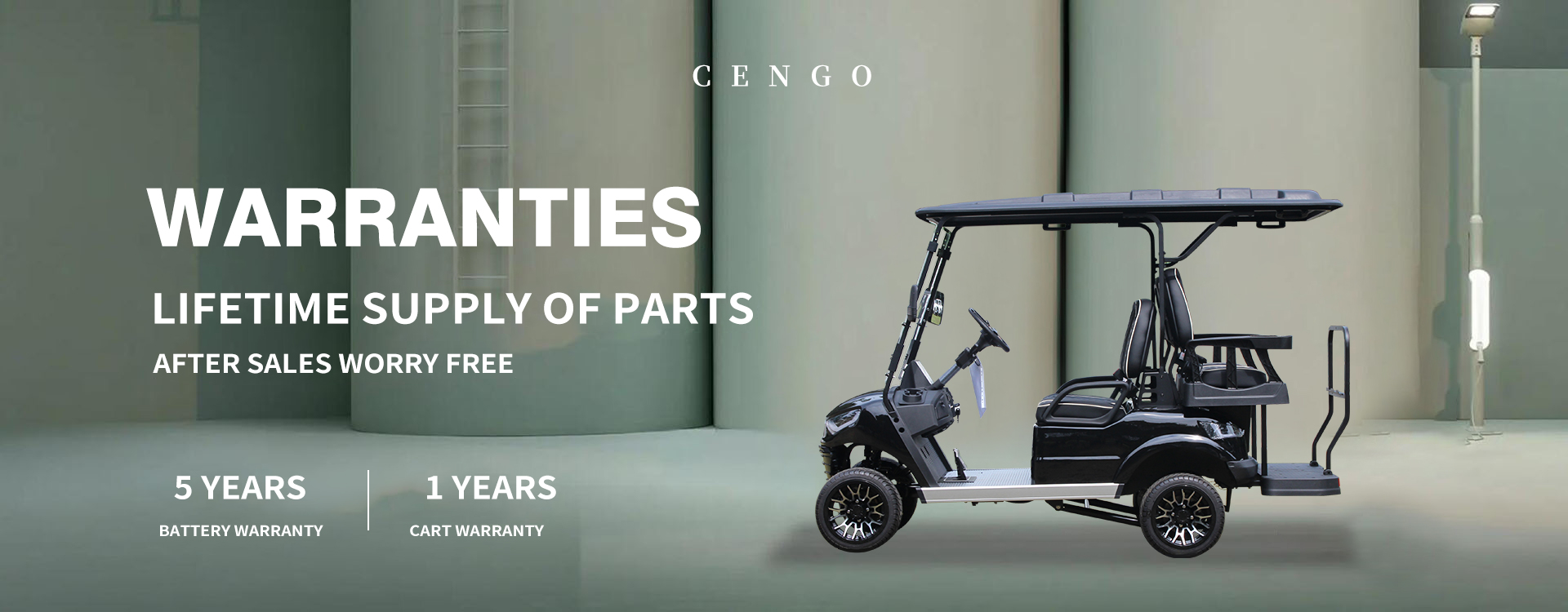
2) Prioritize serviceability and supplier support: spare parts availability and technician training cut downtime.
3) Plan charging as infrastructure, not an afterthought: align charge windows with low-tariff hours and include contingency for unexpected demand.
When you tie those rules to a tested vendor and a proven model — like those used by municipal and tourism operators with china sightseeing vehicle deployments — the numbers start adding up. Fleet budgets relax. Maintenance teams breathe easier. And guests notice the smooth, quiet rides.
Final note — the value here lands in practical reduction of day-to-day pain and cost, and that’s exactly where CENGO fits as a hands-on partner for operators looking to transition their fleets. —