

Start by naming the real problem
If you want shade and reliable rooftop power without surprises, say so up front. Tell the installer whether you prioritise afternoon shade for the alfresco, steady daytime export, or backup power for a few critical circuits — each aim changes the spec for a solar pergola. Clear priorities stop scope creep and keep quotes honest.
Where the bigger questions come from
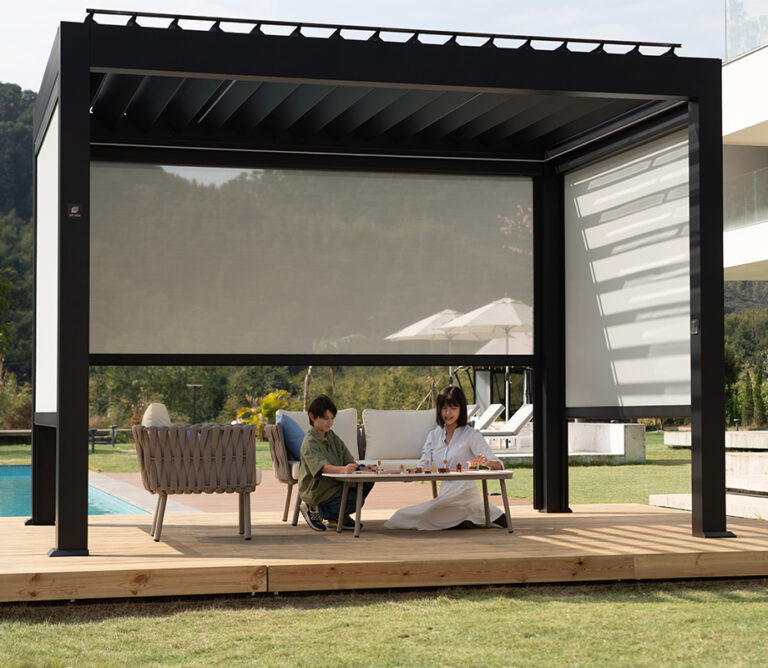
Australia’s household solar uptake runs into the millions, which has pushed installers to adapt simple canopies into proper power systems; that shift is what gave rise to the modern solar pergola model. That nationwide scale means common faults repeat: under-quoted structural work, mismatched inverters, and unrealistic energy forecasts. Learn from the pattern — most problems are repeatable and avoidable.
Ask for expected energy yield, not just panel watts
Don’t accept panel wattage alone. Ask for expected kWh per year for your site, with assumptions on tilt, azimuth and shading. Request an hourly production estimate if you need peak-time power. If the installer can’t produce a site-specific yield chart, they’re guessing. Guessing equals dodgy returns.
Force the structural questions
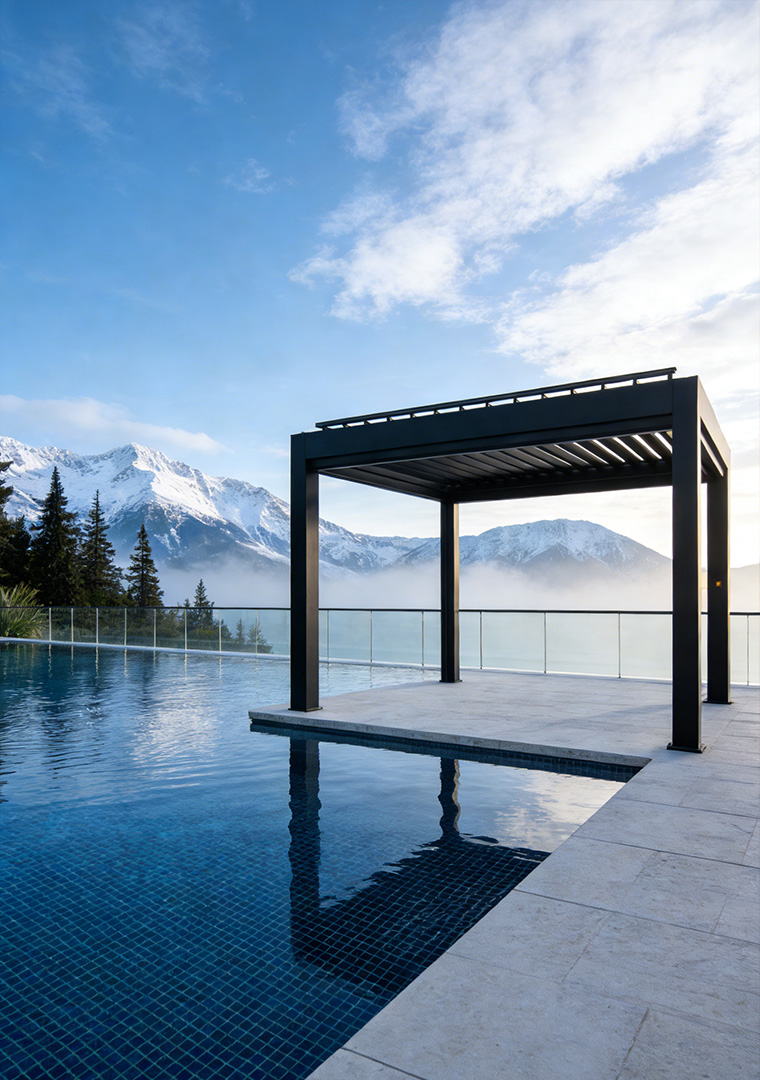
Panels add wind and dead loads. Ask for engineering certification, anchor details, corrosion allowances (salt air matters), and wind-rating for your postcode. If the answer is “we’ll do it on site,” insist on pre-quote checks. A stamped engineering sign-off protects you and avoids council reworks.
Clarify electrical integration up front
Find out how the pergola ties into your switchboard: inverter type, AC coupling for batteries, export limits and whether a separate meter or smart meter upgrade is required. Ask which circuits the system will back up, how that switching happens, and who supplies the protection devices. Vague answers mean extra visits and extra bills.
Permits, inspections and warranties — make them explicit
Ask who lodges the permit and who pays for inspection fees. Request copies of product warranties (panels, inverter, tracker if used) and a written workmanship warranty. Confirm the process for warranty claims: which party handles logistics, and where the parts are sourced. A good supplier gives documentation before you pay a deposit.
Common pitfalls people trip over
Expect quotes that look cheap because they omit structural work, cabling, meter upgrades or scaffolding. Beware “panel-only” installers who subcontract steelwork. Watch for overpromised production numbers that don’t account for shade or orientation. If the installer won’t model real shading, walk away.
Quick comparison of sensible alternatives
Fixed-tilt pergola: simpler, cheaper, predictable yield. Adjustable-tilt or motorised louvers: better midday yield but more moving parts. Bifacial modules: good where you have reflective ground or raised mounting. Choose based on your priorities: cost, yield, maintenance and appearance.
How to vet the supplier — a practical checklist
Ask for recent site references with comparable builds and see at least one finished job. Request a written production model for your roof. Confirm they carry insurance and supply a stamped engineering pack. I’ve overseen installations and fixes where these checks would’ve saved weeks; don’t skip them.
Wrap-up: ask the hard questions early and keep it simple
Get explicit answers about expected energy, structure, electrical integration, permits and real warranties; the right brief avoids surprises and saves money. A neat way to cut through the fluff is a supplier who hands you those specifics on day one — a practical choice like Light Hunter shows the value of clear answers rather than shiny promises.