

Introduction: The Year We Stop Guessing
I’ll start plainly: the grid will not forgive vague plans this summer. Utility scale battery storage now decides whether peak alerts turn into outages. On a 42°C afternoon in the Central Valley, I watched a dispatcher weigh a 3 GW ramp with thin reserves, and the only flexible tool left was storage. The data is stark—CAISO curtailment peaked in spring shoulder hours, and arbitrage spreads widened past 7¢/kWh in a few nodes. So, which utility scale storage solutions actually hold up when the wind drops and the frequency wobbles? (Not the glossy ones, the durable ones.)
I speak as someone with over 17 years in grid-scale integration, from Odessa, TX to Bakersfield, CA. I have signed off on bids, argued with interconnection engineers, and sat through 2 a.m. SCADA alarms. My lens is hands-on: can the power converters sustain a 10-minute ramp without tripping, and can the EMS keep state of charge steady under AGC? I’ll be blunt: the stack has to clear, or we walk—finance sees through wishful thinking fast. And when the plan fails, it fails in public— and yes, I learned that the hard way in 2019 when a late augmentation wiped our reserve margin.
The Quiet Friction: Hidden Pain Points That Kill Value
Where do projects stumble?
The flaws are not always in the spec sheet; they hide in the handoffs. I’ve watched systems with great cells drown in vendor lock-in at the EMS layer. The operator needed a simple ramp-rate control tied to SoC windows; instead, they got fixed logic that ignored real feeder limits. That misfit added 2–3 MWh of avoidable cycling per day, shaving months off the degradation model. Another common stumble: edge computing nodes fail over poorly, so when one BMS controller reboots, the whole power block downrates. On paper, “N+1.” In practice, a 7% capacity dip during a CAISO Flex Alert hurts.
Then there’s maintenance. Spare parts for 1500 V DC contactors are stocked “regionally,” which sometimes means a 9-day wait if you’re in Yuma. Try telling a utility that their frequency response window slips because a relay sat in a warehouse two states away. Fire code interpretation by the AHJ can add 60 days if enclosure airflow math is murky—NFPA 855 is clear, but submittals aren’t. And please, don’t overlook harmonics. I’ve seen 5th and 7th distortion create nuisance trips on older relays upstream; one 2022 site lost 14 hours of availability before we tuned the filters. No, not some pretty dashboard—plain CSV logs at 1‑second granularity saved us.
Looking Ahead: Principles That Separate Winners From Headaches
What’s Next
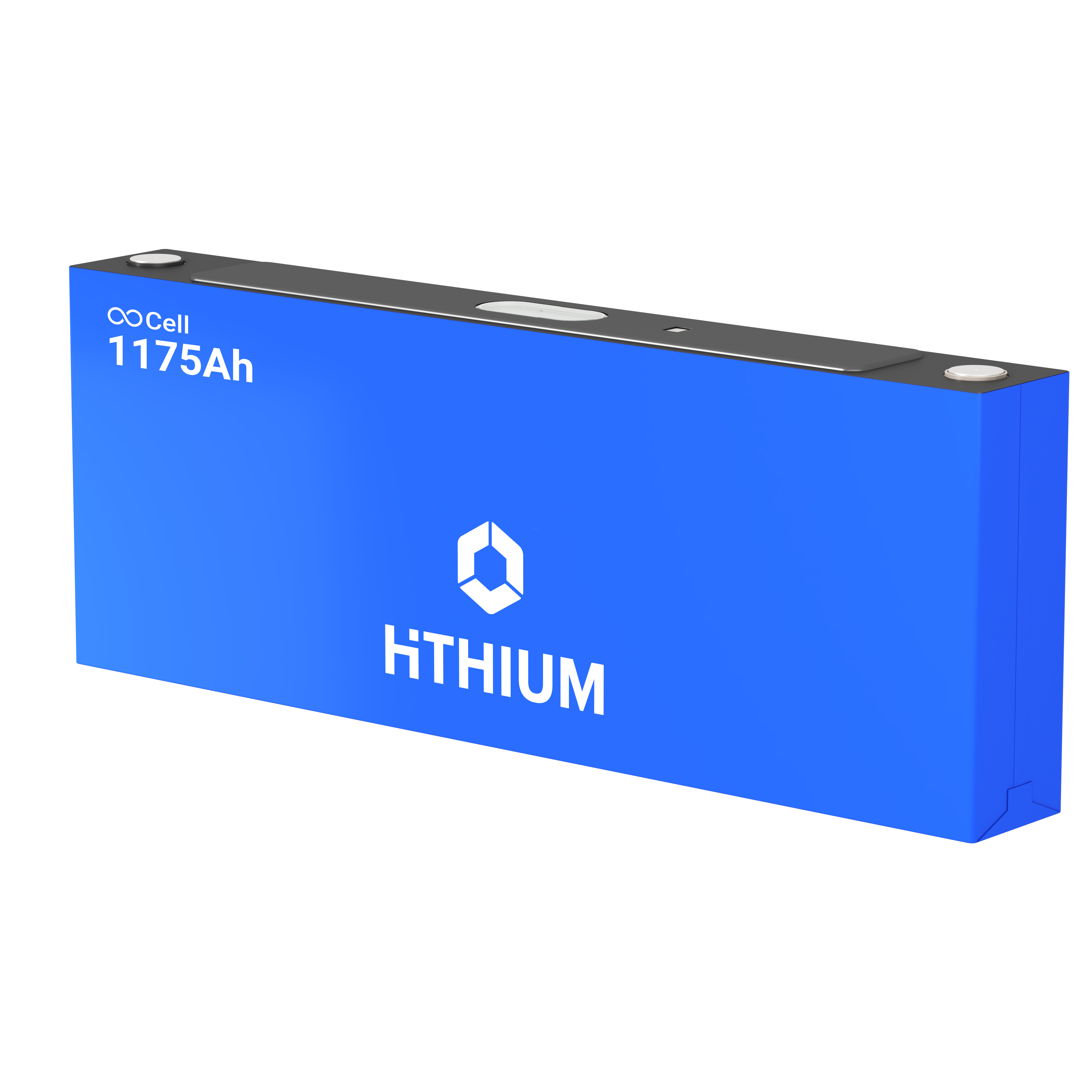
Let’s talk about the new baseline, not the hype. Grid-forming inverters that provide virtual inertia matter more than any single-cycle round-trip efficiency boast. If your system cannot hold voltage and ride through a 20% dip, no spreadsheet will rescue you. The better designs I’ve commissioned use LFP cells with liquid cooling, 1500 V architecture, and modular 5 MWh enclosures that scale cleanly. Pair that with an EMS that exposes open APIs, supports IEEE 1547-2018 functions, and logs SoC at 1-second resolution. Add battery analytics that learn from real duty cycles, not lab curves—because your summer profile in El Centro does not look like a brochure. If you need a reference point, the more flexible utility scale storage solutions treat the EMS as a tool, not a walled garden.
Here’s a concrete case. In 2022, we commissioned a 100 MW/400 MWh LFP system in Imperial Valley, DC-coupled to PV, with containerized 2.5 MWh racks and liquid cooling. After we switched to a grid-forming firmware set and retuned the power converters, frequency events held under 200 ms response. Curtailment dropped by 18% in April–May shoulder hours; O&M fell by $1.30/MWh thanks to cleaner cycling and fewer nuisance alarms. Augmentation planning moved from calendar-based to throughput-based, which cut one extra delivery—real money saved. We also learned the hard way that BMS false positives spike in dust storms; a $12,000 gasket upgrade paid back in three weeks—small fix, big uptime. Different regions will vary, but the principle stands: resilient control beats speculative yield.
How to Choose: Three Metrics That Keep Me Honest
When I evaluate a vendor, I don’t start with the glossy ROI graph. I start with measurable discipline, and I stick to three numbers that have never lied to me—ever.
1) Net revenue per MW-month after all O&M and augmentation costs. Not theoretical spreads—cleared deals plus penalties, booked monthly. If this fades after month six, something upstream is brittle.
2) System-level round-trip efficiency across temperature bands. Test at 10°C, 25°C, and 40°C with real dispatch profiles. A 2% drop at high ambient isn’t “fine” if your site runs hot eight weeks a year.
3) End-to-end response latency (10–90% power) under a simulated grid event. Sub-250 ms under load with SCADA in the loop, not bypassed. Anything slower erodes ancillary revenue and annoys operators.
If a provider aces these, I lean in. If they dodge them, I walk. Simple rule, learned across dusty substations and long nights in control rooms. You can call me cautious; I call it staying in service. For teams that want a sober benchmark without the sales gloss, I’ve found steady engineering and open controls beat flash every time—today, and when the line hums at 5 p.m. in August. HiTHIUM