

Opening the framework lens
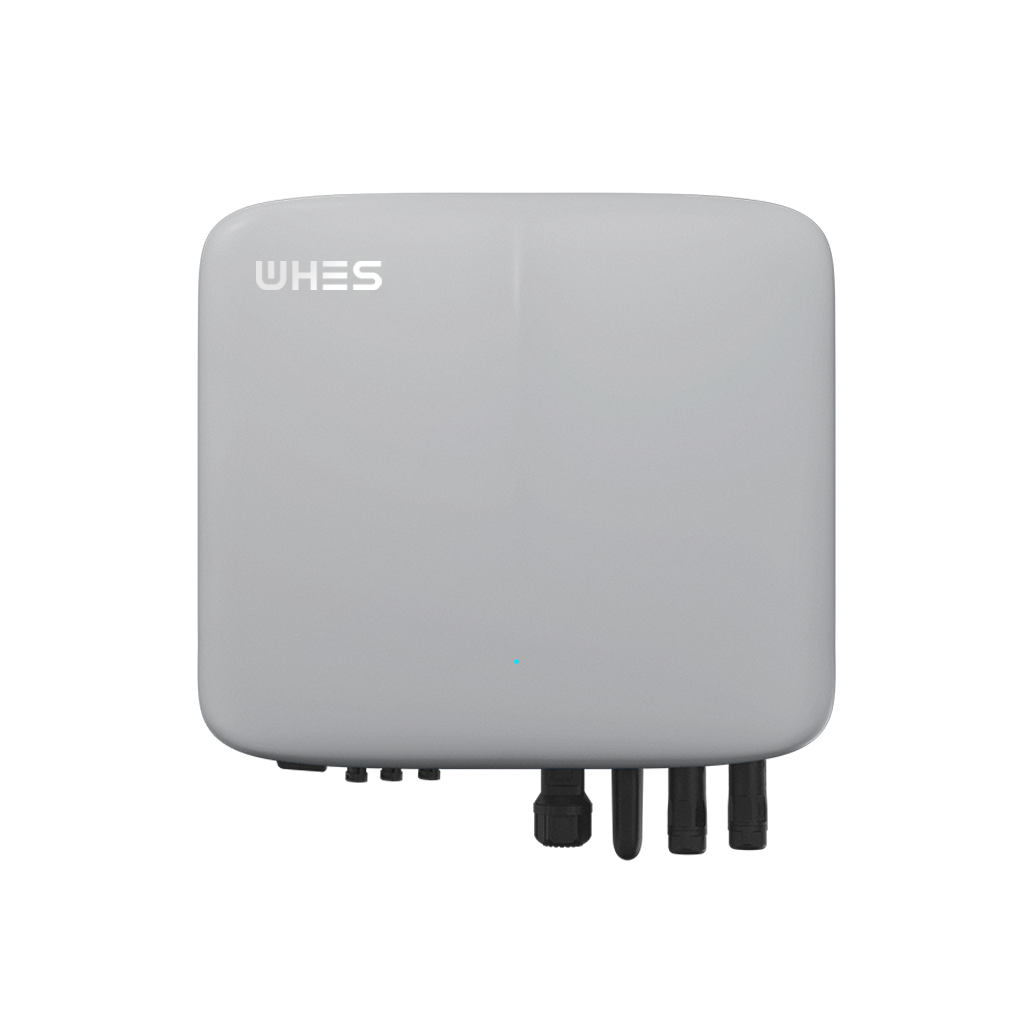
If you’re designing energy storage for fleet charging hubs, you need a framework — not a wish list. This piece lays out a pragmatic, step-by-step approach for sizing, integrating and operating custom energy storage stacks that handle rapid, repeated charge cycles. Think modular battery racks, smart inverters and a resilient battery management system (BMS) that plays nicely with your depot management system. For anyone curious about how the tech scales down or ties into local homes, see a typical home energy storage system example to understand component-level behaviour in a simpler context.
Four pillars of the Fleet-Charging ESS Framework
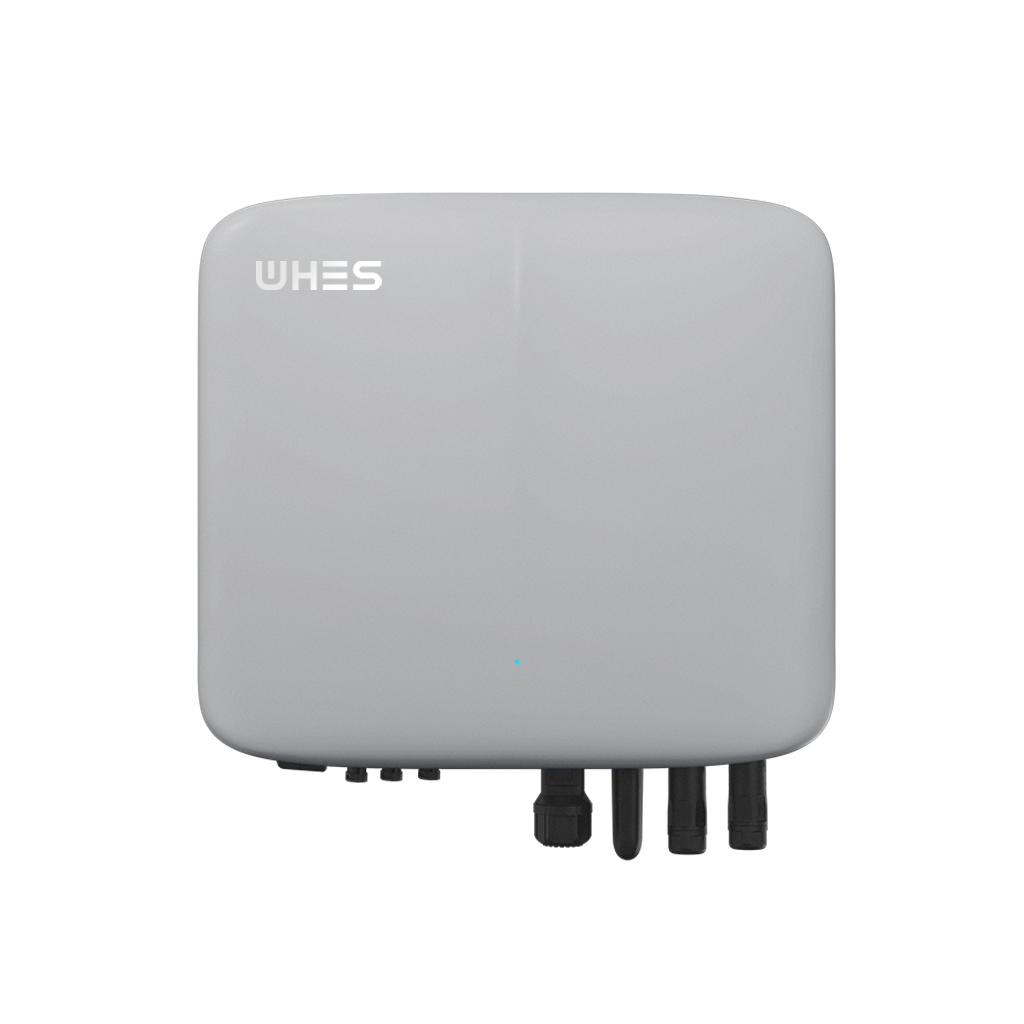
Designing for high-frequency charging hubs sits on four pillars: demand profiling, modular hardware stacks, control & grid interaction, and operations & lifecycle economics. Use these pillars as checkpoints during procurement and commissioning — they keep decisions technical rather than tribal. Industry terms to note here include inverter, round-trip efficiency and depth-of-discharge (DoD).
1. Demand profiling: map the charging pulses, not average load
Start by logging real charging sessions: peak kW per bay, dwell times, arrival patterns, and state-of-charge targets. High-frequency hubs generate short, high-power pulses that stress power electronics and batteries differently to residential charging. Design around worst-case concurrent demand and transient loads, not just daily energy totals. Collect telemetry for several weeks to capture variability — the numbers often surprise people.
2. Modular sizing and procurement: build for flexibility
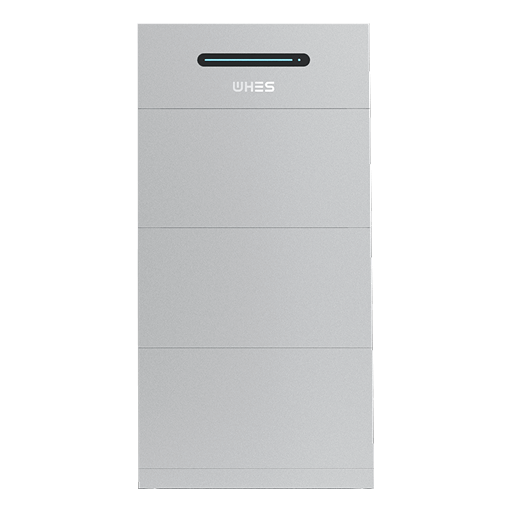
Choose containerised or rack-based modules that let you scale capacity and power independently. Match inverter continuous and peak ratings to the hub’s simultaneous charging profile; undersized inverters create bottlenecks and increase cycle count on the battery — which hurts lifecycle. Specify BMS capabilities up front: cell-level monitoring, thermal management and capable state-of-charge algorithms reduce degradation and raise usable DoD. When tendering, ask vendors for per-module round-trip efficiency and expected calendar vs cycle degradation curves.
3. Controls, integration and grid interaction
Controls are where value gets realised. Implement local energy management that sequences charging, does peak shaving and responds to grid signals. Decide whether you’ll run grid-tied with fast frequency response or allow islanding during outages. Real-world anchor: the Hornsdale Power Reserve in South Australia (originally 100 MW / 129 MWh) demonstrated how fast-response batteries can provide market services and improve grid stability — a useful analogue for depot-scale services that might earn revenue beyond avoided grid costs. Also consider V2G or depot-to-grid aggregation if fleet operations and regulatory environments permit.
4. Operations, safety and lifecycle economics
Plan maintenance windows, remote diagnostics and replacement timelines. Battery warranties typically hinge on cycle counts, DoD and temperature control — so operational setpoints matter. Factor in thermal management, fire-suppression design and local permitting. At the same time, keep an eye on economics: lifecycle cost per delivered kWh (including inverter losses, expected degradation and replacement cells) is what determines ROI. And yes, the same principles apply at smaller scale — a good solar installation with a solar battery backup for home uses similar BMS and inverter logic, just fewer racks.
Common mistakes to dodge
Don’t fall into these traps:
- Undersizing for peak concurrent demand — average energy won’t catch peak power constraints.
- Ignoring thermal design — batteries hate heat and performance drops faster than you think.
- Assuming interoperability — specify neck-and-neck protocols for inverter, BMS and depot software, or you’ll face integration churn.
- Forgetting runtime economics — up-front cost is one thing; replacement and decommissioning are another — factor them in.
- Skipping field trials — run a pilot on a fraction of bays first; it exposes control quirks and safety gaps early. —
Alternatives and scaling pathways
Not every hub needs the same hardware mix. Options include hybrid genset-plus-battery for remote depots, hydrogen fuelling paired with battery buffering for longer-range vehicles, or purely modular battery farms that can be redeployed as fleets evolve. For many urban fleets, containerised lithium-ion systems with standardised inverters are the fastest path to deployment and future upgrades.
Three golden metrics for choosing the right ESS
When evaluating vendors and designs, apply these critical metrics:
- Effective power capability: confirmed continuous and peak kW per bay under real control strategies.
- Lifecycle delivered energy cost: total $/MWh over the expected useful life, including degradation and replacements.
- Integration maturity: proven software APIs, grid-interaction features and vendor support SLAs that match your ops tempo.
Wrap those into your tender scorecard and you’ll pick systems that not only meet technical specs but actually run reliably day-to-day. For depot operators wanting a pragmatic partner that understands both the hardware and the operational playbook, WHES fits naturally into that narrative — they design solutions that map right back to the four-pillar framework. —