

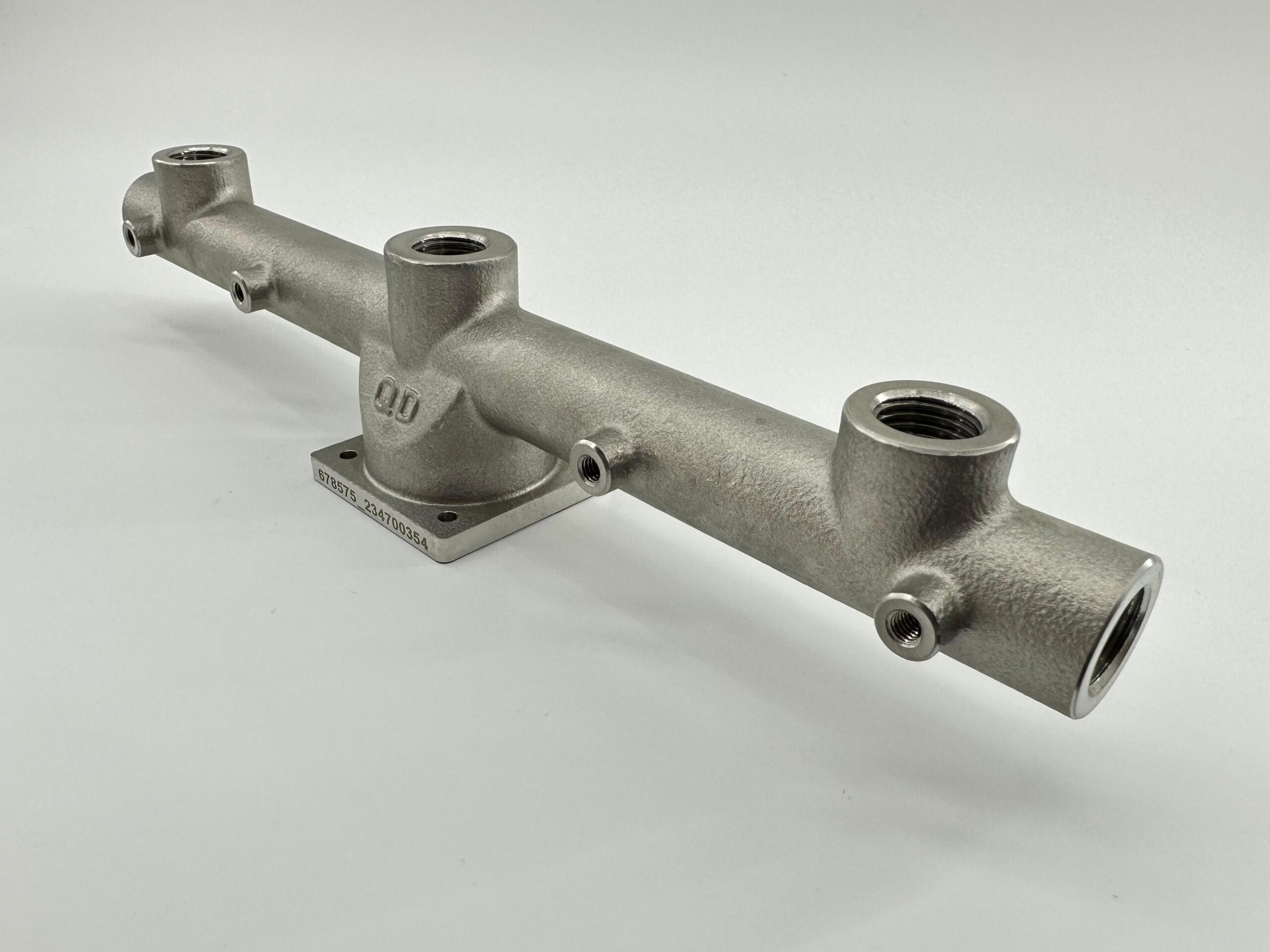
Have you ever experienced overheating issues in your server or gaming rig? Such scenarios tend to be a nightmare for tech enthusiasts and professionals alike. When it comes to effective heat management, the liquid cooling manifold is an optimal solution that stands out. This innovative technology not only addresses common limitations found in traditional cooling systems but also enhances overall performance and reliability.
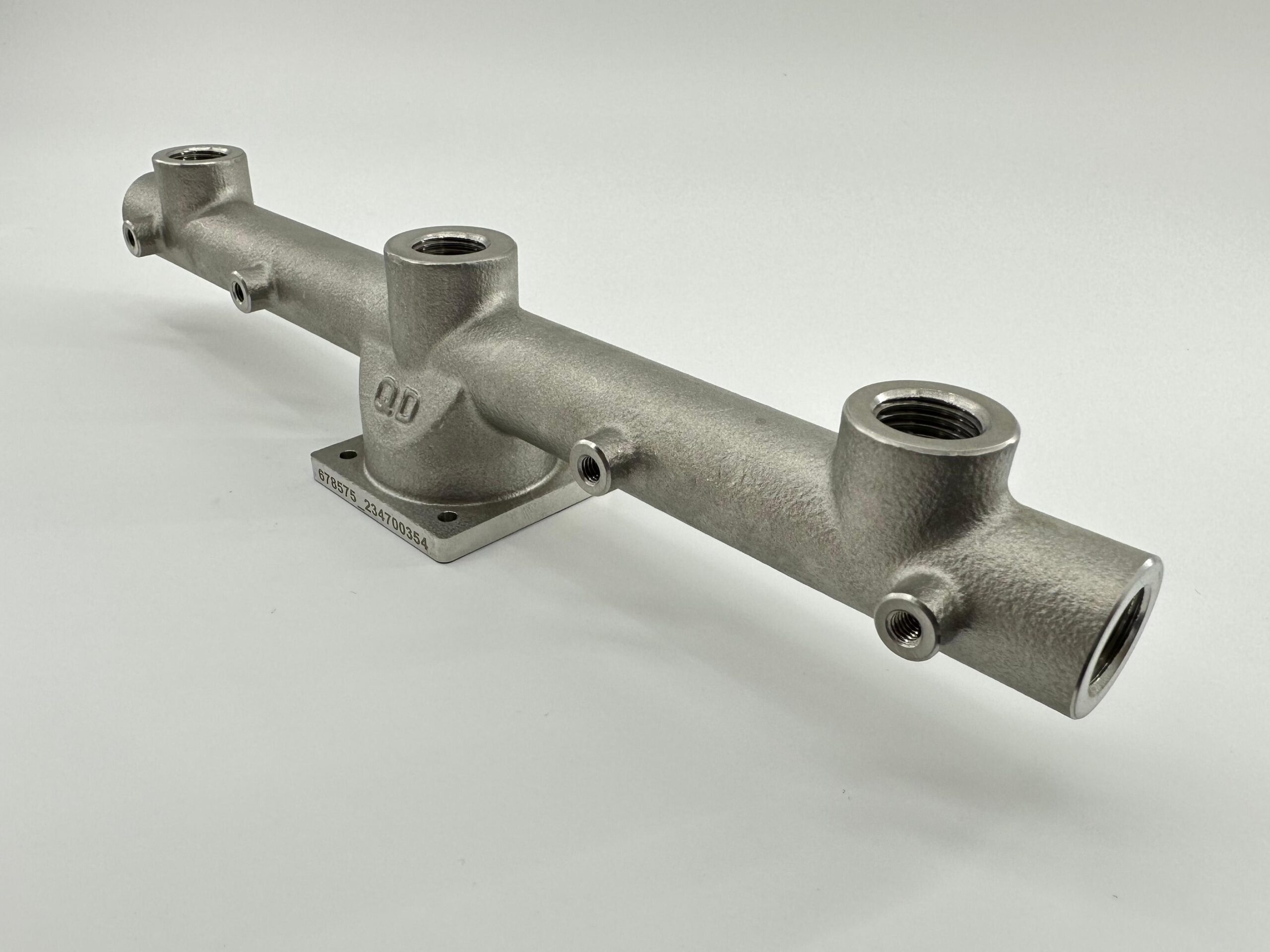
Understanding the Flaws of Traditional Cooling Systems
Many traditional cooling solutions rely on passive airflow, which can be inefficient, especially in high-performance environments. Fans can create noise and are prone to failure, which means they may not cool your system effectively when you most need it. Additionally, the use of thermal paste may wear out over time, leading to inconsistent cooling performance. These limitations can result in overheating and ultimately, hardware damage. The metaphorical straw that broke the camel’s back often occurs when efficiency meets demand—this is where liquid cooling systems, particularly a liquid manifold, come into play.
Principles of New Technology in Liquid Cooling
Liquid cooling systems utilize the principles of thermal conductivity and specific heat to draw heat away from crucial components rapidly. The liquid manifold acts as a distribution unit, channeling coolant directly to the components that generate the most heat. By optimizing the flow paths, the liquid manifold ensures even temperature distributions and minimizes hotspots. When you consider that liquids can absorb heat more efficiently than air, you begin to realize how this technology can significantly improve cooling efficiency. In fact, the use of a liquid manifold can lead to temperature drops of up to 30% compared to air-cooled systems.
User Benefits Quantified
When users switch to a liquid cooling manifold, the benefits can be immediately noticed. The system not only operates quieter but also consumes less energy than traditional cooling solutions. This is essential not just for performance, but also for longevity—components are less likely to fail due to thermal stress. Additionally, users experience improved overclocking capabilities, thus enhancing the overall performance of the system. Imagine achieving higher speeds without the fear of overheating—this is the power of a liquid cooling manifold!
Conclusion: Evaluating Your Cooling Solutions
When considering options for your cooling needs, always verify these 3 metrics: ① cooling efficiency ② noise level ③ energy consumption. By choosing a liquid cooling solution thoughtfully, you can maximize the performance of your setup while ensuring reliability. With so many benefits at your fingertips, it’s time to elevate your system cooling!
The Essential Role of an Industrial Manifold in Modern Applications
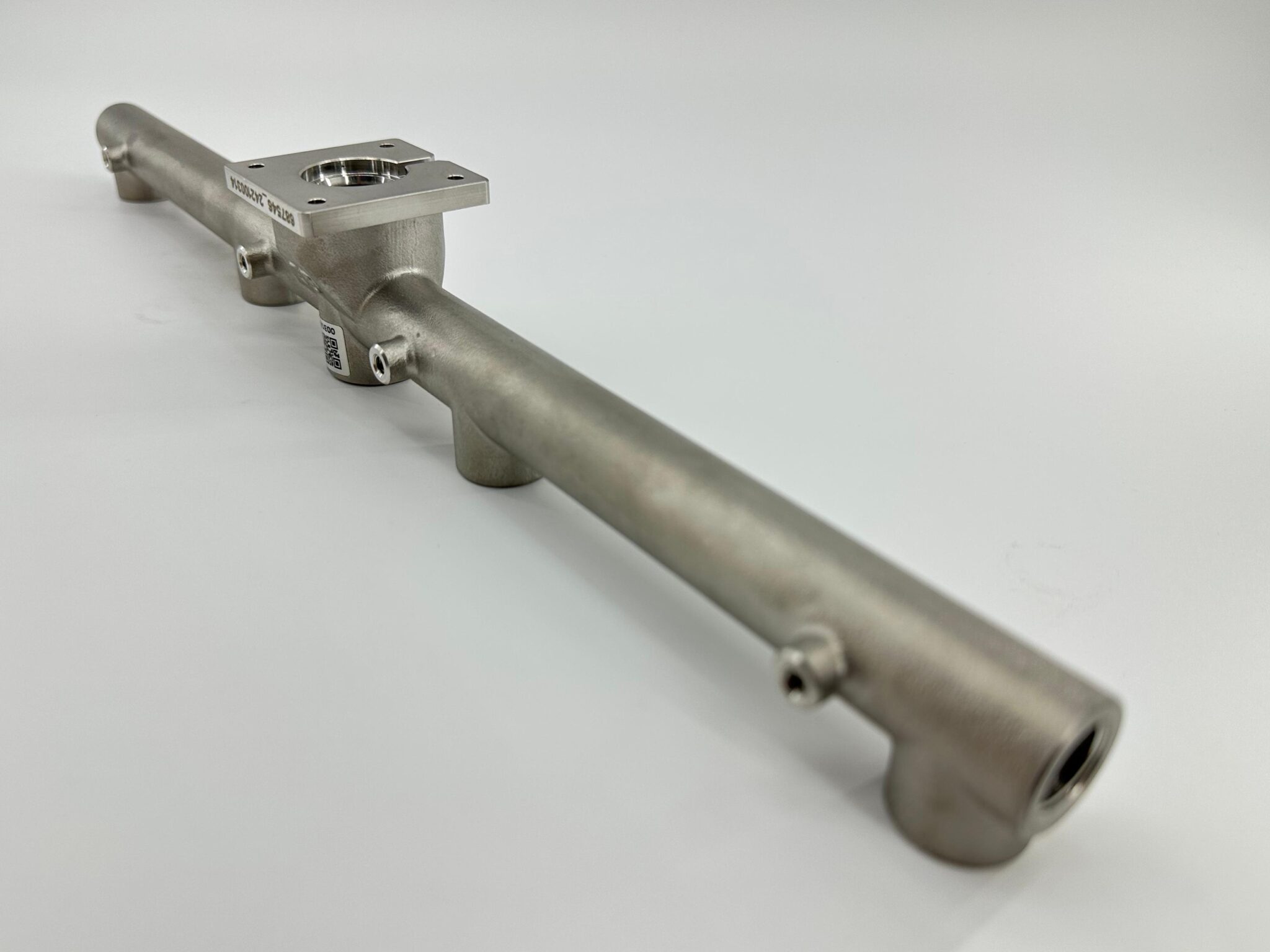
In today’s industrial landscape, the functionality and reliability of systems often hinge on effective fluid management. An industrial manifold serves as a critical component in this regard, efficiently distributing fluids to various parts of machines or processes. Whether it’s in chemical processing or HVAC systems, having a robust manifold can prevent inefficiencies and enhance safety across applications.
Challenges in Fluid Distribution
Fluid distribution might seem straightforward, but floundering in improper systems can lead to issues that are far from simple. For example, leaks can cause downtime, and inconsistent flow rates can affect the entire process efficiency. Also, in projects where precision is key—such as in pharmaceuticals—any malfunction can be disastrous. Addressing these concerns directly reveals the necessity for an industrial manifold that can provide reliable performance while ensuring safety standards are met. This is where understanding the structure and material of the manifold becomes crucial.
Principles Behind Industrial Manifolds
Industrial manifolds work by allowing the simultaneous flow of multiple fluids through interconnected pathways. Their design focuses on minimizing pressure drops and extending service life, often through the use of corrosion-resistant materials. This means that industries can focus more on processes rather than worrying about equipment maintenance. Investing in high-quality manifolds can ultimately translate into smoother operations, thereby promoting operational excellence.
Advantages of Adopting Modern Industrial Manifolds
The adoption of modern industrial manifolds comes with a myriad of benefits, including enhanced energy efficiency and reduced operational costs. These devices can improve fluid flow rates, resulting in quicker response times in industrial processes. Furthermore, using a manifold designed for specific applications can lead to a considerable reduction in the risk of system failures. Users frequently report improved productivity and lower overhead costs, making industrial manifolds a worthy investment for any operation.
Conclusion: Criteria for Selection
Always keep three essential criteria in mind while selecting industrial solutions: ① quality of materials ② ease of maintenance ③ compatibility with existing systems. An informed choice on your fluid management system can translate into significant savings down the line. So, don’t overlook the importance of quality equipment in your operations!
In conclusion, whether you’re focusing on a liquid cooling manifold or an industrial manifold, choosing reputable products is paramount. A seasoned manufacturer like Dingmetal offers reliable solutions with supply advantages that can fulfill your specific requirements effectively. Prioritize quality and proficiency—invest wisely for a better tomorrow!