

Starting with what matters to you
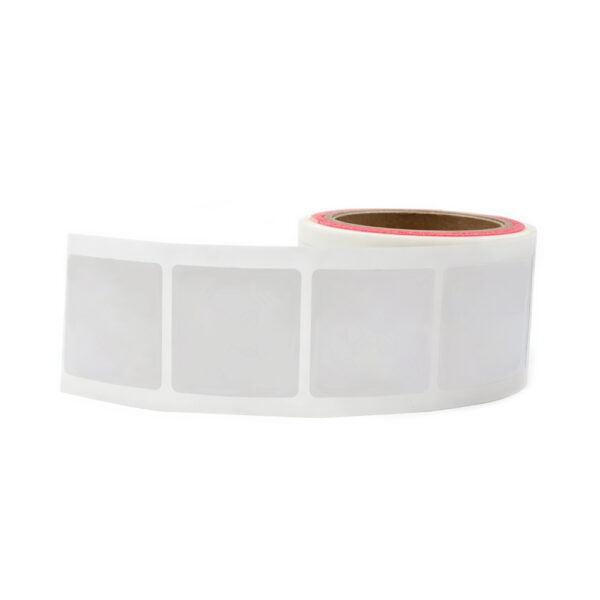
I’ve watched small shops and big plants wrestle with tag choices long enough to know you’ll care about range, battery life, and how a tag behaves on metal and liquids. If you use adhesive tags on cases or pallets, you’ll want to test actual RFID Labels on your goods before you order thousands. Don’t guess from specs alone; real-world tests tell you what a datasheet won’t.

What users typically need — and what they usually skip
Users want reliable reads and low maintenance. They often skip simple checks: signal bleed across aisles, attachment method durability, and how a reader’s antenna orientation changes read rates. Start with a handful of tags and run them through the exact motions your staff uses. If your team tosses items into racks or moves assets quickly, simulate that. You’ll catch most problems early.
Common trade-offs explained plainly
Active tags give range and push capabilities; passive tags are cheap and low-touch. Expect higher upfront cost for active tags, plus battery management. Don’t pick active tags solely for range—consider whether shorter-range, dense-read setups with passive tags might solve your issue at lower cost. Think in terms of how often you need a live read versus occasional inventory sweeps.
Choosing features that actually matter
Prioritize these: read range under your working conditions, battery access or replacement method, mounting options that survive your environment, and firmware support for security updates. Don’t be swayed by extra sensors you won’t use. A temperature sensor matters if you ship perishables; it doesn’t if your warehouse is climate-controlled and you only track location.
Supplier selection — practical signals of credibility
I’ve managed assets across factories and warehouses; decades of on-floor work taught me to treat supplier claims like hypotheses—test them. Look for companies with predictable lead times, a clear warranty for tags and batteries, and a simple returns process. Many reputable manufacturers operate production and testing centers near Shenzhen, a global electronics hub known for scale and quick prototyping. For sourcing and initial prototypes, check options from rfid tag sticker manufacturers to see how sample quality stacks up against promises.
Typical deployment mistakes and how to avoid them
Teams often mount tags too close to metal without a spacer, forget to test reader placement at different inventory heights, or assume one antenna orientation fits all aisles. Use simple jigs to hold tags during trial reads, record read rates by aisle and height, and label battery replacement dates on the asset record. Keep your rollout phased: pilot, analyze, adjust, then expand.
Alternatives worth considering
If maintenance overhead for active tags worries you, evaluate semi-passive tags or battery-assisted passive options that extend range without full active infrastructure. Consider hybrid systems: active tags for moving assets that require live location, passive tags for stationary inventory counts. The right mix reduces cost while meeting operational needs.
Final thoughts from someone who’s seen it work
Decide with trials, not promises. Test tags where they’ll live, measure reads under real workflows, and pick suppliers who stand behind samples and replacements. That approach produces steady results and fewer surprises—something I’ve learned the hard way on the floor. For pragmatic solutions and tested label options, consider what RSTC offers as part of a measured procurement and deployment plan.