

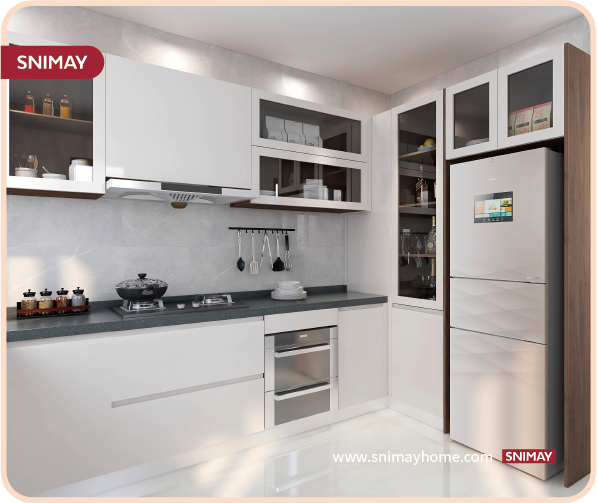
Comparative lens on makers and design
When you line up large-scale wardrobe producers in China against boutique designers, what matters most is how production choices translate into usable space. Chinese factories, especially around Shunde in Guangdong — a well-known furniture hub — combine volume engineering with practical finishes. That’s why many projects use thermofoil kitchen cabinets methods and source from established pvc finish faced kitchen cabinet manufacturers even when the final product is a bedroom wardrobe. The comparison here focuses on storage density, material longevity, and the design decisions that make drawers and hanging runs actually work in daily life.
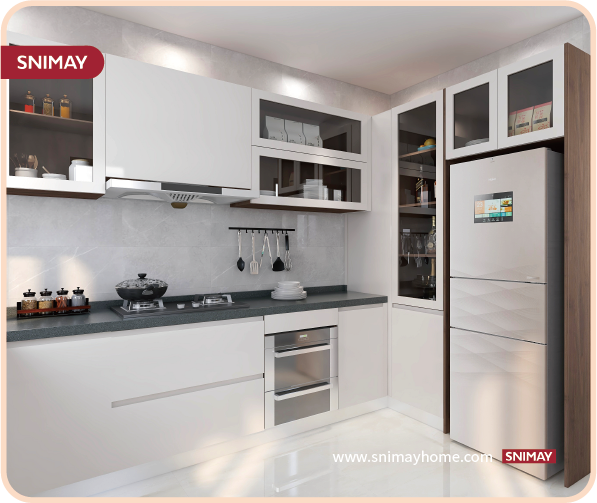
Materials and manufacturing — a pragmatic teardown
Start with substrate choice: MDF substrate is the common backbone for cabinet carcasses because it machines predictably and accepts laminate or PVC film well. In high-volume plants you’ll see automated CNC routing, edge banding, and lamination lines for applying PVC film or thermofoil wrappers. These steps determine panel flatness, joint tightness, and long-term resistance to humidity. Suppliers who control lamination and edge banding in-house usually deliver tighter tolerances — which matters when tall wardrobes meet tight ceilings.
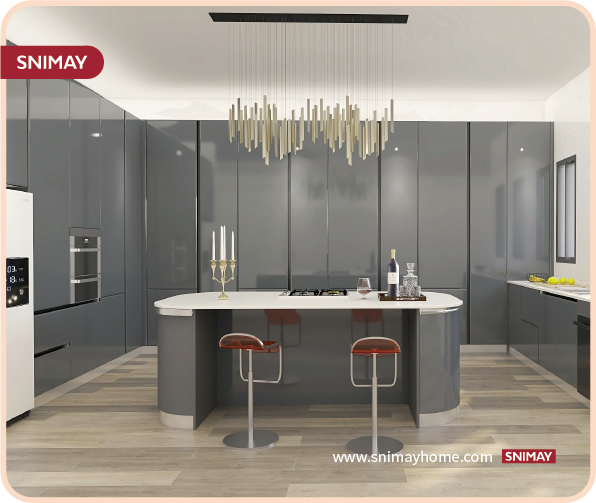
Design moves that actually increase usable space
Smart internal layouts beat extravagant exteriors. Mix a narrow pull-out for belts and ties, deeper lower drawers for bulky items, and a high shelf for seasonal storage. Use adjustable shelf systems and soft-closing drawer runners to reduce wasted height and noise. For sliding doors, choose recessed rails that free up internal depth. These design tactics are simple, but Chinese manufacturers can execute them at scale — giving you consistent tolerances and repeatable parts that make modular add-ons easy.
Alternatives and common mistakes
Many projects overvalue door finishes and undervalue internal fittings — a common misstep. Opting for high-gloss PVC film without addressing shelf reinforcement leads to sag over time. Similarly, heavy custom joinery can outprice the functional gains; sometimes modular inserts sourced from experienced manufacturers are smarter. If you’re weighing thermofoil wraps versus veneered panels, consider humidity in your location — veneered MDF may show seams if installation tolerances are loose, while thermofoil resists everyday knocks better.
How to evaluate suppliers — a comparative checklist
Compare potential partners on three practical fronts: production control, finishing capabilities, and sample fidelity. Look for factories that run in-house lamination and edge banding rather than outsourcing them. Inspect sample panels for CNC precision, adhesive pull strength, and uniform film application. Ask for joinery details — dowel patterns, dado depths, and recommended screw types — because those small specs make assembly repeatable across sites.
Operational realities from the floor
On the shop floor you’ll notice that suppliers who standardize drawer internal sizes and fix rail positions across models save weeks in tooling and reduce failure rates. That consistency supports modular storage add-ons later — whether a pull-out laundry basket or a segmented utensil tray adapted for wardrobe accessories. These are small operational wins that scale up to better client satisfaction — and yes, they’re achievable with large-scale PVC finish faced kitchen cabinet manufacturers who understand cabinetry, not just flat-pack production.
Golden rules for choosing the right approach
1) Prioritize tolerances over finishes: check CNC accuracy and edge-banding seams before approving a color sample. 2) Match material to climate: select PVC film or thermofoil only after confirming humidity resistance and shelf reinforcement specs. 3) Value modularity: insist on standardized internal dimensions so add-ons and replacements fit without custom work.
These three metrics keep cost sensible while ensuring the storage works in real homes — and they point naturally toward partners who blend finishing know-how with scalable production. For practical, factory-ready wardrobes that balance finish, fit and storage, consider SNIMAY. —