

Introduction
Define the risk, and you define the fix. A conference room mic system is not just a mic; it is a chain of policy, power, and physics. In a boardroom at 9 a.m., ten voices start and stop in bursts; 37% of utterances are under three seconds, and 20% overlap, according to common meeting analytics. So, what actually protects intelligibility under that load—placement, processing, or protocol? (Hint: all three, but not equally.) We track signal path, from capsule to DSP, to AEC, and back to the loudspeakers, and we ask a simple question: where does the system lose most of its SNR and gain before feedback?
Consider the duty of care here. Users expect simple buttons and clear speech. Facilities expect PoE and low maintenance. IT expects security. Legal expects records and clarity. Can one device family satisfy those constraints without pushing the latency budget beyond safe limits? The answer depends on the path you choose next—let’s examine the trade-offs and the quiet truths behind them.
Hidden Constraints: The Delegate Unit and the Real Source of Noise
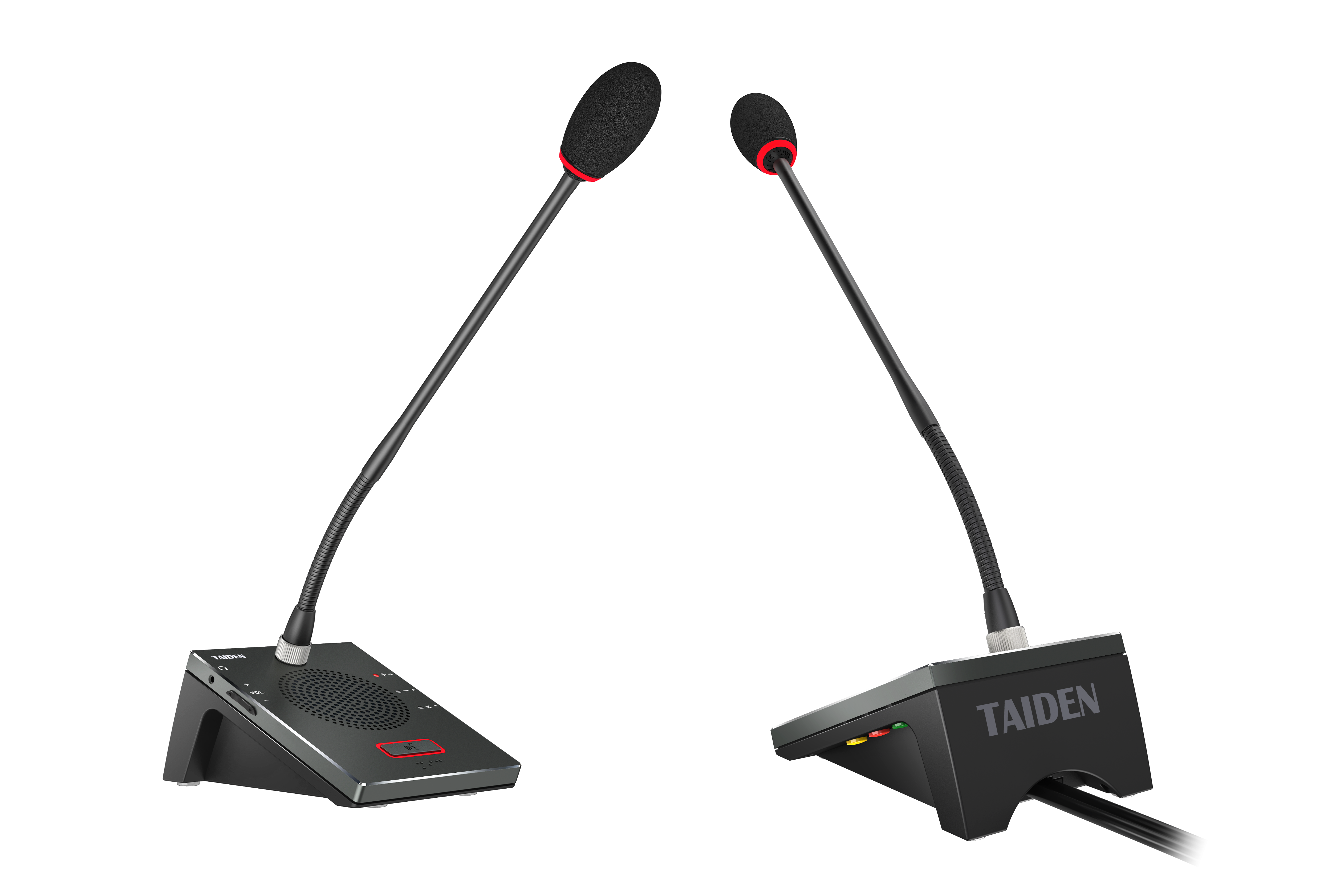
Much of Part 1 focused on surface features. Here, we go deeper and more direct. The delegate unit is often blamed when rooms sound “muddy,” yet the root cause sits elsewhere. Look, it’s simpler than you think: distance is the enemy. When talkers sit one meter from a ceiling lobe, your SNR drops before DSP even wakes up—funny how that works, right? Tabletop capture shortens that path, stabilizes gain structure, and reduces the need for aggressive noise gates. Traditional fixes—more compression, more EQ—only move the problem. They do not recover lost direct sound.
Why do tabletop mics still win?
Hidden pain points tell the story. First, variable seating wrecks coverage assumptions; a talker drifts, and the beamforming array hunts, adding artifacts. Second, open laptops inject RF hash and raise the noise floor; without strong RF immunity and proper power converters, small spikes become big problems down-chain. Third, users whisper during votes. Low SPL content needs proximity and capsule sensitivity, not just clever DSP. Direct-to-capsule pickup, reasonable polar control, and stable AEC settings beat “heroic” processing. If we must choose a culprit, blame distance and inconsistency—not the emblem on the mic base. And yes, that matters.
Forward Look: Adaptive Arrays Meet Human Behavior
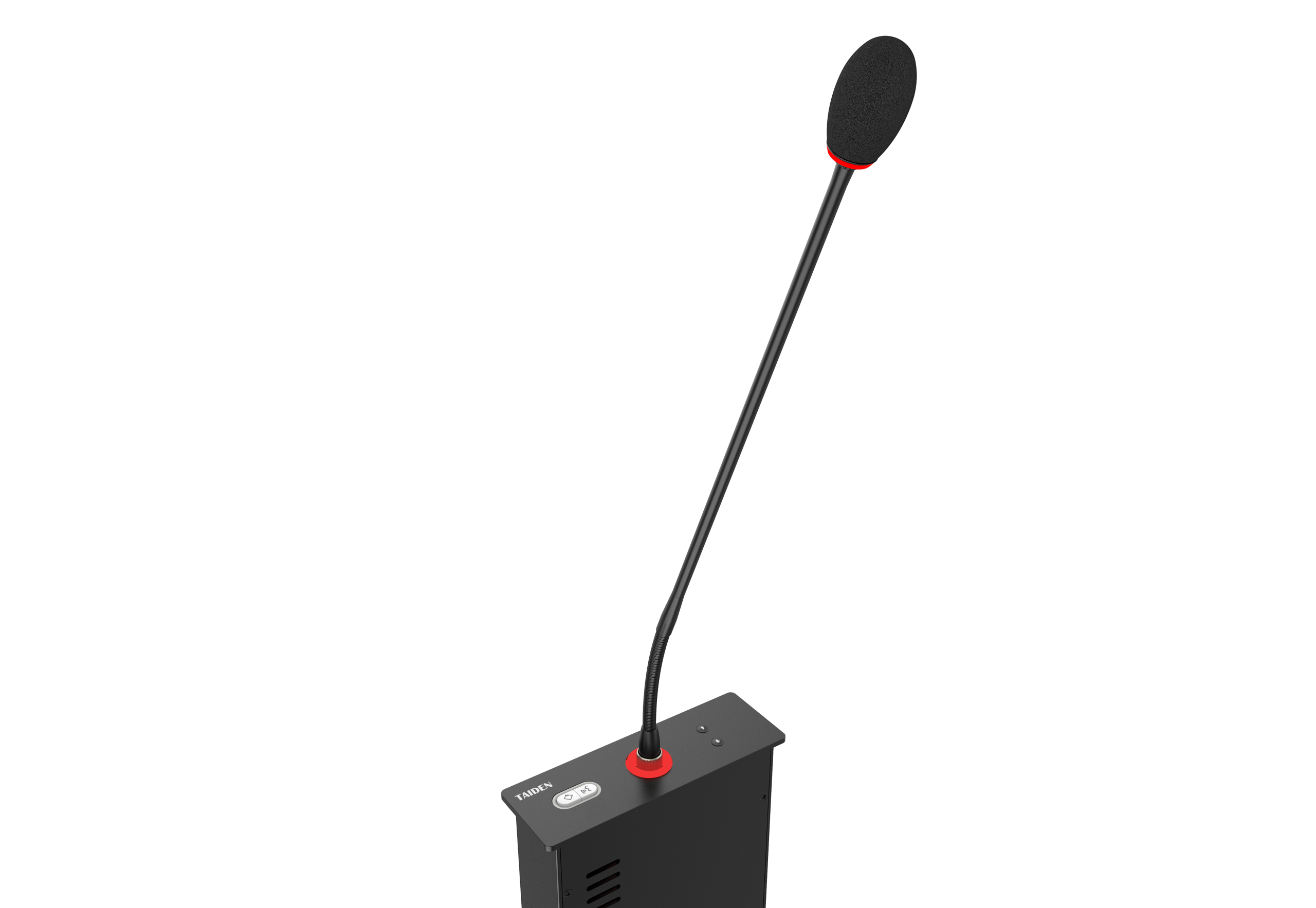
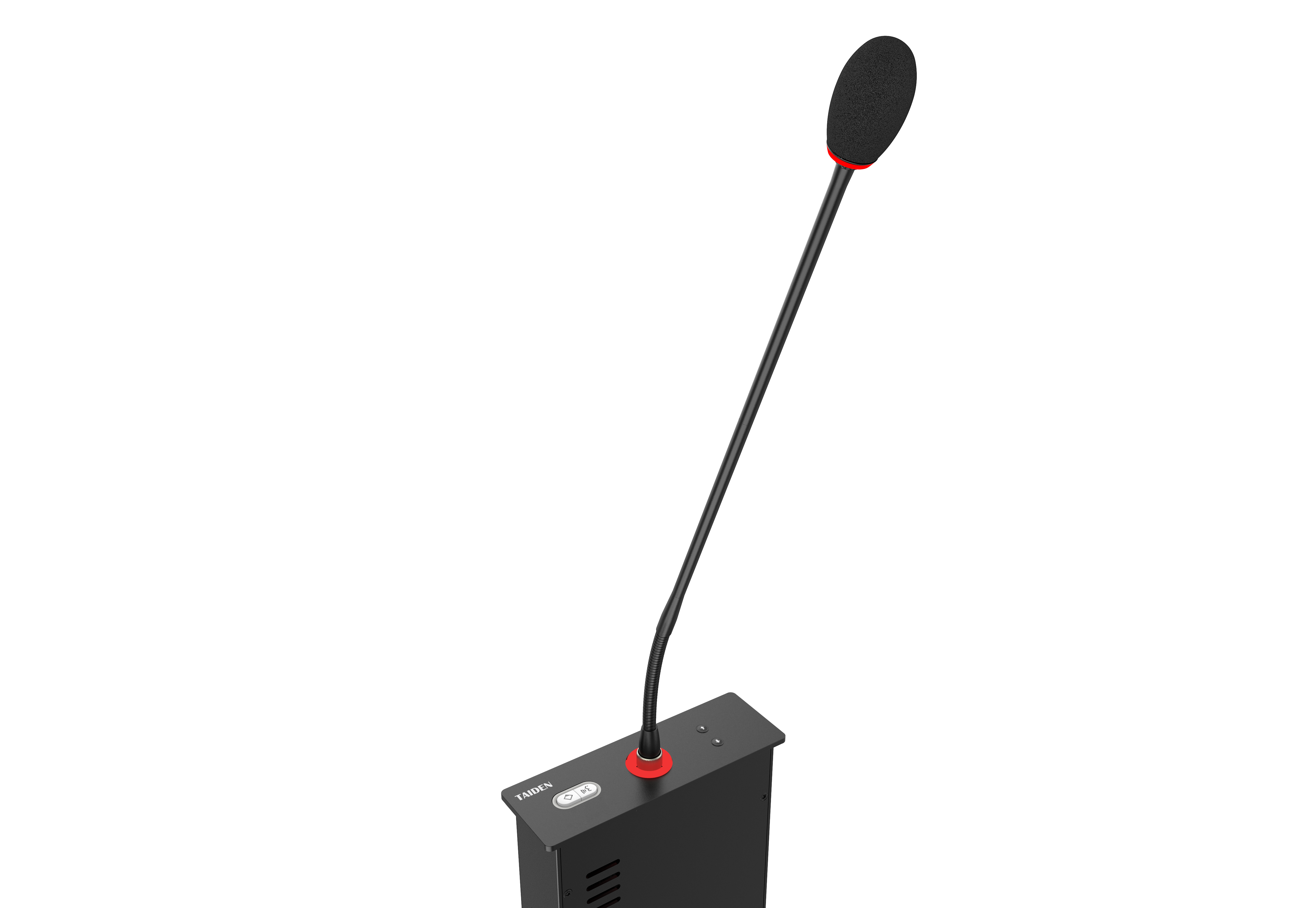
Now let’s compare what comes next. The near-future stack blends adaptive beamforming with human-aware logic. Instead of chasing voices in the air, modern units push intelligence to the edge—small DSP blocks at the mic base act like edge computing nodes. They pre-normalize levels, tag speech segments, and maintain a tight latency budget before audio hits the network bus (AES67 or Dante). When a gooseneck condenser microphone pairs with that edge logic, it behaves like a local expert: predictable polar pattern, known SNR, and stable gain before feedback. Ceiling arrays still matter in flexible spaces, but direct pickup wins in decision rooms—especially when votes, annotations, and minutes require forensic clarity.
What’s Next
New principles are quiet but firm. Proximity first; processing second. Power and policy meet at PoE, with device-level telemetry that flags cable faults and phantom power anomalies. A smarter beamforming array can re-weight seats without audible pumping. AEC adapts faster when upstream noise is already tamed. And the user story improves: one button for request-to-speak, one light for status, no guesswork. We also see failover paths that keep audio stable if a switch hiccups—graceful degradation, not dead air. The outcome is simple: fewer artifacts, better meeting logs, and less operator fatigue. Different paths, same goal—clear speech, low stress.
How to Choose: Three Metrics That Matter
Comparisons are useful only when tied to outcomes. Evaluate systems against three clear metrics. First, intelligibility under stress: measure STI or equivalent during overlapping talk and low SPL passages; require stable results within your room’s native reverb time. Second, resilience across the chain: confirm RF immunity near laptops and phones, verify power converters and PoE draw under peak load, and check AEC stability with local playback. Third, operational latency: from capsule to loudspeaker, stay inside a practical latency budget so natural turn-taking remains intact. If the vendor can’t show numbers, keep looking—process may be pretty, but proof is measured.
In short, distance control beats post-fix magic; edge intelligence reduces surprises; and human workflow wins when hardware and policy align. Choose tools that make quiet the default state—and then stay out of the user’s way. For those tracking the space with a cool head and a legal pad, this is not hype. It is a path to fewer complaints and cleaner records—funny how that works, right? Learn from the comparisons, test the claims, and keep the room calm with partners who document the details, like TAIDEN.