
Opening: why a framework matters now
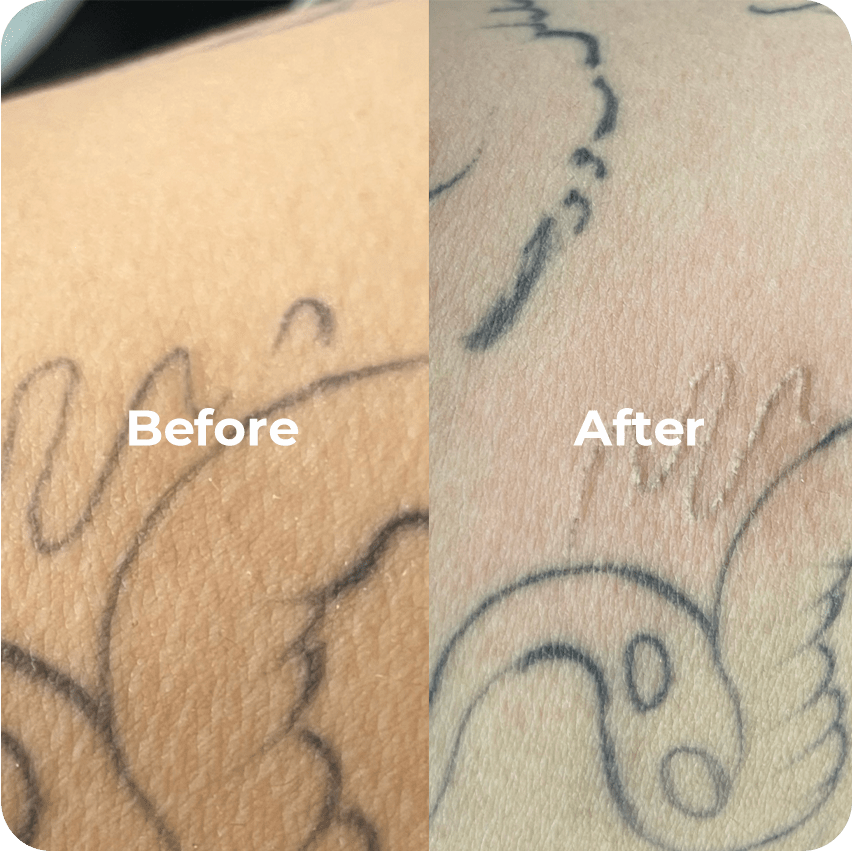
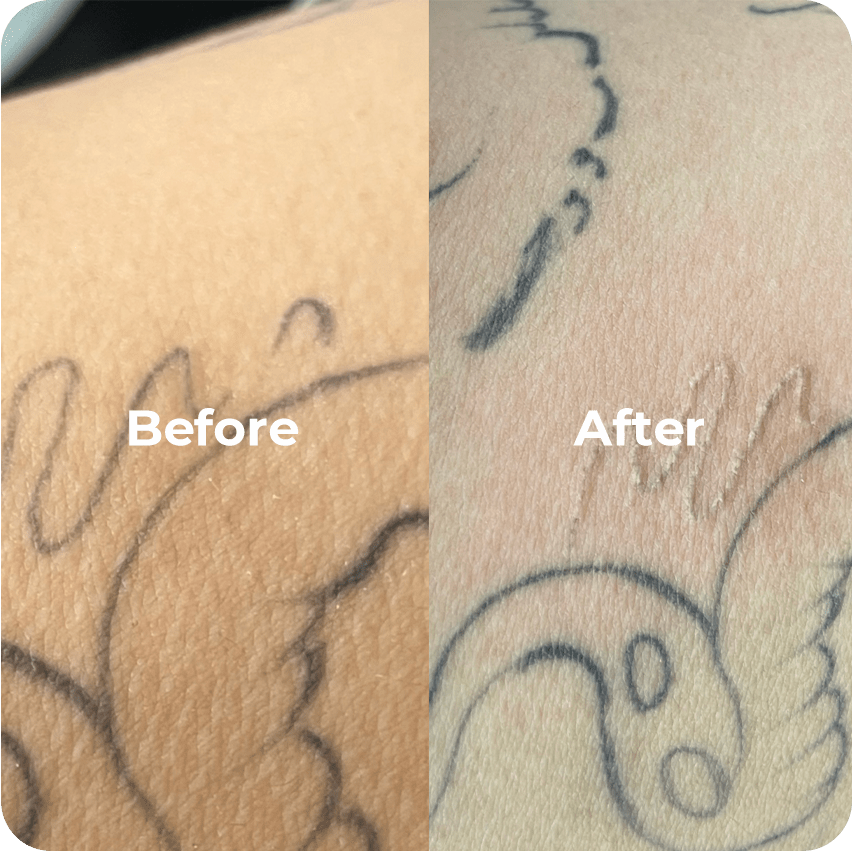
When clinics want predictable clearance and predictable billing, a repeatable protocol beats improvisation. This framework-style guide walks you through session planning, parameter selection, and real-world cost levers for the q switched nd yag laser machine, so you can maximize outcomes while keeping economics sane. It’s written for clinic owners and clinicians who care about consistency, not just the flash of a before-and-after photo.
Core pillars of the protocol
Think of the approach as four pillars: assessment, parameter strategy, treatment cadence, and post-care. Each pillar reduces variability and improves client satisfaction.
– Assessment: document tattoo age, ink colors, depth, and Fitzpatrick skin type. These inputs guide wavelength choice (1064 nm for dark pigments; 532 nm for reds) and risk mitigation.
– Parameter strategy: set spot size, fluence, and repetition rate based on lesion size and pigment load. Terms like nanosecond pulse and Q-switch behavior matter—these control the photoacoustic effect that fractures pigment without excessive thermal injury.
– Treatment cadence: stage sessions at intervals that balance clearance speed against hypopigmentation risk—usually 6–12 weeks depending on healing.
– Post-care: standardized wound care instructions, sun avoidance, and documented follow-up reduce complications and improve perceived value.
Session planning: practical parameter decisions
Start every treatment with a test spot on a discrete area. Use slightly lower fluence on the first pass; escalate only if the test response is minimal and tolerable. Record spot size and fluence precisely—those numbers are your reproducible recipe. A typical progression uses 1064 nm for baseline passes and 532 nm for resistant red ink. Remember selective photothermolysis: target pigment while sparing surrounding melanin.
Cost levers and clinic economics
Two big levers control per-treatment cost: consumables/time and device amortization. Faster protocols reduce chair time but can raise consumable use (gels, dressings) and risk of retreatment. Buying a capable unit—like the model linked earlier—affects amortization across thousands of sessions. Compare expected throughput, service plan costs, and warranty terms when you model ROI.
Device selection: what to prioritize
Prioritize reliability, pulse stability, and service support. Look for consistent pulse energy (low variance per pulse) and a reputable service network—downtime costs more than a few extra dollars on purchase. If you evaluate a device, insist on seeing stability data and service-level terms. For clinics that want a field-ready option with balanced cost and capability, consider the q switch nd yag laser machine as part of your short list; its specs often align with medium-volume practices.
Common mistakes and how to avoid them
Clinics often underestimate pigment heterogeneity, overestimate immediate clearance, and under-document parameters. Don’t skip the test spot. Don’t promise a single-session miracle. And don’t assume pigment color equals removal difficulty—black is easiest on 1064 nm, but layered and amateur work can hide pigment at different depths. —These small oversights are where patient trust erodes fastest.
Adjuncts and alternatives
Consider combining modalities for stubborn cases: fractional lasers can address textural changes after heavy clearing, and topical adjuncts (when evidence-based) can modulate inflammation. For patients who prioritize fewer sessions, discuss trade-offs—aggressive higher-fluence approaches speed clearance but raise hypopigmentation risk. If your clinic’s caseload skews toward darker skin types, prioritize devices with adjustable spot size and reliable cooling systems to protect epidermal melanin.
Real-world anchor and evidence lens
Q-switched lasers have been used in dermatology since the late 20th century and remain standard in clinics from Seoul to New York. Professional societies such as the American Society for Laser Medicine and Surgery provide guidance that underscores conservative, staged treatments—so this framework aligns with broad clinical practice. Use that context when you set patient expectations and clinic policies.
Summary of actionable steps
1) Standardize intake documentation (tattoo map, ink colors, photos). 2) Run a test spot and document fluence/spot size. 3) Schedule follow-ups at evidence-informed intervals and track clearance with objective photos. Together, these actions reduce variation and improve predictability for both clinician and patient.
Closing — Advisory: three golden rules for choosing and using q‑switched systems
1) Metric: Track energy consistency and per-session fluence variance—if either drifts, service immediately. 2) Metric: Measure average sessions-to-significant-clearance per pigment color in your clinic; use that for realistic pricing and scheduling. 3) Rule: Prioritize vendor support and documented uptime—device reliability directly affects margins and reputation.
Choose tools and protocols that make outcomes repeatable, and your clinic will convert better consults into satisfied return clients — ENZOEYS. —