Quick take — why this comparison matters
Transport systems run on two kinds of trust: structural integrity and visual clarity. When you compare stress-strain checks with 24/7 illumination audits, you get a clearer picture of what keeps signs working under real-world strain. This applies straight to retail signage too — malls and station concourses need both solid mounting hardware and consistent luminance to guide people fast. Stick with the comparative angle here; it shows what to copy and what to avoid. 🙂
What structural calculations cover
Structural checks look at load paths, wind, vibration, and attachment points. Engineers run stress-strain models to size brackets and bolts. They pick materials that handle fatigue and corrosion, and specify mounting hardware so signs don’t sag or fall. That’s the baseline: keep the sign physically safe and predictable.
What illumination audits reveal
Illumination audits track luminance, contrast, uniformity and night-time visibility. These audits often find hotspots, dimming LEDs, or wiring issues that make a perfectly mounted sign unreadable after dark. In high-traffic corridors, inconsistent light equals missed exits and frustrated users. An ongoing audit flags aging power supplies and failing modules before they become safety gaps.
Transport wins we can learn from
Look at the London Underground prep for the 2012 Olympics — planners didn’t just replace signs; they tested legibility under loads and at night. That combination of structural and visual validation is why commuters could still navigate packed platforms. Transit examples show how wayfinding hierarchy, accessible iconography, and ADA compliance mesh with engineering checks to create reliable guidance systems.
Where they diverge — and why both matter
Structural checks protect people from falling objects. Illumination audits protect people from getting lost. They intersect when wind or vibration changes sightlines, or when light fixtures add weight that alters stress distribution. Solve one without the other and you get partial performance — a sturdy sign that’s invisible after sunset, or a bright sign that tears loose in high winds.
Translating this to retail environments
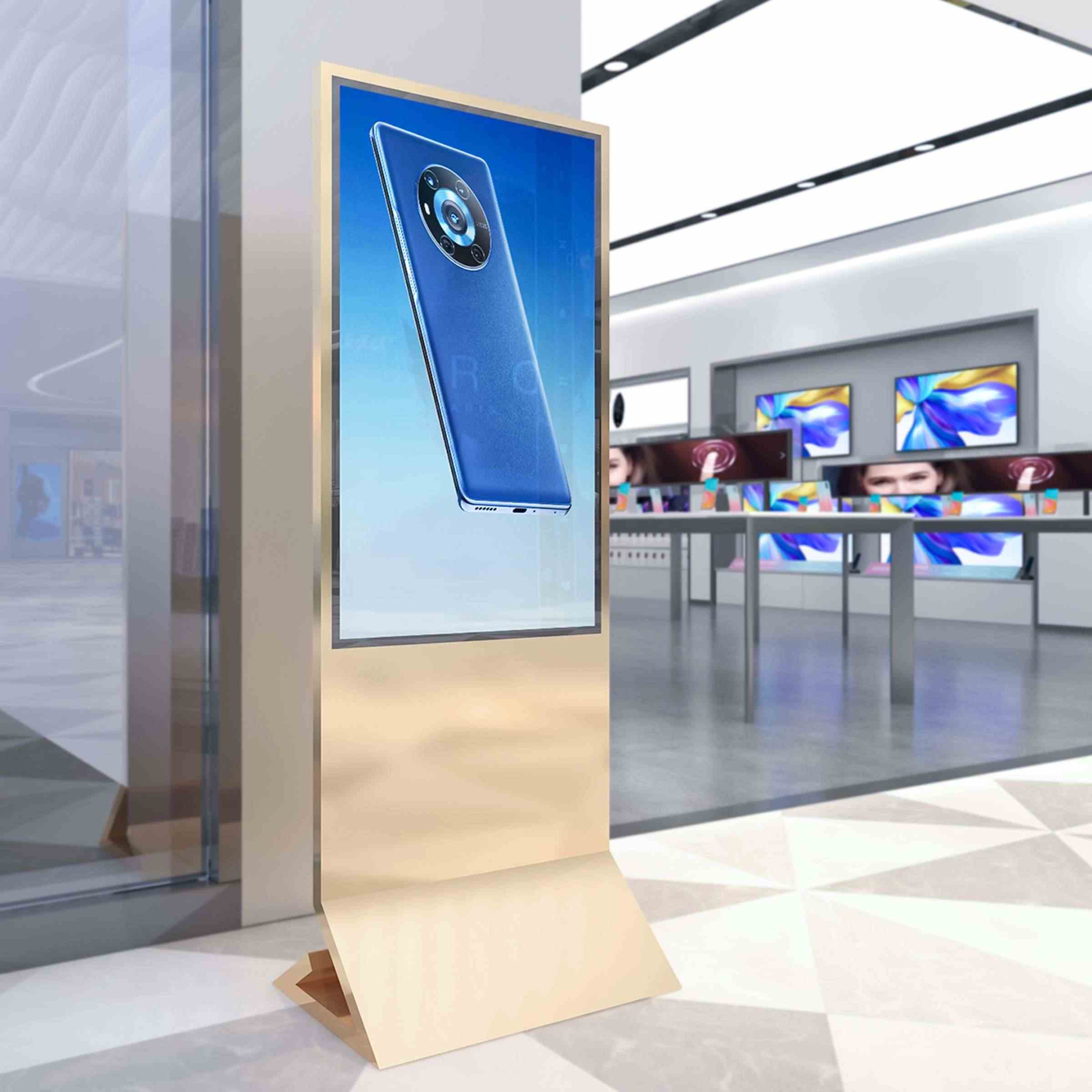
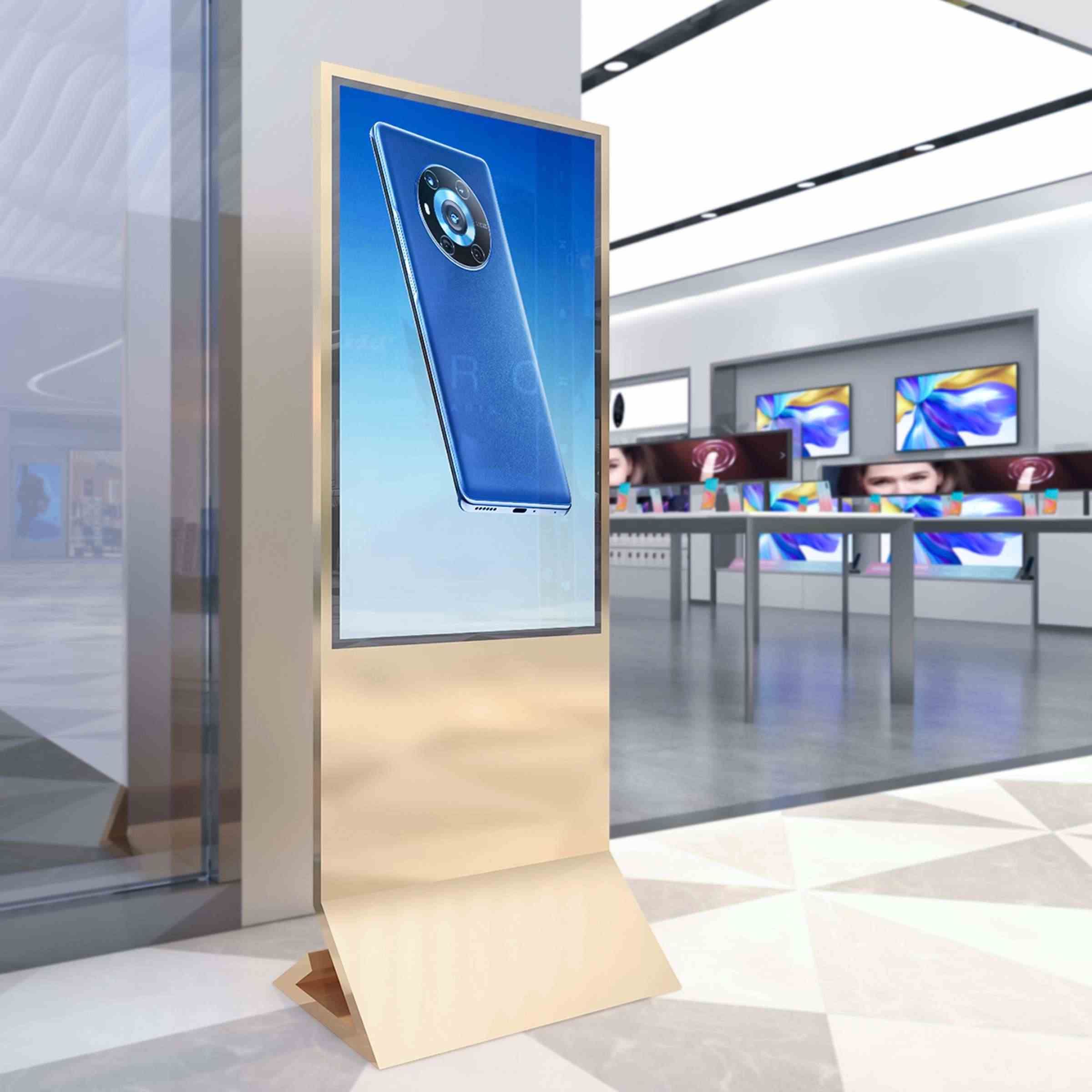
Retail spaces need the same double-check. A retail aisle sign with crisp contrast and proper luminance boosts conversions; a sagging fixture kills the brand feel. Use wayfinding hierarchy and materials rated for indoor environments. For bigger stores, consider ongoing illumination audits and a lifecycle plan for LEDs and power supplies. If you’re fitting a mall or boutique, the same lessons apply to custom signage for retail store projects — think about mounting, materials, and service access from day one.
Common mistakes to avoid
Teams often under-spec brackets, skip vibration testing, or assume LEDs last forever. They also forget to map sightlines at night — missing how shelf reflections or storefront glass affect contrast. Another error is siloed responsibilities: facilities handle structure, marketing handles visuals, and nobody owns audits. Fix that with shared KPIs and a service schedule that covers both structural inspections and illumination checks — small effort, big payoff.
Three golden rules for choosing the right approach
1) Measure both mechanics and optics. Track structural load factors and track luminance levels on the same calendar. 2) Design for maintainability: modular fixtures and accessible mounting hardware cut downtime. 3) Require proof: demand stress reports and illumination logs before sign acceptance. These are practical metrics you can verify on site and in documents.
.jpg)
Real-world wins come from combining engineering and visibility checks — that’s the practical edge Cosun Sign brings to projects where people need fast, reliable guidance. Cosun Sign. —