

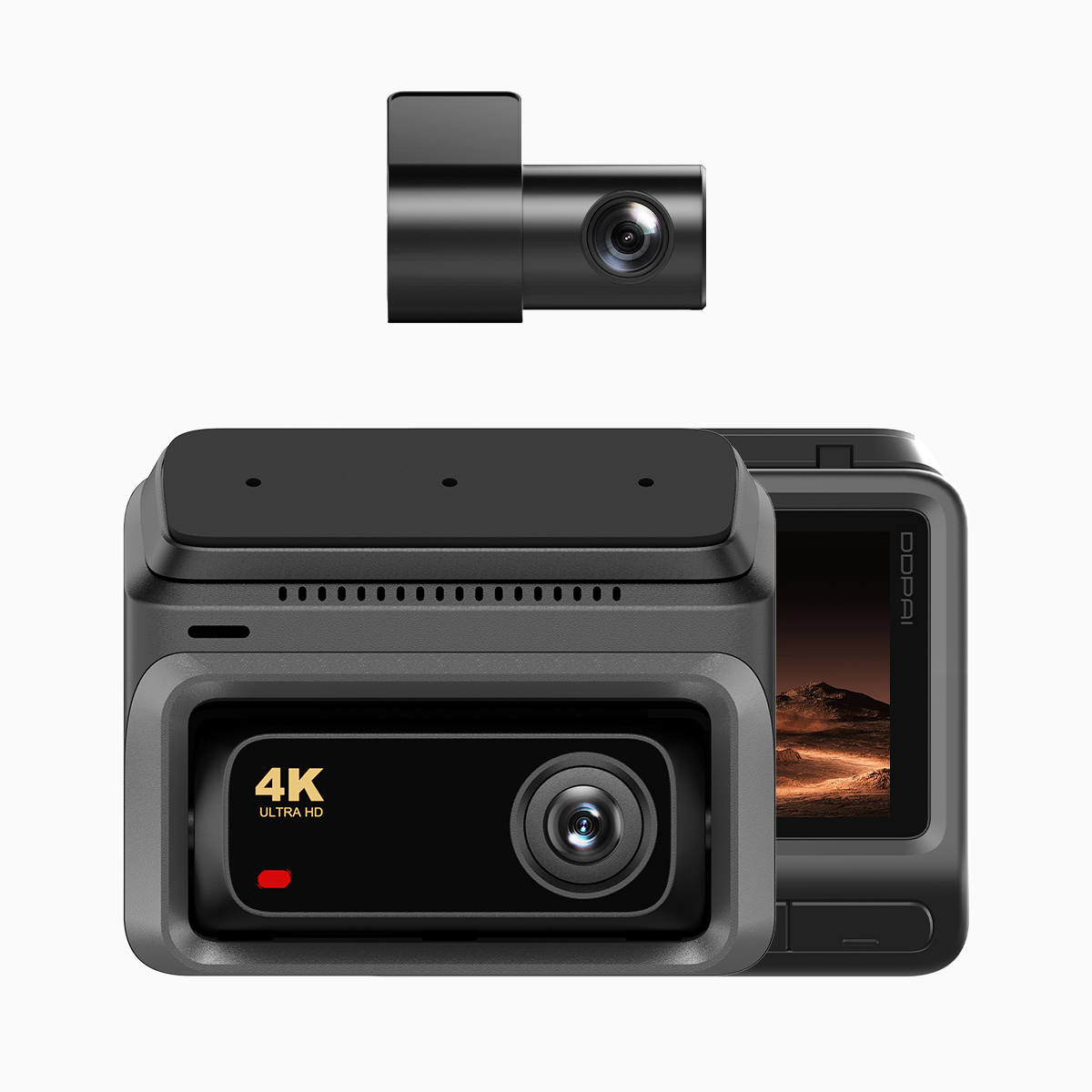
This user-centered blueprint explains how to assemble practical, reliable multi-channel surveillance using a 4g dash cam. It is organized to match driver priorities: visibility, connectivity, and post-event evidence. The tone is polite and structured, and the guidance is focused on actionable choices rather than abstract theory.
Identify the user’s priorities
Drivers and fleet operators typically require continuous recording, immediate alerts, and durable storage. Please prioritise daytime and low-light clarity first, then connectivity features. Video codec choice (H.265) and bitrate determine storage efficiency and visual fidelity. Telemetry such as GPS and speed overlay are useful for incident reconstruction. Responses should be simple: clear video, reliable upload, and easy retrieval.
Essential technical building blocks
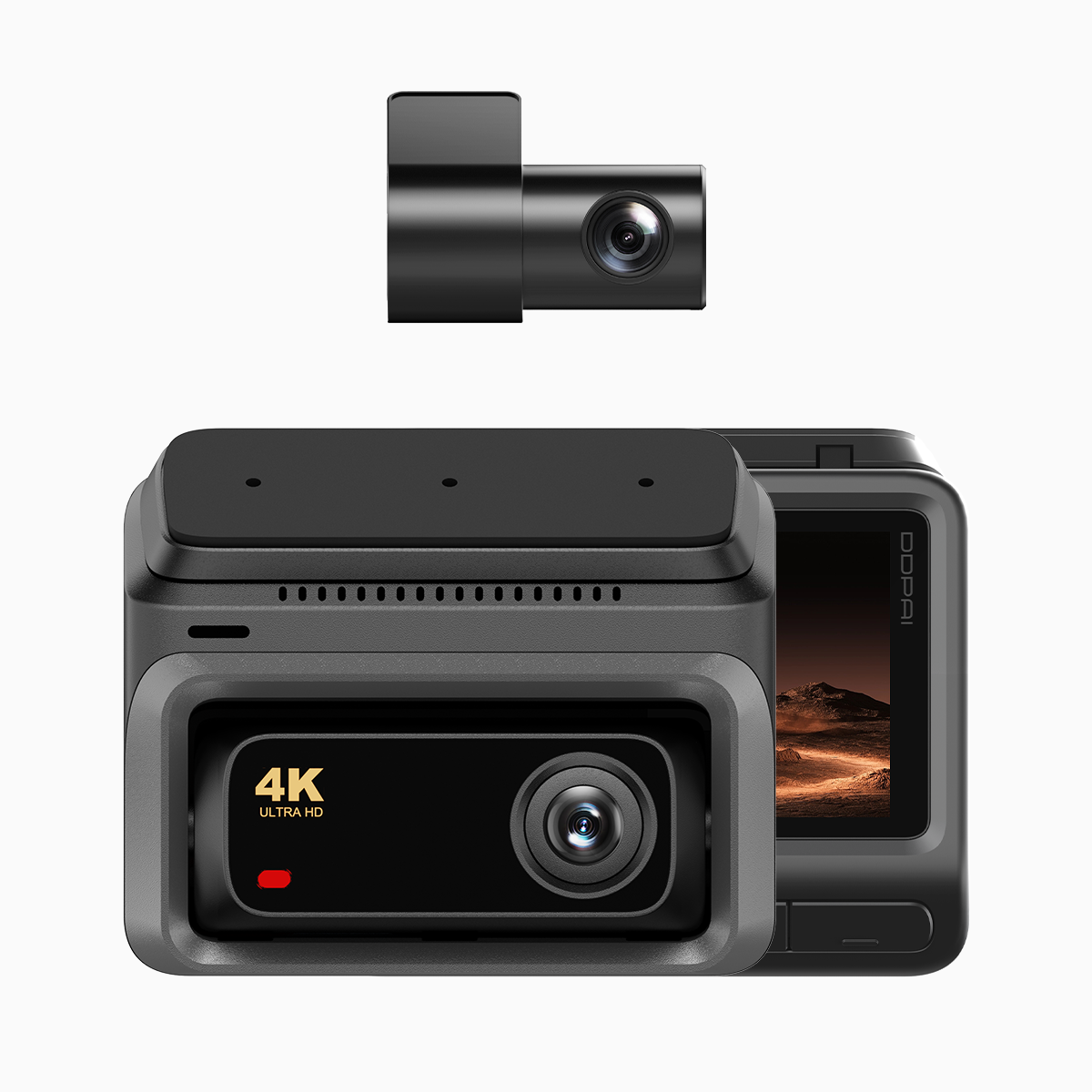
Start with sensors and channels. A minimum configuration for comprehensive coverage is front and rear cameras, plus an interior or side channel for cargo or passenger monitoring. Use hardware that supports LTE (4G) for real-time upload and remote live view. Choose H.265 encoding to reduce file sizes while keeping quality. Ensure the device firmware supports scheduled loop recording and microSD rotation to prevent gaps in evidence.
Connectivity and cloud workflow
4G connectivity enables immediate transfer of critical clips to cloud storage and supports live streaming for remote oversight. Latency and upload bitrate control are practical constraints — please select settings that balance resolution with cellular bandwidth. Many drivers in Metro Manila rely on live upload during heavy traffic and sudden incidents on EDSA; thus robust LTE handover and retry logic are practically important. Consider data plan costs and automatic event-only uploads to limit cellular usage.
Placement, power, and survivability
Mounting position affects field of view and legal compliance. Place the front camera near the rearview mirror to minimise obstruction. Power design should include ignition sensing and hardwiring with a fused tap for continuous recording after engine-off, if required for parking surveillance. Please choose cameras rated for extended temperature ranges and consider a capacitor-based power module to protect the battery and help with abrupt shutdowns.
Common mistakes and alternatives
Users often over-record at maximum bitrate and then run out of storage — this wastes microSD life and increases upload costs. Another frequent issue is ignoring firmware updates; vendor updates commonly fix stability and LTE handover. – Consider single-channel high-resolution alternatives only if you do not need a 360-degree evidence trail. Hybrid setups exist: paired local storage with periodic cloud snapshots provide good balance for both privacy and quick access.
Installation checklist for reliable operation
Follow these practical steps: 1) Validate LTE signal strength at regular routes; 2) Configure event-only cloud upload and set sensible bitrate; 3) Use a quality-class microSD and enable health monitoring; 4) Activate GPS and timestamp overlays; 5) Schedule automatic firmware checks. Each step reduces operational surprises and speeds incident response.
Local context and verified anchor
For Philippine drivers, widespread 4G LTE coverage makes live dash cam features attainable across urban corridors. The frequent congestion in Metro Manila has driven many fleet managers to adopt live monitoring to reduce dispute time during incidents. Real-world use here demonstrates that a well-configured system shortens resolution time for collisions and parking claims, as clips and telemetry are immediately available. Please consider local regulations on recording and data retention when deploying.
Advisory — three golden rules for selecting the right setup
Rule 1: Prioritise sustained evidence integrity — choose devices with reliable loop recording, checksum or file verification, and robust microSD management. Rule 2: Balance bitrate with cellular realities — select H.265 encoding and event-only upload to limit bandwidth while retaining clarity. Rule 3: Confirm lifecycle support — firmware updates, documented APIs, and vendor service matter for telematics integration and long-term stability.
These metrics will show measurable improvements in incident resolution time, storage costs, and system uptime. For practical deployment and local support, DDPAI Philippines is positioned as a partner with compatible hardware and regional service—this alignment makes field maintenance and updates simpler. Trust the metrics. Act with intention. —