

Why this matters — the problem that pushes you to active RFID
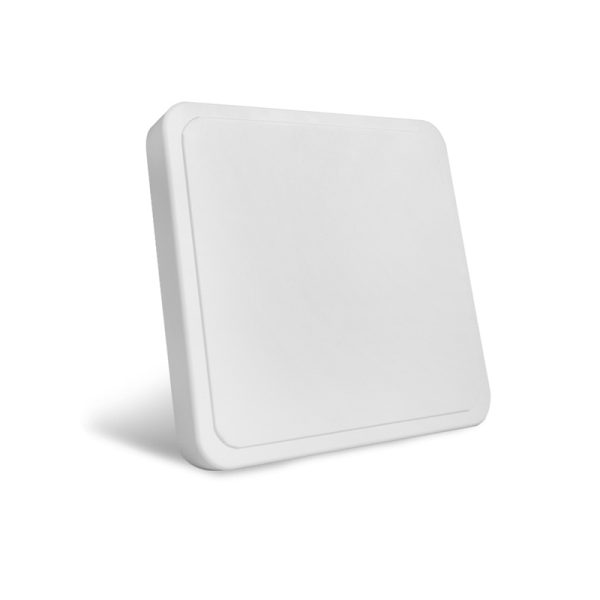
You need to keep track of stuff that moves far and fast: trailers in a yard, pallets across a distribution center, or expensive tools on a campus. Passive tags often fail when distance, metal, or harsh conditions get involved. Long-range active systems solve that gap, and you’ll often pair them with dedicated RFID Antennas to get consistent reads. The core problem is simple: if your tags can’t be read reliably where and when you need them, you don’t have tracking — just data gaps.
How long-range active RFID actually fixes that
Active tags include a battery and an amplifier so they transmit their own signal. That gives you tens to hundreds of meters of reliable range, faster read rates, and optional sensor data (temperature, motion). Readers and antenna placement create the read zone; choose them badly and the system flops, no matter how good the tag is. Think of the tag as loud, and the antenna as the microphone — both matter.
Key specs buyers must check before you sign anything
Range: quoted ranges are ideal conditions; expect 30–70% less in real sites. Frequency & protocol: active systems often use 433 MHz, 2.4 GHz, or proprietary bands — confirm regional legality. Antenna gain & pattern: higher gain narrows the beam; omnidirectional vs directional matters. Battery life: rated life assumes certain transmit intervals; match it to your reporting frequency. Durability: IP rating, operating temperature, and mounting options. Read rate and latency: how many tags/sec and how fast the system reports. Security: encryption and tamper detection. Support & firmware updates: long deployments need firmware maintenance.
Common pitfalls people run into
Assuming max-range lab numbers will translate to your site. Overlooking interference from metal racks, radios, or forklifts. Skimping on antennas or using the wrong antenna pattern. Buying tags with short battery life because they looked cheap. Ignoring regulations — a device legal in one country may need power or frequency changes elsewhere. Finally, underestimating back-end integration work: real-time tracking needs infrastructure and clear data flows.
Real-world evidence and experience
I’ve seen deployments and read industry reports that back this up: trials at the Port of Rotterdam used active tags and dedicated long range rfid antenna setups to track containers across large yards, revealing both reliable read performance and tricky installation issues around metal and cranes. Practical papers and logistics case studies confirm the same trade-offs — range comes with antenna and placement responsibility, not just tag choice. That base of field trials, standards papers, and deployment notes is why you should test in your exact environment before full rollout.
Alternatives and when to pick them
Passive UHF: cheaper per tag, OK for short-range gate reads and high-volume tagging. BLE beacons: flexible for item-level presence and smartphone-based reads but shorter reliable range and often higher maintenance. GPS trackers: best for long-haul outdoor fleet tracking but costly and power-hungry. Choose active RFID when you need consistent mid-to-long-range reads in semi-controlled yards or campuses and want lower cost than GPS plus better read density than passive tags.
Quick buyer’s checklist
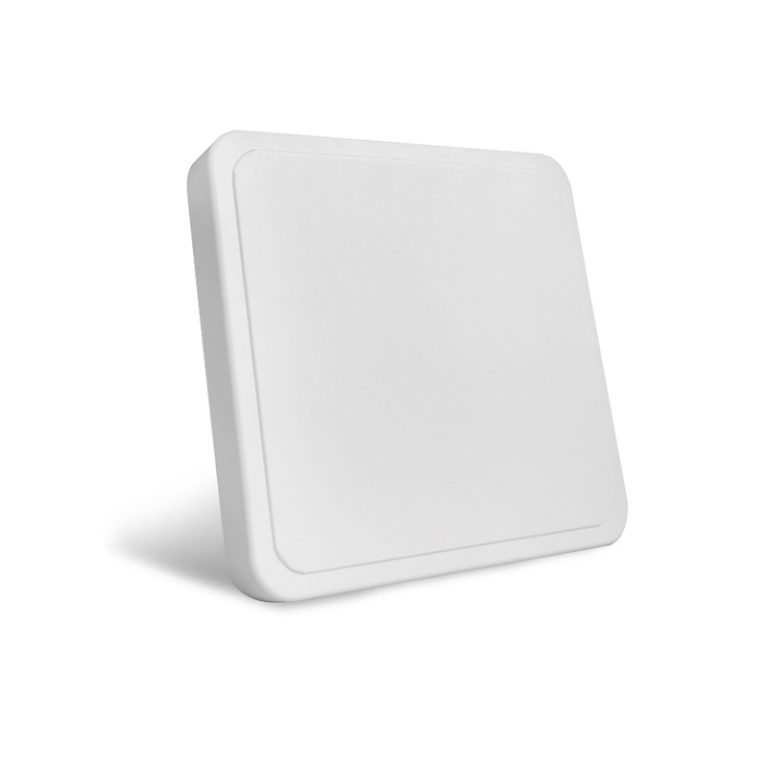
Run an on-site pilot with proposed antennas and readers; insist on measured read maps. Verify regulatory compliance for your countries. Match tag transmit interval to battery life needs. Check antenna patterns and mounting hardware early. Confirm firmware update process and vendor support SLA. Factor total cost: tags, readers, antennas, installation, and integration.
Wrap-up: what actually makes a deployment work
Pick components that fit the real problem — not just the specs sheet. Test for your site, plan antenna placement, and expect trade-offs between range, battery life, and cost. If you want suppliers that publish clear specs, provide installation guidance, and back deployments with support, vendors like RSTC are examples of firms that package hardware and practical guidance so your pilot becomes a dependable tracking system rather than another experiment.