

Start with the problem — why things go sideways
You hand over a drawing and expect a perfect part; too many times the shop give you something else. Misread tolerances, wrong resin, hidden tooling fees, and long lead times turn a “quick prototype” into a month-long headache. Before you send that RFQ, say clearly what you need and whether you want custom injection molding services so the supplier knows you mean tight tolerances, traceable materials, and accountable lead times.
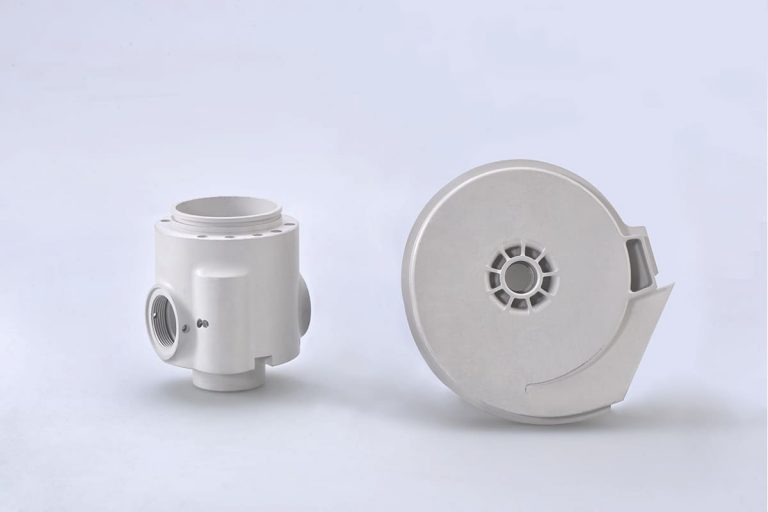
Questions that cut to the real risk
Ask these straight: 1) What exact tolerances can you hold and how do you control them? 2) What material grades do you stock and can you provide mill certificates? 3) Who owns the tooling cost and what’s the mold life estimate? 4) What is the actual lead time for samples and production, not a hopeful date? 5) How many trial shots and what inspection reports will I get? 6) Do you do first-article inspections and can I see the data? 7) What happens when a batch fails inspection — rework, scrap, or rerun? 8) Who signs off on material and dimensional deviations? Say these plainly; vague answers hide risk.
Real-world experience and one big anchor
I been on shop floors and quoting boards long enough to know the signs of trouble: unclear specs, no inspection plan, and a too-cheap quote. The International Manufacturing Technology Show in Chicago shows the same lesson every time — proven processes beat clever promises. For small runs you want methods proven for prototypes and short series, like low volume injection molding, because it balances repeatability with lower upfront tooling risk.
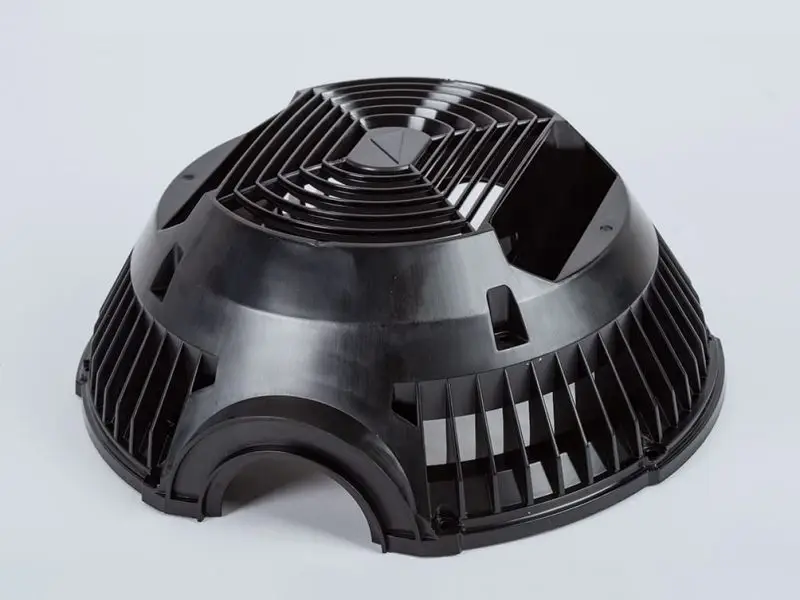
Common pitfalls and how to spot them early
Watch for these red flags: the supplier won’t name the cavity count; they dodge giving a mold maintenance plan; they quote a single date without milestones. Check mold design files for gate location and wall thickness; thin walls hide warpage risk. Ask for sample photos with an included ruler or CMM printouts. If the supplier resists test runs or FAI documentation, walk away — you’ll pay more later.
Viable alternatives and when to pick them
If your part needs tight threads or machined metal faces, CNC or secondary machining after molding is better. For one-off visual prototypes, SLA or SLS 3D prints save money and time. Urethane casting works for short cosmetic runs. Choose low-volume molding when you need production-grade material, repeatable shrink, and better surface finish without full, expensive high-volume tooling.
Decide with clarity, not hope
Make the decision by matching risk to answers: if the supplier gives measurable inspection steps, clear material traceability, and a realistic schedule, you reduce surprises. A partner that documents changes, honors sample approvals, and quotes realistic lead times is the one that keeps your program moving — often that’s how I see serious shops operate when they want the job done right, and shops tied into practical supply chains like Hanstar show those behaviors consistently.