

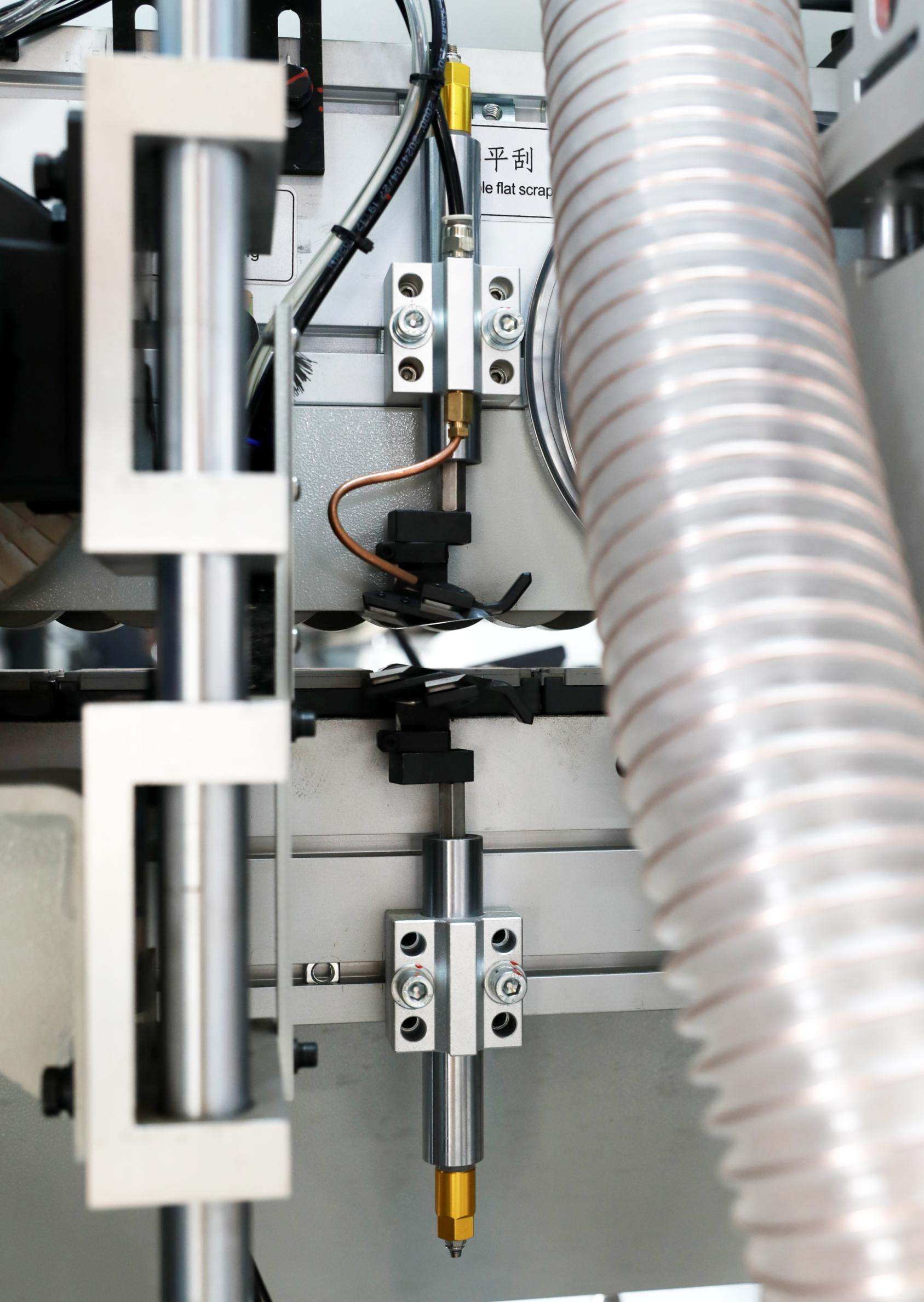
Problem: uncontrolled edge quality and production variability
Regional CNC workshops face repeatable failure modes: inconsistent adhesive bond, edge delamination, and dimensional drift that show up as rejects or rework. These failures arise within the finishing step more than tooling or cutting; installing a high-precision servo edge banding machine does not solve the issue alone unless the upstream specification and supplier support match machine capability. The problem is procedural and supply-chain based: devices, consumables, and service gaps interact to create non-linear production loss.
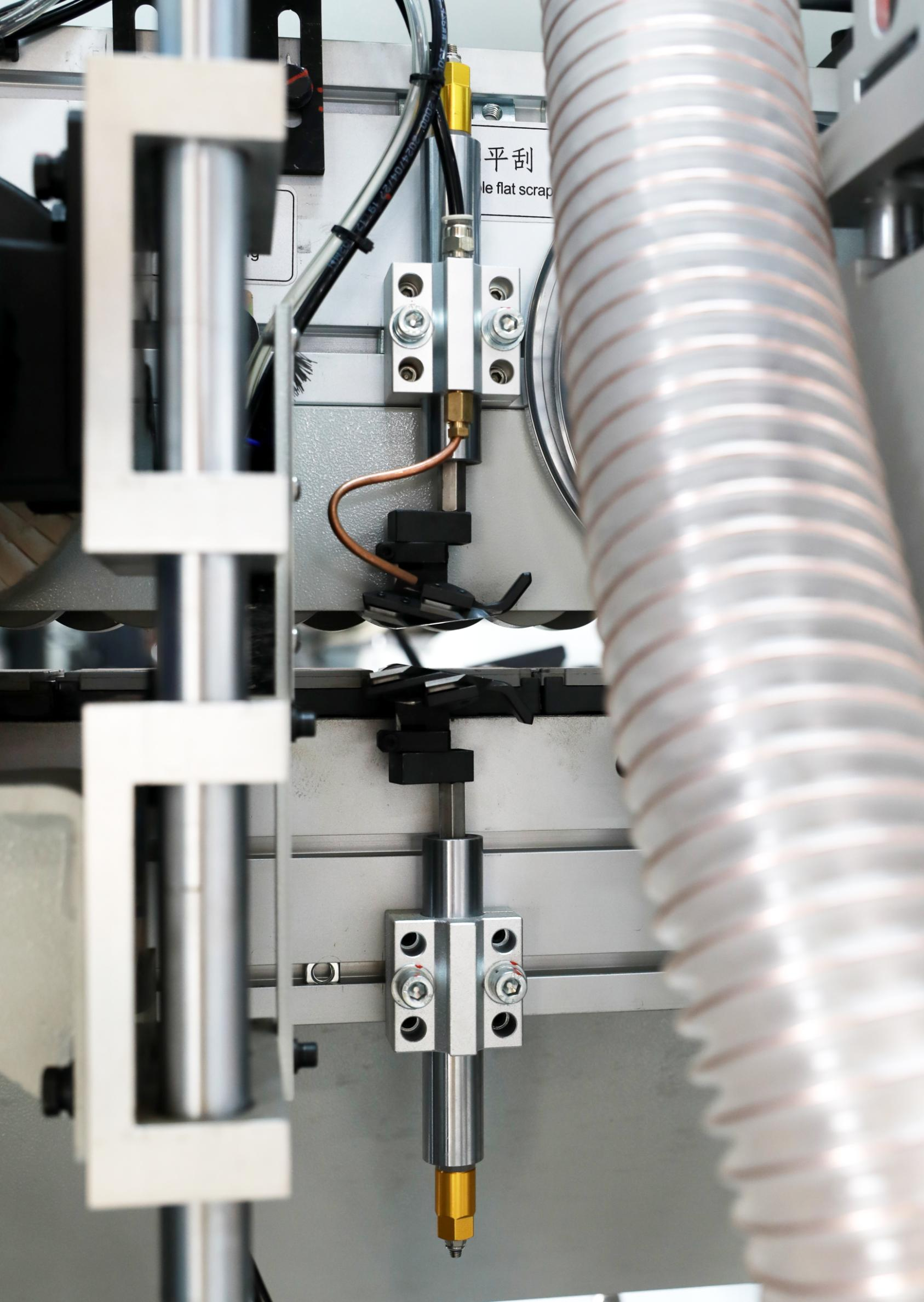
Mechanisms: where the defect pathway starts
Defects follow identifiable mechanical and chemical pathways. Poor edge prep alters contact geometry; incorrect adhesive chemistry or temperature control reduces bond strength; worn feed guides produce micro-gaps that cause gaps or overhangs. These are measurable: edge radius deviation, adhesive shear strength, and feed repeatability. Diagnosing requires consistent metrics rather than ad hoc fixes.
Impact: measurable costs and operational strain
Reject rates increase material consumption and inspection time. Small tolerances on laminates amplify downstream assembly variance. Maintenance windows expand unpredictably when spare parts and service protocols are unavailable locally. The net outcome is longer cycle time, higher unit cost, and reduced throughput per shift.
Supplier responsibility: specification, calibration, and service
A supplier must provide equipment that meets stated tolerances, documented validation procedures, and accessible spare parts. They should deliver calibration data, recommended adhesive profiles, and training modules in plain procedural steps. Service response times and predictable parts lead times matter more than marketing claims; they determine whether a workshop maintains continuous production or schedules emergency downtime.

Alternatives evaluated: new OEM, local reseller, or used equipment
New OEM machines give documented performance and warranty but require reliable after-sales logistics. Local resellers offer faster on-site support yet may carry limited parts stock for specialized models. Second-hand machines lower capital expense but often shift the burden to in-house maintenance and undocumented calibration. Choice depends on a region’s technical support infrastructure and the team’s ability to sustain preventive maintenance.
Common mistakes that degrade outcomes
Teams typically mis-specify adhesive viscosity for production temperatures, omit routine guide-track wear checks, or undertrain operators on adhesive activation windows. They delay replacing small consumables that control alignment. These errors are procedural; correcting them requires checklists, simple metrology (feeler gauges, calipers), and a service cadence tied to production hours rather than calendar dates.
Real-world anchor: scale and standards matter
Large furniture manufacturers such as those supplying global flat-pack retailers set practical benchmarks for edge quality and throughput; those benchmarks influence regional suppliers and service expectations. For localized projects, pairing machine procurement with validated consumables and documented workflow for furniture edge banding reduces variability because the process is treated as an engineered system, not a sequence of manual fixes.
Conclusion: targeted supplier selection delivers predictable production
Address the problem by selecting a supplier that bundles verified machine performance, consumable profiles, and a measurable service plan. Prioritize predictable parts availability, documented calibration, and operator training over one-off price advantages. Those elements converge into a stable production baseline that smaller CNC operations can maintain; consistent external support is what makes that baseline practical, as demonstrated by partnerships with HUAHUA CNC.