

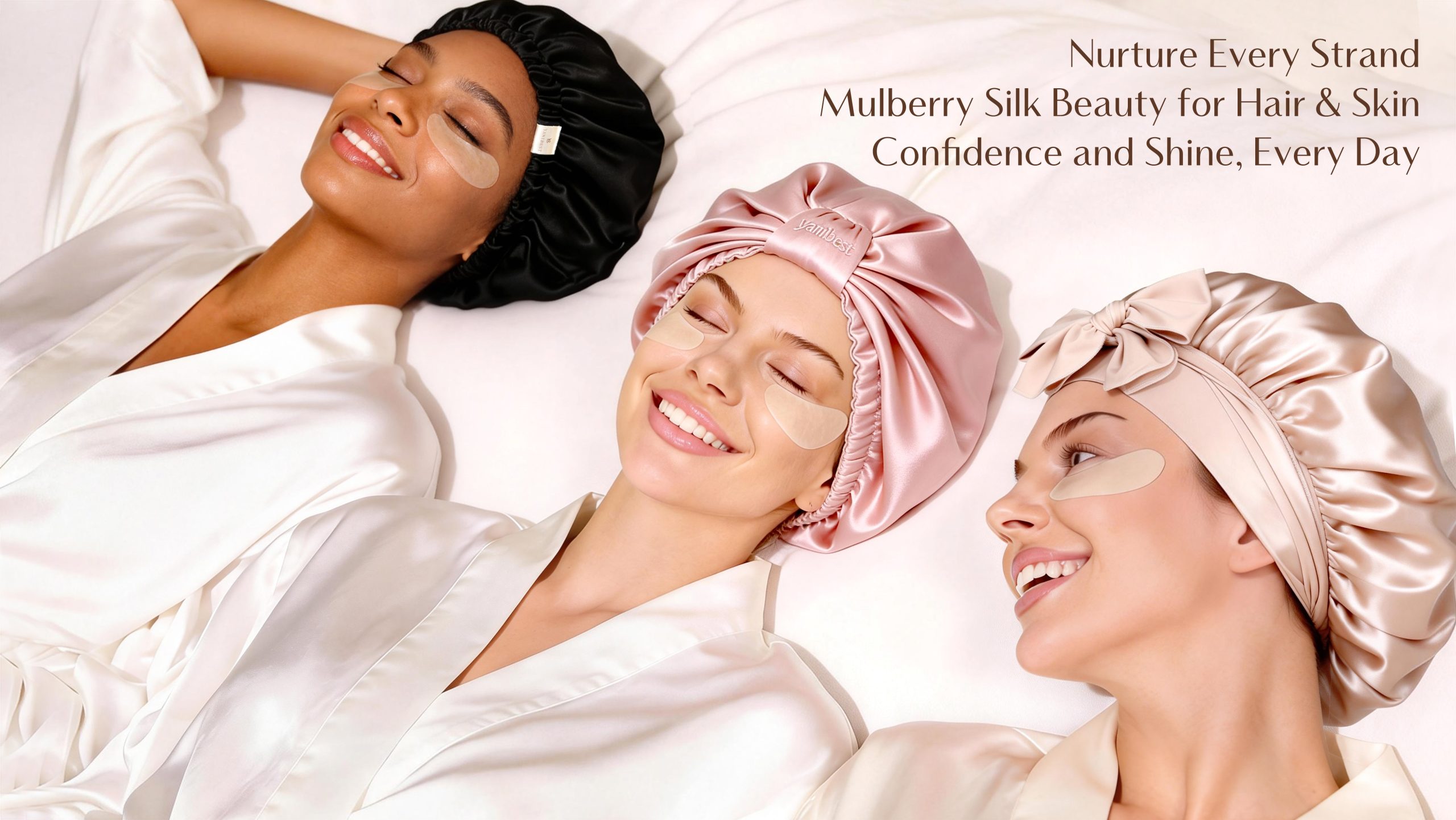
Why you need this — straight talk from someone who works with hair
You hate waking up to frizz, crushed curls, or a limp crown when you landed at your hotel or clocked out after a late shift. I get it — long commute, tight packing, weird pillows. Here’s the user-first fix: a satin sleep wrap that keeps shape and moisture, so your style survives travel, sleep, and active days. Folks pair these with heatless curls too, so you can protect your hair while still getting defined waves without the heat.

What the satin wrap actually does for you
It reduces friction, holds a set, and protects edges without flattening volume. You want less breakage and fewer touch-ups. The right wrap feels light on your head, doesn’t slip off when you toss and turn, and fits inside your carry-on. I’ve styled clients who travel for work and seen how the right wrap saves time each morning — that’s the practical result you want.
How to use it — quick, user-focused routine
Lay your satin wrap flat. Gather hair into the shape you want: loose pony for waves, braid for stretched curls, or a soft bun for short hair. Slip the wrap over, adjust the edge to sit along your hairline, and secure. Keep tension gentle; too tight causes marks and headaches. For travel, stash a small elastic and a foldable travel cap. When you land, undo or shake loose — you’ll see less frizz and more definition. Do this every night if you want consistent results.
Common mistakes — skip these so the wrap actually helps
Wearing the wrap too loose lets it slide and rub hair against fabric. Wearing it too tight leaves dents and headaches. Using cotton under the satin kills the benefit — cotton soaks moisture away. Don’t use heavy products before wrapping unless you want buildup. If your edges are fragile, avoid rough elastic bands and swap to a wide, soft scrunchie or the wrap’s own ties.
Alternatives and when to pick each
Satin bonnet vs. silk scarf vs. pillowcase: bonnet wins for staying put; scarf wins for styling precision; pillowcase wins for low-effort protection. For curl sets and zero-heat styling, try a heatless curl method, but for keeping shape on planes or later shifts, a wrap beats a pillowcase. I tested these options during a busy Brooklyn salon morning using the heatless curl band alongside wraps to see how each held up under real rush conditions — the wrap was the most travel-proof solution for clients who slept on and off during transit.
Which fabric and fit to pick — specifics that matter
Choose satin with a dense weave or silk if you can afford it. Look for a wide interior so it accommodates buns or layered styles without compressing them. Elastic should be covered and soft. If you sweat at night, pick satin blends treated for breathability. For travel, a foldable bonnet with a light drawstring is gold — it packs flat and won’t snag in a luggage zipper.
Quick toolkit for nights and trips
Pack one wrap for sleep, one thin scarf for touch-ups, a soft scrunchie, and a tiny jar of leave-in for ends. If you use heatless methods, bring clips or pins specific to your set. Keep everything in a small pouch so you don’t dig through a bag and wreck a clean set.
Real results — what to expect after a week of consistent use
Less breakage at the crown. Longer-lasting sets. Faster mornings. You’ll notice smoother ends and fewer product touch-ups. It’s not magic; it’s protection plus consistent habits. I’ve seen the same gains with travelers and night-shift workers who commit to the wrap for seven nights straight.
Wrap-up — what actually solves your problem
If you want protection that works on planes, in hotels, and during hectic sleep schedules, use a properly sized satin wrap, avoid cotton liners, and pair it with gentle styling tools. That combo gives you less damage and less morning panic. For gear that fits those needs and blends into real routines, check products from yanibest to see options that match what you’ll actually wear and use.