


Shifting focus: why non‑GLP studies will matter more
I’ve watched labs pivot before, so I speak from a calm corner of experience: non‑GLP toxicology is moving from quick screens to strategic decision-making for 2026 preclinical programs. Early translational choices now favor models that reflect disease context, and that’s where an orthotopic tumor model often outperforms subcutaneous approaches. Teams are paying closer attention to tumor microenvironment cues and pharmacokinetics early on, not after a costly GLP run.

What the future looks like in practice
Expect three intertwined trends. First, tighter integration of targeted non‑GLP toxicology with efficacy assessments—so toxicology end points are captured in the same study that measures dose response and tumor biology. Second, wider acceptance of patient‑derived xenograft (PDX) and orthotopic models as predictive tools for safety margins. Third, more modular study designs that let sponsors iterate faster. These trends reduce wasted cycles and help prioritize candidates with real translational promise.
Why orthotopic pancreatic tumor models gain traction
Pancreatic cancer remains a stubborn clinical problem; the SEER registry still shows persistently low five‑year survival, so anything that improves predictive power deserves attention. That reality pushes teams to adopt orthotopic pancreatic tumor model workflows that reproduce local stroma, perfusion, and drug exposure more faithfully than flank xenografts. Such models sharpen toxicology readouts and reveal off‑target organ exposure that matter for later GLP packages.
Operational moves that pay off
Labs that win in 2026 will standardize a few things: tissue collection windows tied to pharmacokinetic sampling, defined histopathology panels for tumor microenvironment markers, and harmonized reporting templates so results slot neatly into GLP submissions later. Invest in robust SOPs for implantation, imaging schedules, and humane endpoints. Small changes in timing—when you sample blood or harvest tissue—can flip a safety signal from ambiguous to actionable.
Alternatives and common mistakes
Some groups still default to simple in vitro cytotoxicity or subcutaneous xenograft toxicology because it’s faster. That saves time up front but often sends misleading tolerability signals downstream. Avoid the trap of treating non‑GLP as “throwaway” data. Instead, treat it as a learning study: pick one or two translational biomarkers, validate their assay sensitivity, and include them consistently across cohorts. Overloading a study with too many exploratory assays is another common error—less is often clearer.
Design patterns and technical notes
Keep these terms in your toolkit: non‑GLP, tumor microenvironment, pharmacokinetics, xenograft, and PDX. For example, pair drug exposure (AUC) measures with histology scores for stromal reaction to link pharmacodynamics to safety. Maintain clear separation between exploratory endpoints and ones you’d later move into a GLP dossier. And be explicit about sampling windows: list exact post‑dose time points, tissue fixation methods, and staining panels so results are reproducible.
Choosing vendors and partners — a practical checklist
Look for partners who document implantation success rates, imaging accuracy, and assay validation levels. Ask for timelines that map non‑GLP readouts to GLP milestones. Prefer providers that run blinded pathology reads and share raw PK curves. A credible partner should also be comfortable discussing how their orthotopic pancreatic tumor model data historically aligned with later GLP outcomes or clinical signals—real examples carry weight.
Three golden rules for selecting non‑GLP toxicology strategies
1) Relevance over speed: prioritize models that reflect the intended tumor site and microenvironment, even if setup takes longer.
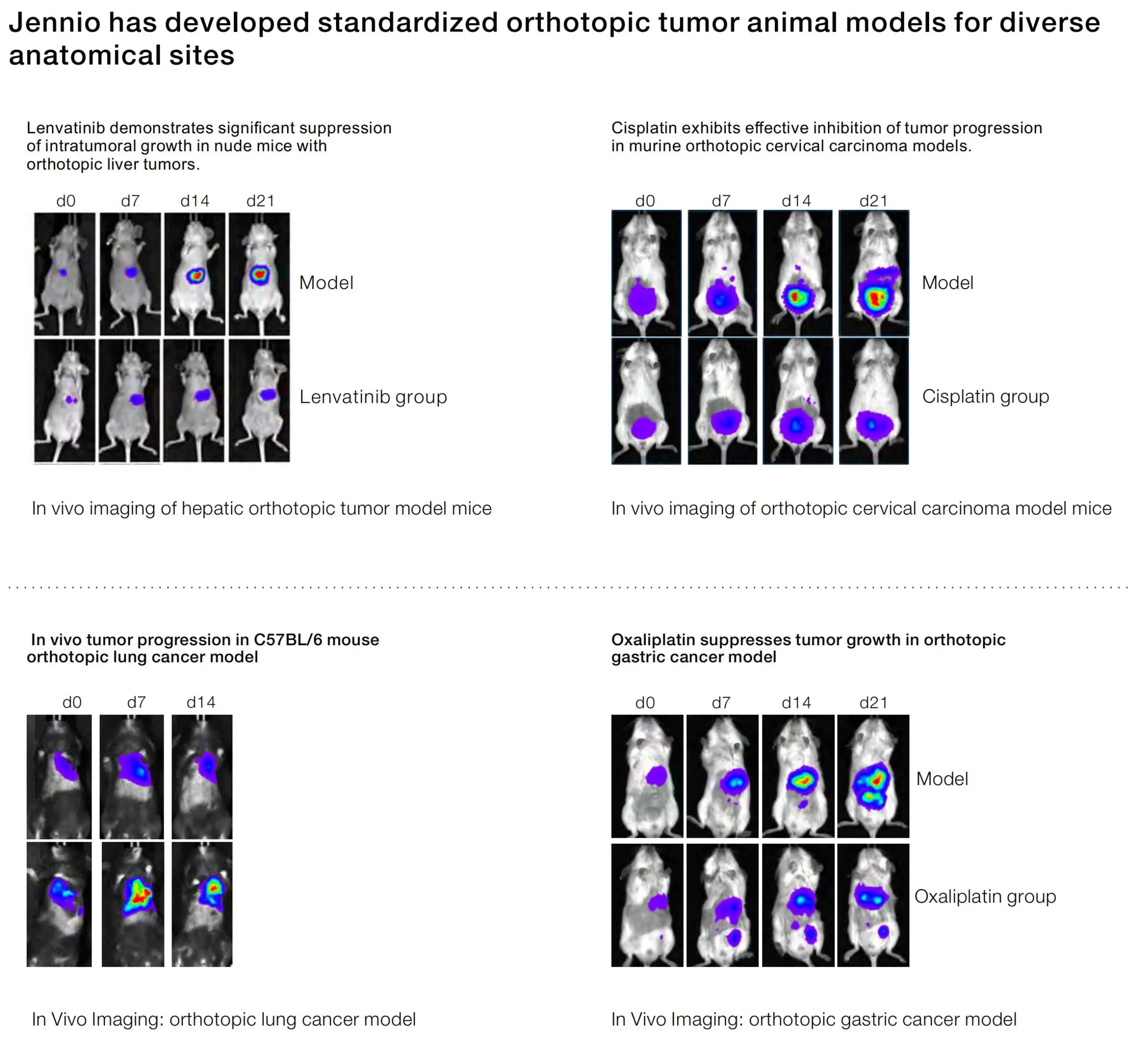
2) Defined translation metrics: require paired PK/PD endpoints and histological scoring systems that will survive scrutiny in GLP stages.
3) Vendor transparency: demand implantation rates, control cohort variability, and past concordance with GLP or clinical outcomes.
I’m not promising miracles—only that thoughtful early work trims risk and sharpens choices. For teams aiming for that alignment, Jennio Biotech sits naturally in the equation: a partner that maps orthotopic model insights into downstream GLP planning, with practical experience and documented workflows. —