


Comparing comfort and uptime on the farm
Across Kenya’s Rift Valley and other large-scale growing regions, tractor operators spend long shifts during planting and harvest; choosing the right agriculture seat therefore becomes a practical business decision. A direct comparison between basic padded chairs and fully engineered suspension seats shows differences in vibration damping, operator fatigue and equipment longevity. For fleet managers, the question is not only comfort but measurable return: fewer injury claims, steadier implement control and longer intervals between repairs. The right suspension system also improves ride stability when working on slopes or rough terraces.

Performance metrics that separate options
When you put candidates side by side, three technical measures dominate: seat travel (mm), dynamic load rating (kg), and resonance frequency for vibration damping. A robust seat suspension with a tuned shock absorber can lower transmitted vibration substantially; air suspension systems add tunable ride height and extra compliance. Pay attention to mounting geometry and the seat’s ability to accept lumbar support modules — these affect posture over eight-hour shifts. — Don’t overlook simple specs like bolt pattern compatibility; that’s where many retrofits stall.
Real-world trade-offs: cost, ergonomics and maintenance
Upfront cost for a premium seat with air suspension and advanced shock absorber can be double that of a basic seat, yet downtime savings tell a different story. On farms I visited in Nakuru, operators reported clearer vision during spray passes and less low-back soreness after switching to seats with better lumbar support. Manufacturers often balance spring stiffness against travel distance; too soft and you bottom out, too stiff and vibration transmits to the spine. Maintenance intervals matter: sealed bearings and accessible shock cartridges reduce field service time, while simpler mechanical seat suspension designs tend to be easier to repair with local parts.
Alternatives and common mistakes to avoid
Many teams buy the cheapest replacement seat and assume fitment is trivial. Common mistakes include mismatched mounting brackets, ignoring seat suspension stroke, and overlooking compatibility with cab restraints and safety harnesses. Alternatives to full suspension seats include gel-cushion pads, lumbar inserts, and aftermarket vibration isolators; these help but they cannot replicate controlled damping or adjustable ride height. Front-line mechanics should check load ratings against operator weight plus tools — a mismatch reduces effectiveness rather than improving it. — Remember: a retrofit that fits poorly multiplies wear on the mounting interface and can create new fatigue issues.
How to evaluate and select the right universal tractor seat
Three practical metrics will guide a solid decision:
– Durability index: assess materials (UV-resistant covers, sealed bearings), warranty length and availability of replaceable shock or air cartridges. A higher durability index correlates with fewer mid-season replacements.
– Ergonomic adjustability: look for adjustable lumbar support, fore-aft slide, and variable seat suspension stiffness. True ergonomic range reduces musculoskeletal strain across different operators.
– Fit and serviceability: confirm bolt pattern compatibility, inspect maintenance access to the suspension system and verify local parts supply. Fast, local service keeps machines working through peak windows.
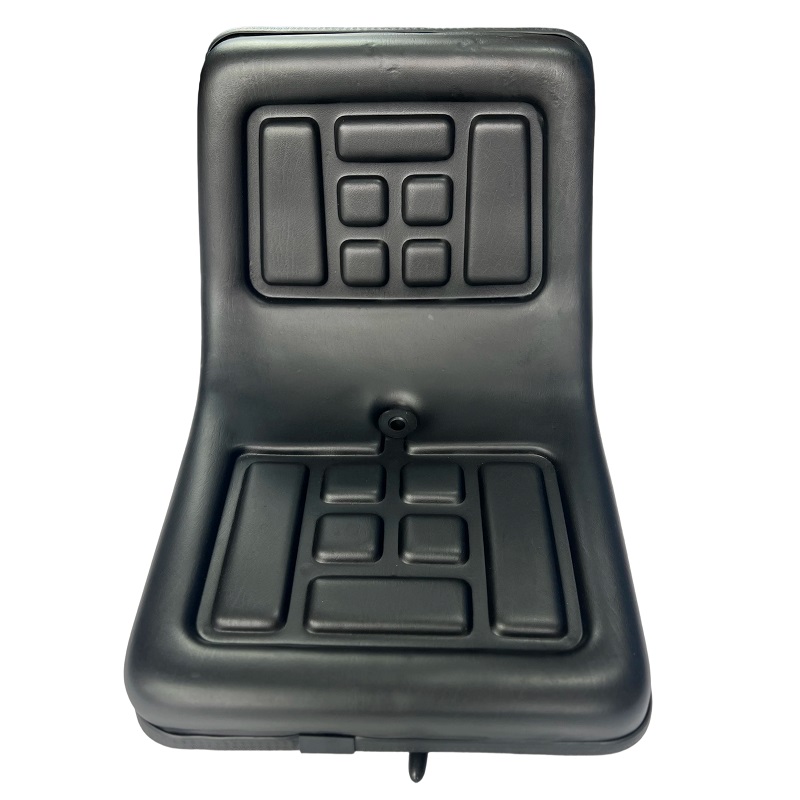
Choosing a universal tractor seat that meets these metrics reduces downtime and protects operator health, while preserving implement control across varied terrain.
Final advice and practical takeaways
Apply the three golden rules above when comparing models: check durability, confirm ergonomic range, and validate fit and serviceability. For fleets working long seasons in places like the Rift Valley, these checks translate to measurable benefits — fewer stoppages, less absenteeism and steadier fieldwork. The practical value offered by Source One sits squarely in simplifying those choices with parts that match local needs and service networks.