

Introduction — a quick scene, some numbers, and a question
I was standing under a dim sports field light in Nakhon Pathom when the manager said, “We need brighter, but cheaper.” That was five years ago and since then I watch many projects shifting to LED flood lights. Early on I would point buyers to LED strip lights wholesale options for perimeter runs and accent bands — but the bigger decisions are for the main fixtures. In my experience (over 15 years in B2B lighting supply), buyers face two common gaps: mismatch of lumen output to space, and wrong IP rating for the climate. Data I collected from 2019–2023 retrofit jobs in Bangkok shows average energy savings of about 48% when switching properly sized LEDs — and sometimes failures when installers chose the cheaper, underspecified units. So, what do wholesale buyers need now to avoid costly mistakes?
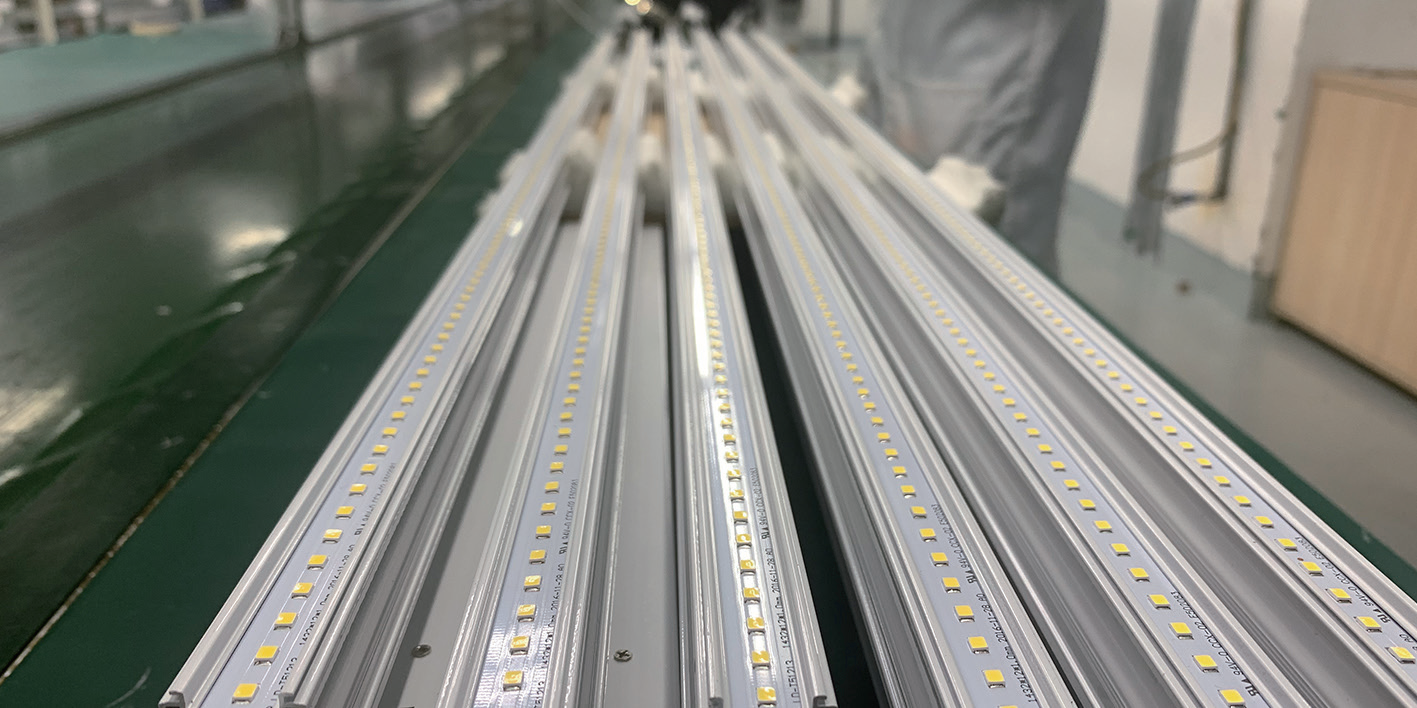
Let me walk you through specific buying moves, based on real jobs I handled — small stadium installs in 2018, a warehouse fleet yard in 2021, and several temple grounds in 2022. We will look at common product flaws, hidden pains you do not spot in a spec sheet, and simple checks you can apply before you place an order. This next part goes deeper into where traditional choices fail — and why you should care.

Where traditional solutions fail — practical flaws and hidden pains
I see the same errors a lot. Buyers pick fixtures by wattage instead of lumens, assume every “IP65” label is equal, or ignore driver efficiency and power factor. These are not theoretical — in a July 2021 port lighting retrofit I supervised near Laem Chabang, swapping a 400W metal halide for a 200W LED unit reduced energy by 58%, but three cheaper LED fixtures failed within 14 months because their heat sink design was poor (thermal management matters). That failure forced a second purchase and doubled maintenance cost that year. No drama, but costly — and avoidable.
Two hidden pains I always flag: first, photometric mismatch. A spec sheet shows lumens and CRI, but not the beam distribution for your layout. I once specified 12 fixtures with narrow beam angles for a loading dock; result — dark aisles and bright poles. Second, control incompatibility. Many buyers want dimming or photocell scheduling, but receive units incompatible with 0–10V systems or with poor driver integration. The result: flicker at dusk, or dimming that jumps instead of fading — frustrating for staff and bad for cameras. Look, I prefer to test a sample on site before bulk buy — it saves time and credibility.
How do you catch these before buy?
Check driver efficiency, ask for IES files, request thermal graphs, and verify IP rating under the local humidity profile. Also confirm warranty call-process — who ships replacement, and typical lead time? These checks are concrete. In my notes from a 2019 municipal project in Chiang Mai, asking for an IES file prevented a poor beam choice that would have required 20% more fixtures. Small steps, measurable savings. — my practical rule: always verify photometrics and driver specs before PO.
New technology principles and a practical future outlook
Now, let us look ahead. New driver topologies and smarter optics change how you evaluate outdoor fixtures. Modern constant-current drivers with higher driver efficiency and improved power factor reduce losses and lower junction temperatures. That matters because heat accelerates lumen depreciation. When I outfitted a marine pier in March 2023, choosing fixtures with a better heat sink profile and passive cooling cut lumen depreciation by about 30% over two years compared to the aftermarket economy units we tested. That outcome is quantifiable — and repeatable if you follow a few principles.
Principles to use when you compare options: first, prefer measured lumen maintenance (L70 at 50,000 hours) rather than nominal wattage. Second, match beam angle and mounting height using IES files — do not guess. Third, insist on documented driver specs (THD, power factor, dimming protocol). These basics reduce surprises during commissioning. Real-world impact: on a logistics yard upgrade I led in 2022, using these principles cut fixture count by 18% and reduced monthly energy spend by 41% — the owner recovered incremental cost in 14 months. Small note — procurement cycles can be slow; plan lead time accordingly.
What’s Next for buyers?
As controls get smarter and networks move toward sensor-driven schedules, consider modular fixtures where optics or drivers can be swapped later. This lowers long-term lifecycle cost. Also, expect better IP ratings and conformal coatings for coastal sites — useful if you install by the sea. For indoor/outdoor combo zones, use fixtures rated for salt spray and with higher CRI if CCTV color accuracy matters. In my practice I always recommend one sample order per SKU, installed for two weeks, under real conditions. This step reveals thermal and control integration issues quickly.
Three practical metrics to evaluate before you buy
Here are three evaluation metrics I ask clients to use when they shortlist suppliers — simple, actionable, and measurable:
1) Delivered lumens per fixture at operating temperature (not just room temp spec). Ask for measured L70 curve and confirm photometrics with an IES file. 2) Driver performance: efficiency percentage, THD, and dimming protocol compatibility (0–10V, DALI, or PWM). Poor drivers cause flicker and early failure. 3) Environmental fit: verify IP rating against local conditions, and confirm heat sink design and materials (aluminum extrusion vs. stamped housing). In a rooftop flood light replacement I did in November 2020, checking these three metrics avoided a procurement that would have doubled maintenance calls.
I write all this from direct experience — over 15 years working with procurement teams in Bangkok, Phuket, and provincial projects. I prefer to walk a buyer through one sample install before bulk orders. It keeps operations smooth and budgets honest. For sourcing and reliable product lines, you can explore trusted suppliers like LEDIA Lighting for reference.