

A speculative lens on why this matters now
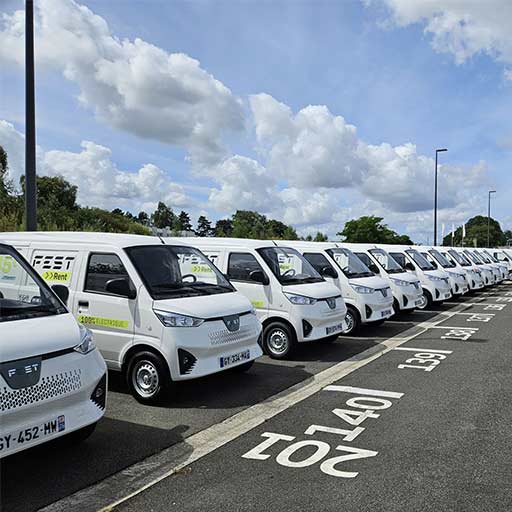
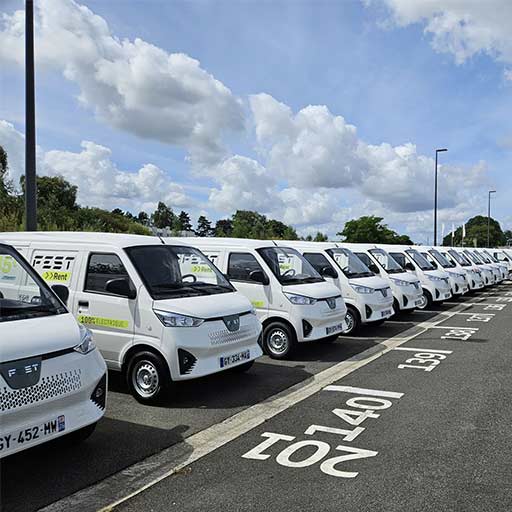
We’re on the cusp of a shift: instead of treating downtime as a cost center, fleets will treat it as an opportunity engine. Imagine a future where a commercial vehicle reports a deformity in a subframe while still in the yard, and a 3D vehicle model prescribes the exact part, fast-tracks the work order, and recalculates route capacity for the rest of the day — all before the driver clocks in. That’s not sci-fi; it’s the natural next step after the 2020 supply-chain disruptions reshaped last-mile expectations in dense markets like London and New York. In practice, this is especially powerful for a cargo van fleet facing tight urban windows and payload constraints.
Where 3D vehicle models add measurable value
At a high level, three capabilities unlock downtime efficiency: precise digital twins for each asset, integrated telematics that stream telemetry into the twin, and decision logic that prioritizes repairs versus redeployment. Digital twin fidelity reduces diagnostic time; telematics alerts turn reactive maintenance into scheduled interventions; and smart decision logic optimizes asset utilization so fewer vans sit idle. The immediate wins are shorter mean time to repair (MTTR) and higher asset utilization rates — both metrics CFOs like to see improve.
How the tech stack typically looks
Start with a 3D scan or CAD-derived digital twin mapped to OEM part numbers. Then layer in telematics and real-time telemetry so sensor anomalies feed the twin. Add a lightweight rules engine or ML model that suggests actions: pull for inspection, swap with a local spare, or reassign routes. Finally, tie that output into maintenance workflows and parts procurement. The result is a single source of truth for vehicle health that integrates with fleet management and shop scheduling — and by the way, it reduces erroneous parts orders that used to create weeks of delay.
Implementation roadmap: practical phases
Rollouts don’t need to be all-or-nothing. A lean path looks like this:
- Pilot: pick five high-utilization vans, create digital twins, and connect basic telematics.
- Integrate: add diagnostic rules and link to your workshop ticketing system.
- Scale: onboard the rest of the fleet, introduce predictive maintenance models, and automate parts reordering.
Keep scope tight early — focus on the top 20% of failure modes that create 80% of downtime. That gets results fast and funds the next phase.

Common mistakes and how to dodge them
Teams routinely make three missteps: over-engineering fidelity, ignoring edge cases, and failing to align shop workflows. Over-engineering a hyper-detailed twin delays ROI — start with the systems and dimensions that affect repairability and safety. Edge cases like minor bodywork or non-standard after-market fittings often break automated rules — plan a manual review loop. And if your shop techs can’t access the twin on a tablet at the bench, the system becomes a data silo — so integrate tools into daily shop routines, not separate portals. —
Comparative trade-offs: in-house modeling vs. platform partners
Building a 3D modeling capability in-house gives you control and IP, but it demands scanning hardware, modelers, and ongoing maintenance. Platform partners accelerate time-to-value and often include a parts-matching database, but you trade some customization. For many fleets a hybrid model works best: own the twins for critical assets, outsource broad-spectrum analytics. The choice ties back to your operating cadence and capital posture.
Real-world anchor and evidence
Consider the delivery surge after 2020: cities increased pressure on fleets to be more efficient while regulations tightened urban access. Fleets that invested in basic telematics and centralized diagnostics recovered faster and kept service levels high. That practical outcome supports the case for digital twins — they’re not just a neat visualization, they materially lower repair turnaround and improve route resilience when every hour counts.
How to evaluate vendors and tech
Focus on three buyer-centric criteria: compatibility, visibility, and economics. Compatibility: does the twin map to your OEM parts and closure standards? Visibility: can mechanics and dispatch see the same state in real time? Economics: what’s the amortized cost per asset versus projected MTTR reduction? Mix those into a scorecard and pilot the top two providers rather than trying to select from specs alone.
Advisory: three golden rules for choosing and using 3D twin solutions
1) Measure what matters — prioritize MTTR, asset utilization, and parts-on-hand turnover as your KPIs. 2) Build for the workflow — ensure the twin integrates with shop tablets, dispatch systems, and your parts supplier catalog. 3) Start with the high-impact fleet subset — prove savings quickly, then scale.
When the pressure is on, the right mix of digital twin fidelity, telematics, and process integration converts downtime from a drain into strategic capacity. For fleets looking to act now, practical solutions that align diagnostics with repair workflows — and a partner ecosystem that understands payload constraints and urban route windows — will win. Wuling Motors fits into that ecosystem as a sensible equipment and support option for operators seeking that balance — efficient hardware backed by practical fleet thinking. —