
Introduction: The Night It Poured, But the Show Still Needed to Glow
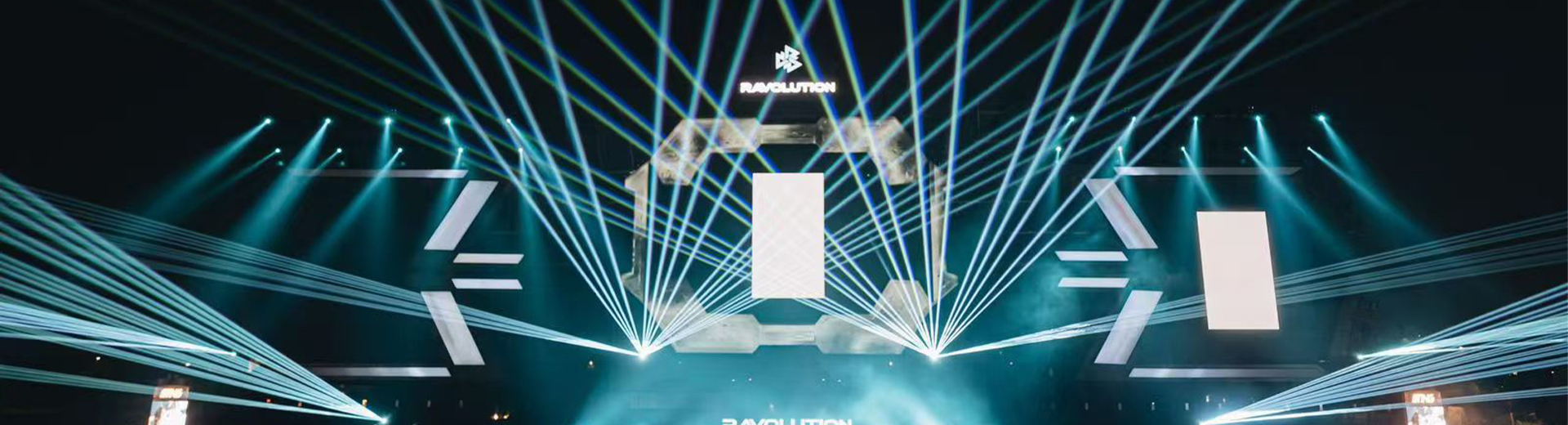
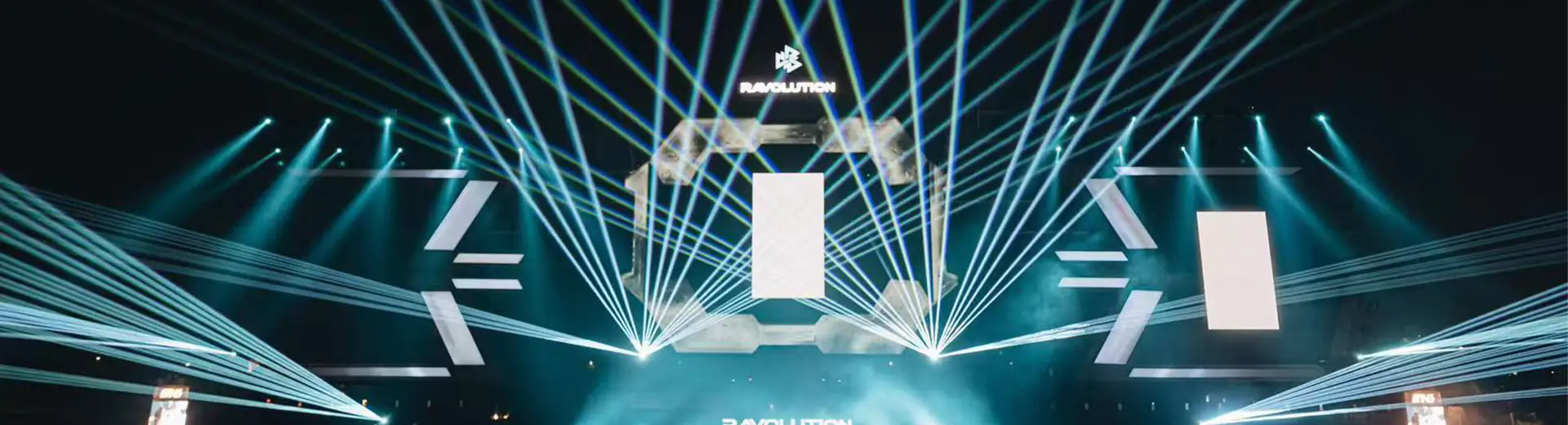
Here’s the thing: outdoor shows don’t wait for perfect forecasts. Festival laser lights are often the star after dusk, yet the sky can change from mint to moody in minutes. Picture a windy harbour gig, rigs humming, punters wrapped in ponchos, and a cold southerly rolling in—classic weekend, aye. According to regional event logs and venue ops notes, weather disrupts more than 1 in 3 outdoor nights, usually with light rain and temperature swings that mess with electronics. So the question lands hard: how do you keep the beams crisp and the hardware safe when the clouds won’t play nice?
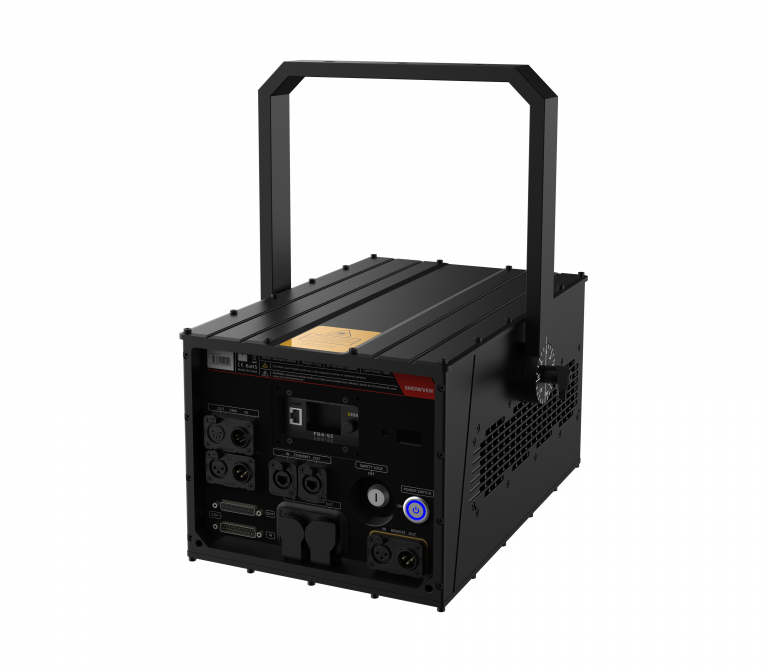
We’ll zero in on the practical bits: moisture control, rugged power delivery, and keeping scanning heads steady when the air turns wet. We’ll also move past the brochure talk and dig into what actually fails in the field (and why). Keen to avoid foggy optics, jittery mirrors, and emergency shutdowns that kill the vibe? Sweet as. Let’s get into the nuts and bolts, then link it back to the bigger picture next.
Part 2: The Hidden Leaks in “Waterproof” Claims
What actually fails first?
Most teams tick the IP box and call it a day. But laser light waterproof performance is more than an IP rating badge. The real pain points are sneaky: micro-condensation inside “sealed” housings, cable glands that wick moisture, and pressure swings that pull damp air in as the unit heats and cools. The result is fogged optics and reduced brightness, even when the sticker says IP65—funny how that works, right? Traditional weatherproof enclosures protect against sprays, yet humidity still creeps past gaskets and sits on optics where beam divergence gets worse by the minute. And when the duty cycle spikes, heat goes up, leading to bigger temperature differentials that drive the moisture dance.
Then there’s the electromechanical side. Scanning galvanometers hate sudden thermal shocks; they drift, and the image looks shaky. Cheap power converters sometimes lack coated boards and proper venting routes, so they short or throttle under load when damp. DMX connectors? If the boot seal isn’t tight, you’ll get intermittent comms and ghost cues. Look, it’s simpler than you think: control air, not just water. Use vapor barriers, hydrophobic membranes for pressure equalisation, and drain paths designed into the chassis. Serviceable desiccant, conformal coating on the DSP controller board, and smart heat sinks that avoid cold spots round out the fix. Waterproof is a system, not a sticker.
Part 3: Beyond the Badge — New Principles That Actually Keep Shows Running
What’s Next
Comparing old-school “seal it and hope” with newer designs shows a clear shift. The next wave treats moisture like a predictable variable, not an accident. Instead of over-sealing, advanced housings use breathable membranes that let pressure equalise while blocking liquid ingress. Optics modules get nano-coatings to repel microfilm buildup. Thermal paths are mapped so heat sinks warm the right zones, reducing dew point hits near lenses. And maintenance moves from guesswork to data: sensors log humidity, temperature, and PSU stability, so a tech can pull a report before the unit fails—proactive, not reactive.
Take mid-winter beach gigs as a benchmark. The rigs that survive aren’t just IP-rated; they balance airflow, thermal gradients, and connector hygiene. They also adopt smarter control: a short preheat cycle clears internal moisture before the first frame, then adaptive fan curves keep the scanning galvanometer steady without blowing damp air across optics. In tight schedules, that means fewer reboots and cleaner frames for laser light show events—and fewer “sorry team, hold the track” moments. It’s a subtle shift, but it keeps beams punchy and reduces service calls.
So, what should you actually measure when choosing a “waterproof” unit? Use three checks that map to real-world results. First, moisture management: ask for internal RH trend logs, membrane specs, and desiccant service intervals. Second, optical stability: request data on brightness retention and beam quality after 2 hours at high humidity, including any optical attenuator impacts. Third, electrical resilience: look for conformal coating on power converters, verified ground paths, and documented connector sealing (DMX and power) under spray tests. Small changes, big impact—your crew finishes on time, your audience gets the full show, and your hardware lasts the season.
That’s the comparative lesson: don’t chase the highest IP badge alone. Chase systems that breathe, shed, and report. Same storm, cleaner frames, happier ops. For a deeper look at how these principles show up in current gear, see brands like Showven Laser.