

Introduction
Have you ever waited at a charging bay and felt the day slip away? Recent surveys show many drivers lose time to slow or unreliable chargers, and that frustration is shaping demand. In real-world fleets and urban garages, an all in one charger is now expected to do more than top up a battery — it must be reliable, fast, and smart. (Consider a weekday morning commute: one failed charge can cascade into missed meetings and stress.) Given rising EV adoption and tighter schedules, what should designers and operators prioritize next? This piece moves from that question into a closer look at technical gaps and user pain points, then forward to practical principles for better stations.
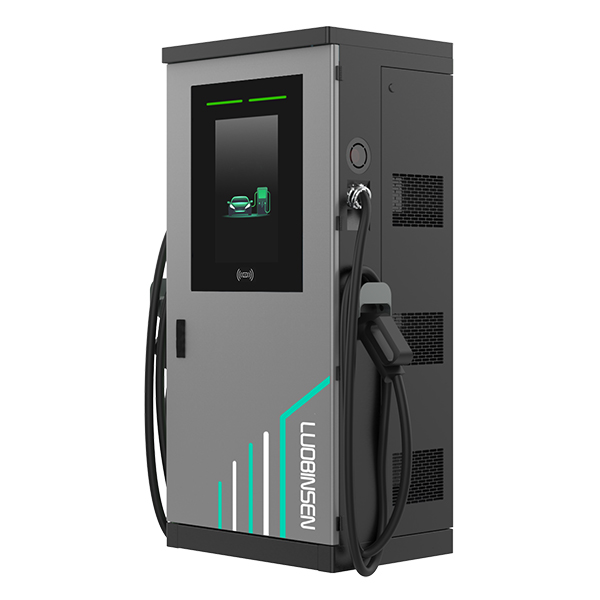
Why Current Fast Charging Systems Fall Short
I want to be blunt: many systems on the market trade short-term speed for long-term usability. Early in my work with fleets and depot teams I kept hearing the same line — “It charges fast, but it breaks fast.” Now when we talk about a fast charging ev charger, we must look beyond headline kilowatts. The hardware often relies on power converters that run hot and need frequent service. Meanwhile, DC fast charging protocols and the battery management system (BMS) in vehicles don’t always talk smoothly. The result? Higher downtime, extra cost, and frustrated drivers. Look, it’s simpler than you think: if the converter or controller fails, the whole point of speed is lost. — funny how that works, right?
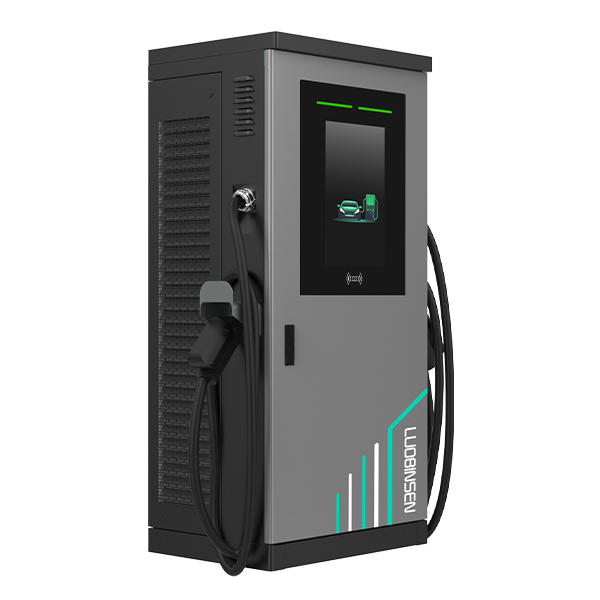
What’s failing?
First, many solutions bolt components together without a systems view. Isolated fast chargers, separate billing systems, and ad-hoc communications create friction. Second, thermal design is often an afterthought; power electronics suffer when heat builds up. Third, software interoperability gaps — between charger firmware, the BMS, and the site management platform — create unexpected cutoffs or derating during peak demand. I’ve seen operators patch these problems with manual workarounds. That patchwork raises operational risk and eats margin. For fleets and public hubs, uptime matters more than spike speed. We must reframe success metrics to include reliability, maintainability, and user clarity, not just kW numbers.
Principles for Next-Generation Electric Vehicle Power Stations
What if we designed the station from the driver’s point of view and from the service team’s toolkit at the same time? Modern all-in-one systems can unify power conversion, thermal management, and communications. At the core, modular power converters and standardized communication stacks reduce single points of failure. When I explain this to clients, I stress simple things: component redundancy, remote diagnostics, and clear UX on the charge screen. These reduce downtime and restore trust. The electric vehicle power station should be a predictable, diagnosable asset — not a black box. — and yes, it matters.
What’s Next — real-world impact?
We’re already seeing pilots that pair intelligent load management with edge analytics. A station that senses grid conditions and adapts output avoids unnecessary stress on the grid and on batteries. So, instead of pushing maximum power blindly, the system optimizes charge curves in concert with the vehicle’s BMS and the site’s energy profile. The benefits are measurable: fewer service calls, longer module life, and a calmer user experience. I’ve watched one depot cut unscheduled maintenance by nearly half after swapping to modular chargers with remote firmware updates and predictive alarms. That’s the kind of result that convinces procurement teams.
Three Practical Metrics to Evaluate All-in-One Chargers
If you’re choosing a solution, here are three evaluation metrics I recommend (use them as your checklist):
1) Proven uptime and maintainability: Ask for field MTBF (mean time between failures) and mean time to repair. If a vendor can’t provide numbers, be wary. 2) Interoperability and standards support: Ensure the charger speaks open protocols and works with common battery management systems and smart grid interfaces. 3) Thermal and power design transparency: Look for modular power converters, active cooling, and clear service access. These three metrics help you balance speed, cost, and reliability in the long run.
In short, I believe the future of charging is not about raw peak output alone. It’s about integrated design that respects the driver, the vehicle, and the grid. We can build stations that are fast, durable, and simple to operate. If you want a partner that understands both field realities and technical depth, check the market — and consider vendors that show real test data and field references. For further reading and solutions, I recommend exploring offerings from Luobisnen.