

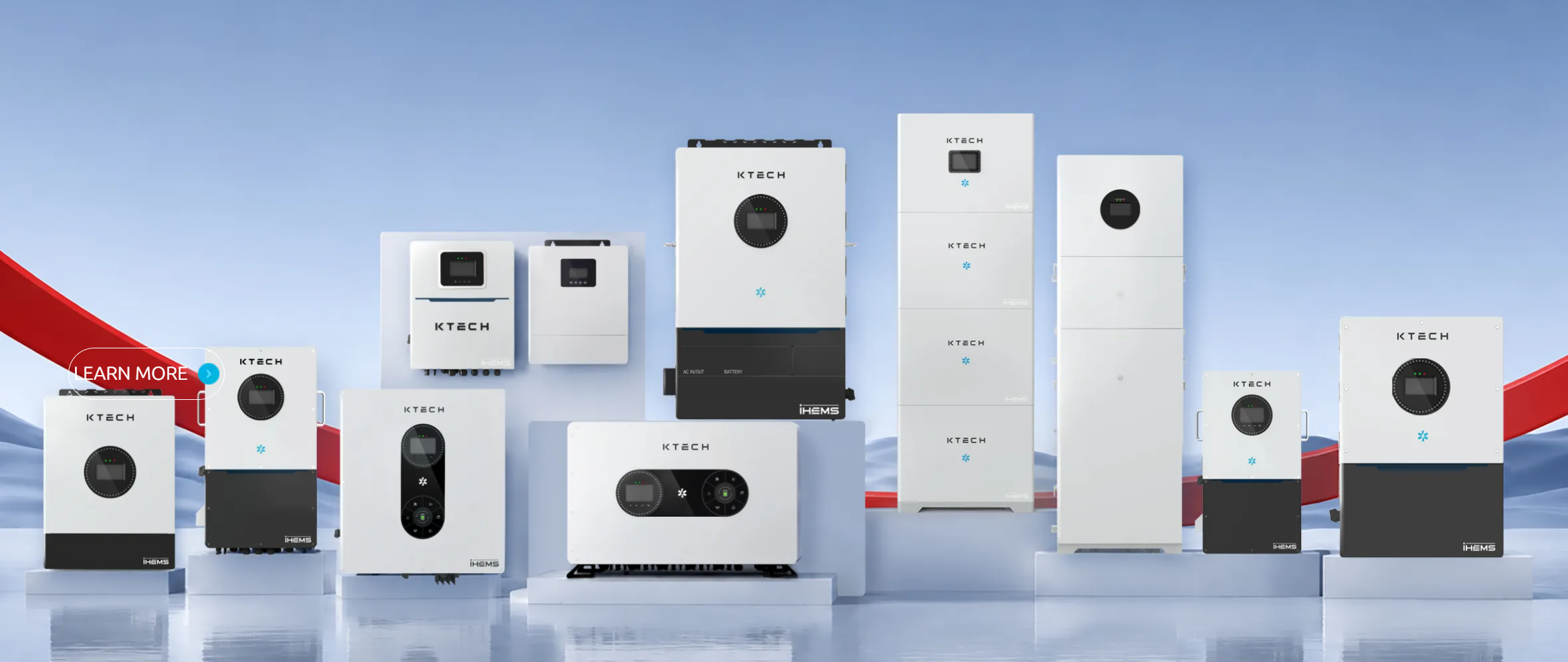
When you need lights, a fridge and a router to keep running without a utility connection, an off-grid inverter is the device that makes that simple goal realistic. Start from what you want to keep on and the duration you expect to be off-grid; a hybrid solar system can supply daytime power and recharge batteries, while an off-grid inverter turns stored DC into usable AC. If you’re planning a household installation or evaluating options for a home hybrid solar system, focus first on loads and run-time—everything else follows.
What an off-grid inverter actually does
An off-grid inverter performs three clear jobs: convert DC battery power to AC mains power, protect and manage the electrical outputs, and coordinate charging when solar or a generator is available. Expect it to offer:- continuous and surge watt ratings (continuous = what it can run indefinitely; surge = motor starts),- configurable output waveform (pure sine for sensitive electronics),- built-in protections (overload, short circuit, low-voltage disconnect),- battery charging logic and, sometimes, integrated MPPT or inputs for an external charge controller.These are practical specs, not marketing claims—check the continuous vs. peak ratings and the inverter’s efficiency curve for the loads you’ll use.
Choosing the right inverter for your home — user-first steps
Pick using tasks, not features. Follow this short checklist:- List essential loads and their starting (surge) and running watts.- Choose an inverter whose continuous rating exceeds your running total and whose surge rating covers the largest motor start.- Match battery capacity to desired autonomy in amp-hours or kWh and consider depth-of-discharge limits set by the battery chemistry.- Confirm compatibility with the inverter’s charging algorithm (lead-acid, lithium, etc.).- Look for expandability and parallel operation if you expect to grow the system.Also check practical items: guaranteed firmware updates, accessible service network, and clear manuals. Those are the things that keep systems working months or years after installation.
Common mistakes homeowners make
Keep away from these pitfalls:- Undersizing battery bank for desired autonomy—leads to excessive cycling and short battery life.- Ignoring surge currents when sizing the inverter—motors and compressors trip undersized inverters.- Mixing incompatible battery chemistries or ignoring recommended charging profiles.- Assuming all inverters have the same efficiency; small percent differences change usable capacity over time.- Overlooking installation details: ventilation, cable sizing, and a proper transfer switch for safe isolation.Address these early and you’ll avoid the frustration of an unreliable system.
Alternatives and when to pick them
Options depend on your priorities:- Grid-tied without battery: lowest cost but offers no power during outages.- Hybrid (battery + grid interaction): good for reducing bills and providing backup in many locations.- Pure off-grid: best for remote sites with no grid access.- Generator backup: practical when long autonomy and high surge loads are required, but it needs fuel and maintenance.If you live where outages are short but frequent, hybrid setups often offer the best balance. For true remote living, a robust off-grid inverter with a properly sized battery bank is the straightforward choice.
Real-world perspective
Homeowners in parts of California use hybrid and off-grid solutions not for novelty but because outages from wildfires and load-shedding are real. Field experience shows clear wins when inverter sizing and battery chemistry match the home’s actual usage patterns, and when installers follow neat wiring and ventilation practices. Real installations teach the most: overspec the surge capacity, plan for future expansion, and test the system under load before you rely on it.
Bringing it together
An off-grid inverter becomes dependable when chosen for the right loads, paired with adequate battery capacity, and installed with attention to protection and ventilation. Practical checks—load lists, surge consideration, compatible charging, and installation quality—matter more than marketing. For homeowners seeking straightforward, field-proven solutions that align with these points, Ktech offers clear system choices and documentation that mirror what actually works in the field.