

A speculative lead-in: why this matters now
Imagine heavy industry not as a passive grid taker but as an active grid player—shifting loads, smoothing peaks, and riding outages without missing a beat. That future is quietly achievable today by treating distributed assets, even residential-style storage, as coordinated resources. A tailored home energy storage system can be a surprising node in that topology: modular, fast to deploy, and operable behind the meter to shave peaks and provide resiliency. The logic is simple and forward-looking: stitch many small, smart storage units into a larger operational map and the grid starts to behave more predictably and efficiently.
What “behind-the-meter” means for heavy industry
Behind-the-meter (BTM) storage has typically been framed as a residential or commercial tool for backup and bill savings. But for heavy industry, BTM shifts can act like local spinning reserve or targeted peak shaving on a site-by-site basis. Layer control strategies—demand response, load shifting, and dispatchable peak reduction—on top of distributed battery energy storage system (BESS) arrays and you get a durable, distributed buffer against both price spikes and outages. The result is not just resilience; it’s operational leverage over demand charges and grid interconnection constraints.
How custom home energy storage systems scale into industrial strategies
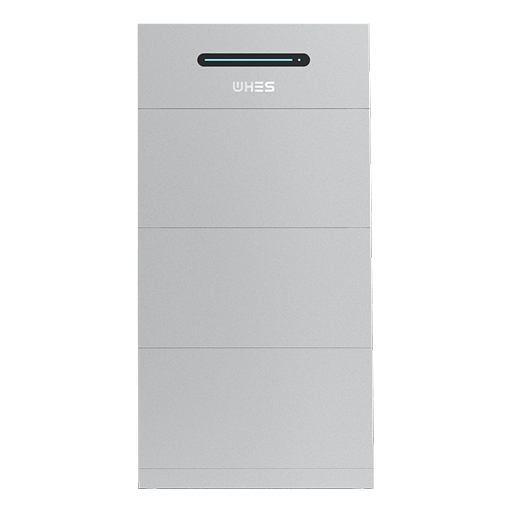
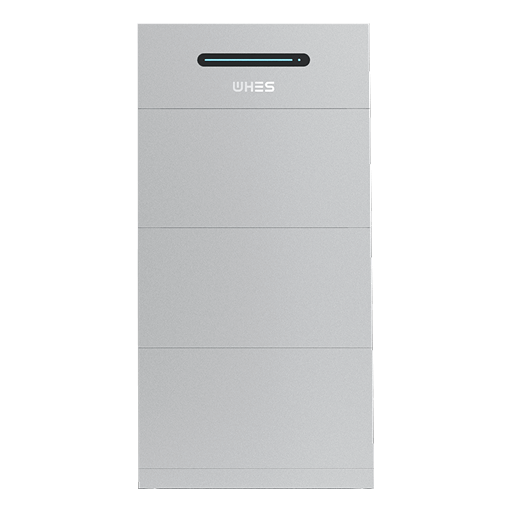
Custom-designed residential ESS units are attractive because they’re modular: standardized inverters, predictable cycle life, and compact footprints make them easier to site and commission than large, bespoke BESS blocks. When you aggregate units intelligently—via behind-the-meter telemetry and a central energy management system—you create a virtual power plant that can dispatch to meet industrial timing needs. That means lower single-point failure risk, phased capital expenditure, and flexible control logic for state of charge (SoC) windows that align with process schedules.
Integration considerations: controls, communications, and validation
Integration isn’t magic; it’s a checklist. First, ensure communications: open protocols and reliable telemetry let site operators orchestrate charge/discharge around production cycles. Second, controls must support grid-edge functions—peak shaving and event-driven islanding—without disrupting critical loads. Third, validate with real-world trials: pilot a small cluster, test inverter harmonics against your campus loads, and verify SoC management across charge cycles. These steps avoid nasty surprises at scale, and they also save you from costly rework during commissioning.
Common pitfalls—watch for these
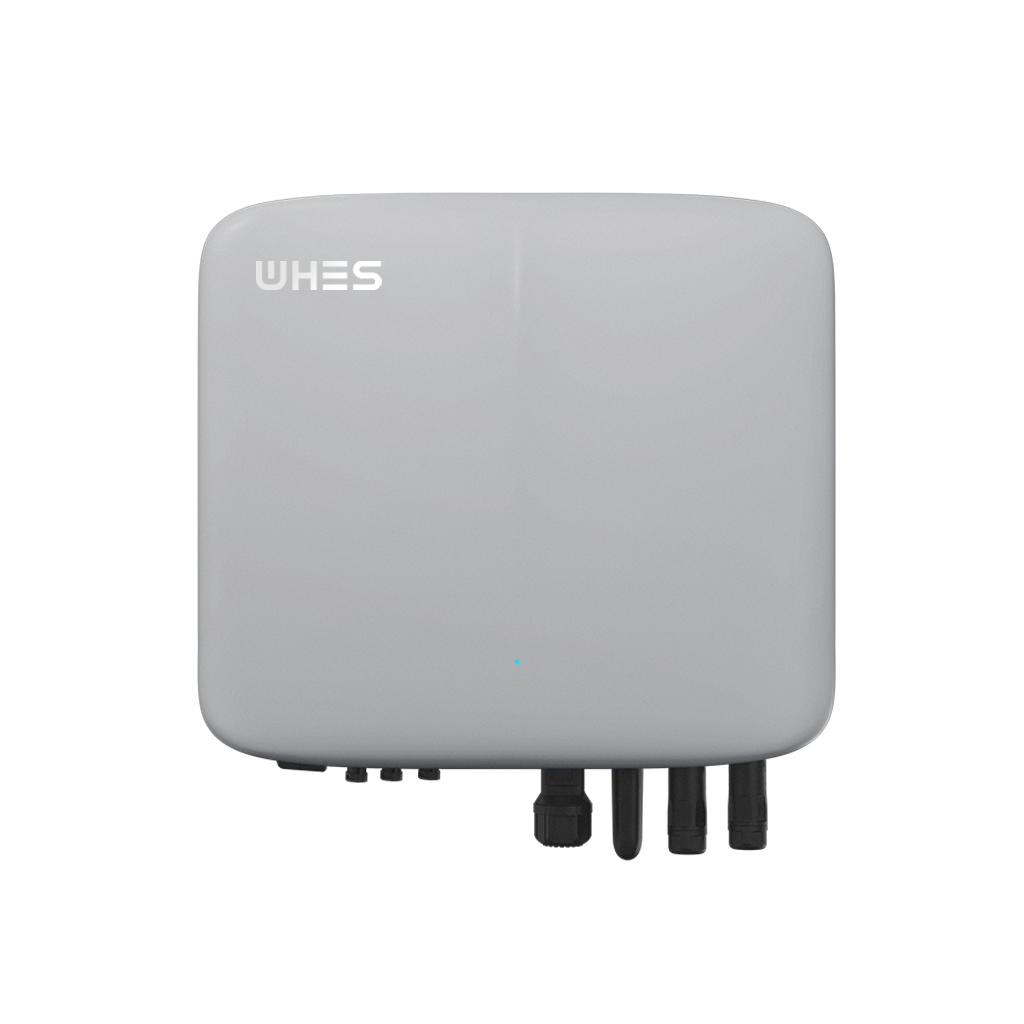
People underestimate interoperability and over-index on upfront cost. You can buy excellent cells, but if your inverter doesn’t play nicely with the plant’s harmonics, you’ll see nuisance trips. Tooling a single large BESS can be cheaper per kWh but less flexible; conversely, many small modules can proliferate spare parts and firmware versions. Another trap: neglecting operational policies for SoC and cycle depth—those determine calendar and cycle life and therefore total cost of ownership. —And yes, ignoring SoC constraints will bite you in warranty claims and replacement costs.
Real-world anchor: lessons from major blackout events
Big outages have already sharpened industrial appetite for distributed resilience. After the Texas February 2021 winter storm and California’s recurring public safety power shutoffs, many facilities started piloting distributed storage in front of and behind the meter. These events showed that localized storage, when aggregated and controlled, can keep critical processes online and reduce exposure to volatile spot prices during emergencies. That’s not theory; it’s back-office strategy turned operational priority.
Practical deployment scenarios
Consider three plausible paths: 1) Resilience-first: prioritize critical loads and islanding capability, using modular home-style units to maintain essential operations during outages. 2) Cost-first: optimize SoC schedules to cut peak demand charges and arbitrage TOU rates. 3) Hybrid: combine demand charge reduction with limited islanding for high-value systems. Each path alters procurement priorities—cell chemistry, inverter topology, and control firmware—so choose the scenario that matches your KPIs before issuing RFPs.
Advisory close: three golden rules for selecting the right strategies
1) Metric first: pick your primary KPI—downtime minutes avoided, $/kW of demand charge reduction, or payback period—and let that drive technology choices. 2) Integration maturity: require proven interoperability tests (inverter behavior, communications stack, and SoC management) as part of any procurement scorecard. 3) Total lifecycle cost: evaluate cycle life, warranty terms, replacement risk, and operational costs, not just headline unit price.
These rules help you translate the speculative promise of grid mastery into measurable outcomes. For real projects, modular residential-grade units often provide a quick, low-friction route to behind-the-meter agility—practical building blocks for larger energy strategies. WHES fits naturally into that conversation as a partner that designs modular storage and control approaches tuned to these industrial priorities. —