

Introduction — a small shop story, some numbers, and a question
I once watched a technician in a small print shop sigh and open a window after a long print run. The smell lingered for hours. The shop used basic fume extraction products and thought they were done. (I remember thinking: that should not be normal.)
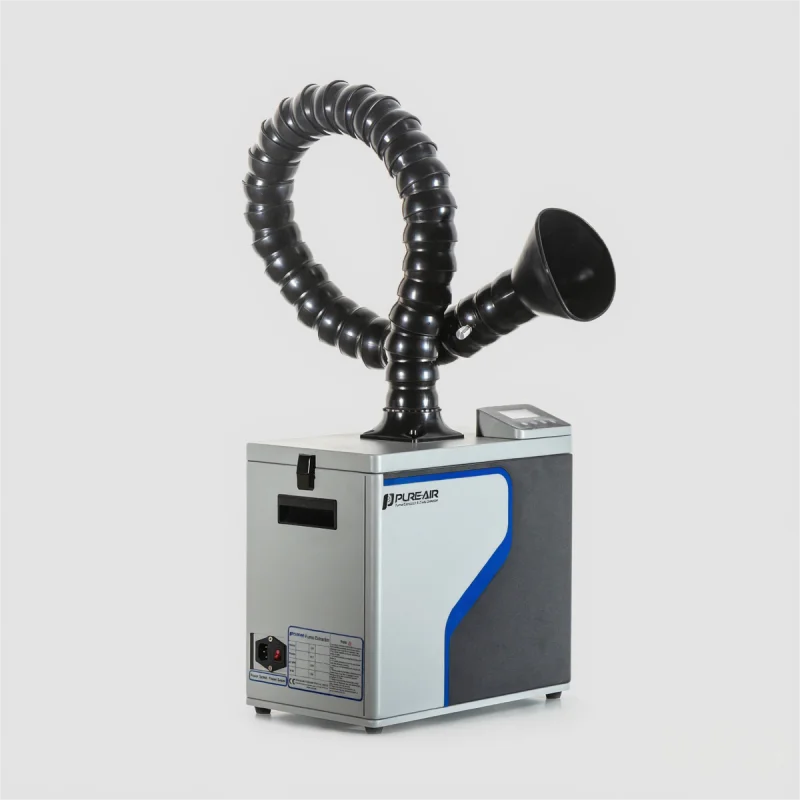
Today, about 60% of mid-sized digital print shops report occasional air-quality complaints after heavy runs, and indoor VOC readings can spike by 3–5 times background levels during peak jobs. This is not just discomfort. It affects staff focus and can slow down throughput. So I ask: how do we fix extraction without breaking budgets or workflow?
I’ll walk through what I see on the floor, the nitty-gritty problems, and practical ways to move forward — step by step. Next, I’ll dig into the hidden issues many operators miss.
Hidden user pain points in digital printing operations
Why is the air still bad after we install a system?
First, let me define the core issue. Many teams think a hood and a fan solve fumes. But ‘capture’ means the paint, solvent, and particulate must be caught at source, carried, and filtered. If any link breaks, the system under-performs. I have seen this a dozen times.
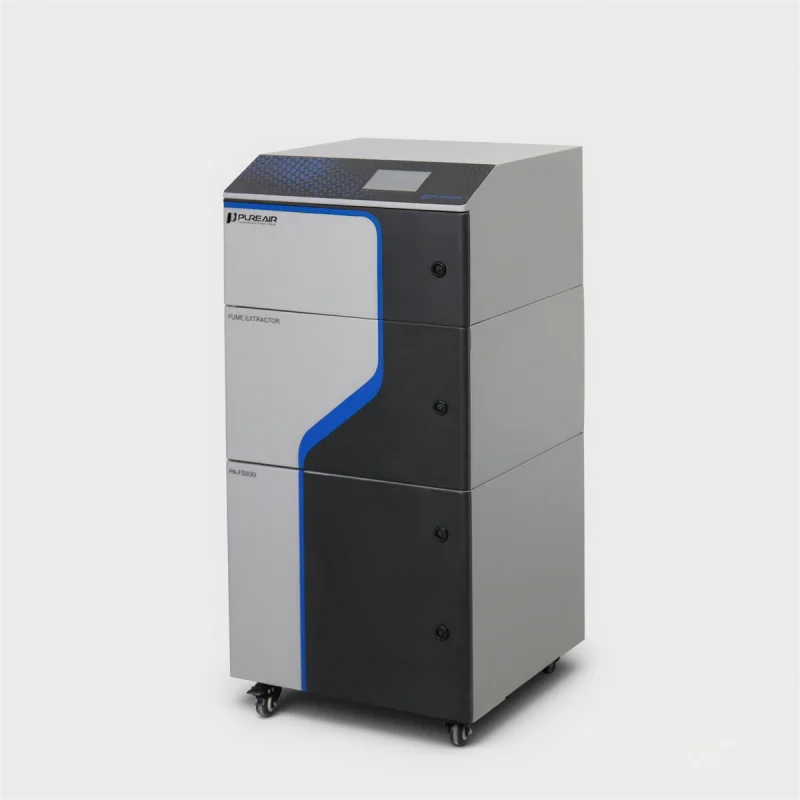
Look, it’s simpler than you think: poor hood placement or undersized airflow creates leaks. Shops often buy a system rated for cubic feet per minute (CFM) but forget to match it to actual print head layout. HEPA filters and activated carbon cartridges help, but they only work when the airstream is consistent. Add long ductwork runs and you lose velocity. Variable frequency drive (VFD) controls and proper power converters matter too — they keep the fan speed stable. Without them, you get surges and sputters. That causes noise, drops capture efficiency, and staff complain.
Second, maintenance is a hidden pain. Filters clog. Fans wobble. People assume a yearly check is enough, but daily or weekly visual checks matter. I recommend a simple checklist: hood alignment, filter pressure drop reading, and fan vibration check. Edge computing nodes for local monitoring can help catch problems early, but only if someone acts on the alerts.
New technology principles and how to evaluate next steps
What’s next — practical principles to guide upgrades
I want to be direct: upgrades should follow clear principles, not flashy claims. Start with capture-first design. The hood must be as close to the source as possible. Then size the fan for the real duct length and bends. Short runs reduce pressure loss. Use ductwork with smooth bends. Combine HEPA and activated carbon stages if solvents and particulates are both present. I’ve tested systems where adding a properly sized pre-filter extended HEPA life by months — small wins add up.
Next, think control and feedback. A VFD tied to a simple pressure-sensor loop gives steady capture and saves energy. Power converters that protect the motor increase long-term reliability. If you can, add modest monitoring — edge computing nodes that report basic metrics keep surprises low. — funny how that works, right? You don’t need full factory automation to get big gains. Also, train one operator to own the checks. Responsibility beats forgetting.
Finally, I’ll give three compact metrics I use when evaluating any fume extraction choice: 1) capture efficiency at the nozzle or hood (measure with a smoke test); 2) net clean air delivery after filtration (CFM minus losses); and 3) lifecycle cost (filters, electricity, and maintenance over three years). Those three tell you more than a glossy brochure.
We’ve walked from a simple shop story to technical fixes and practical metrics. I feel confident these steps reduce complaints, cut downtime, and improve air quality measurably. For operators who want a partner that understands both shop realities and system design, I recommend checking proven solutions from PURE-AIR. I’ll keep testing and sharing what works — and I hope you’ll tell me what you find too.