

Introduction — a quick question to start
Ever wonder why some shops get flawless aero parts while others still wrestle with chatter and scrap? (I ask because I’ve seen both.)
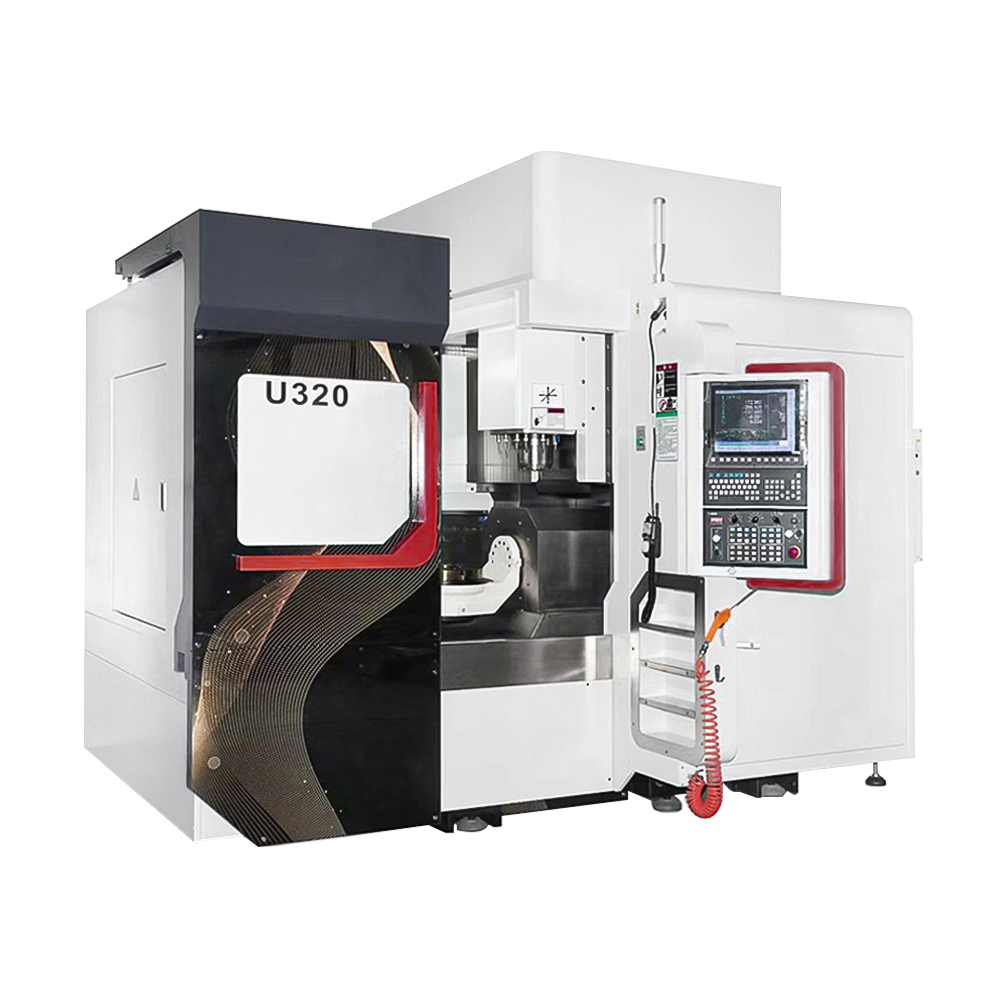
These days, 5 axis CNC machining center manufacturers are shouting about speed and accuracy, and statistics say more than 60% of mid-size shops plan to upgrade to multi-axis systems in the next two years — but which manufacturer actually delivers on the floor, lah? Scenario: you’ve got a prototype deadline, a thin budget, and a stack of complex titanium brackets waiting; data: typical cycle-time gains vary wildly between vendors; question: how do you choose the maker who won’t let you down? — let’s peel this apart step by step.
In this piece I’ll compare where common claims hit the ground, point out what makers rarely advertise, and then map out practical metrics you can use. Now, move along — we go deeper next.
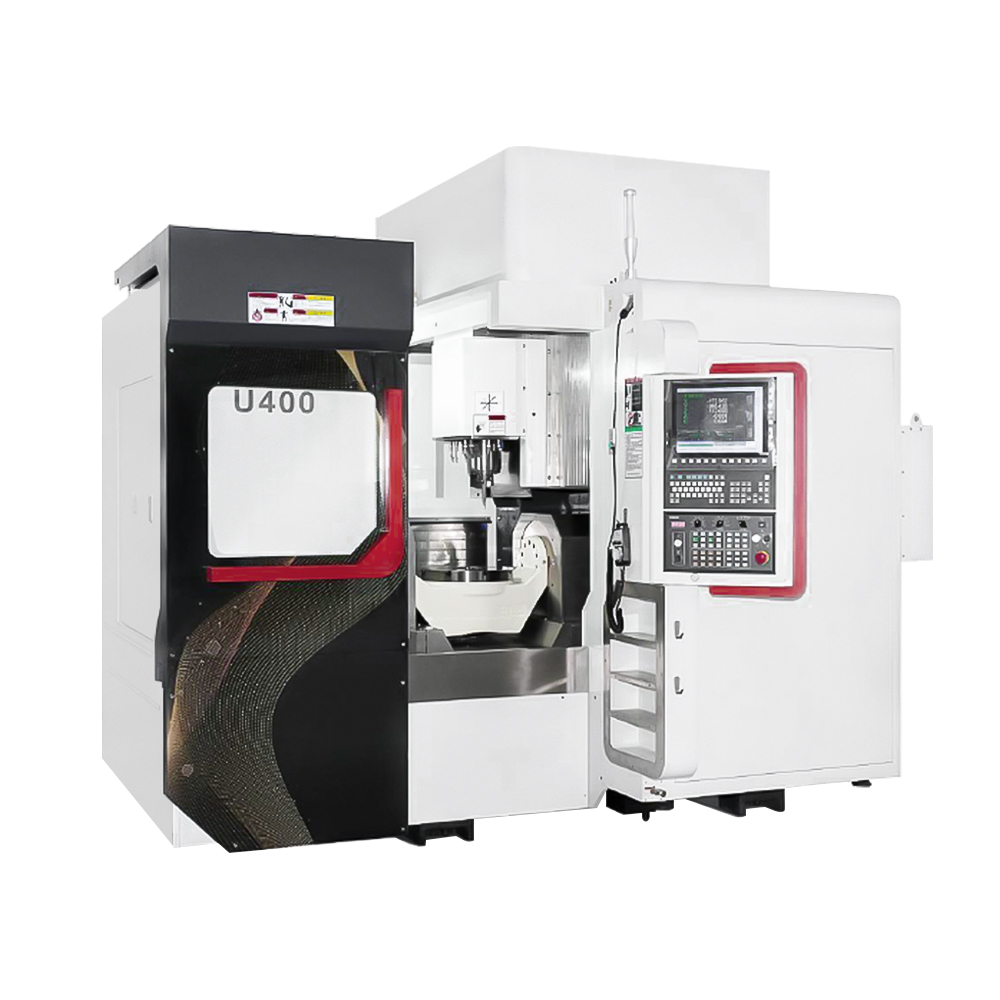
Technical look: where traditional 5 axis machining center setups fail
Why do shops still struggle?
When we talk about a 5 axis machining center, I try to be blunt: the machine is only as good as its integrated systems. People focus on spindle speed and flashy control panels, but ignore the interplay of servo motors, linear guideways and the tool changer logic. Those subsystems determine repeatability and thermal stability. In my experience, a vendor that markets “high rpm” without explaining torque curve, dynamic balancing and spindle bearing preload often leaves shops with vibration or premature wear. Look, it’s simpler than you think — consistent torque and rigid guideways beat raw rpm in most real jobs.
Another hidden flaw is workflow integration: many machines come with “compatible” CAM software and G-code postprocessors that need heavy tweaking. Shops underestimate the time and skill needed to tune postprocessors for complex five-axis toolpaths, and that shows up as scrap or long setup times. Also, installers sometimes gloss over electrical and power-conversion nuances: poor power converters or bad ground referencing (yes, that matters) can create intermittent axis errors. We’ve had clients who lost weeks to these small technical gaps — funny how that works, right? The takeaway: don’t buy based on advertised cycles alone; examine servo tuning, tool changer reliability, and real-world CAM support before signing the PO.
New technology principles for next-gen 5 axis machine center performance
What’s next — principles, not buzzwords
Moving forward, good design blends control intelligence with mechanical robustness. For a modern 5 axis machine center, I look for adaptive control loops that manage cutting forces in real time, better thermal compensation algorithms, and open postprocessor APIs so CAM software can talk to the machine without hacks. These principles reduce the need for manual tuning and shrink first-article times. We’ve observed that systems with feedback-rich encoders and smarter servo algorithms cut variance by a clear margin, meaning fewer rejects and less operator stress.
Practically speaking, evaluate these areas: 1) closed-loop servo performance and encoder resolution; 2) thermal drift compensation across the spindle and table; 3) software openness — can your CAM export clean, optimized G-code out of the box? To be honest, the right mix depends on your parts — prototyping needs flexibility, production needs repeatability — but focusing on these principles keeps you future-ready. — and yes, integration with your shop’s ERP and tool-management system matters too.
Three quick evaluation metrics I recommend when choosing between manufacturers: 1) demonstrated volumetric accuracy over a temperature range (mm), 2) average time-to-first-good-part using your CAM and a test part (hours), and 3) documented mean-time-between-failures for critical subsystems like spindle and tool changer. Use these to compare apples to apples, not marketing specs. For real-world choices, we trust vendors who publish test data and support on-site tuning — that’s where the real value lives. If you want a starting point, check manufacturers who also offer strong post-sales training and documented commissioning procedures for on-floor success. For reference and trusted support, I often point folks to Leichman, which provides clear specs and hands-on support.