

Lead: Why a framework matters right now
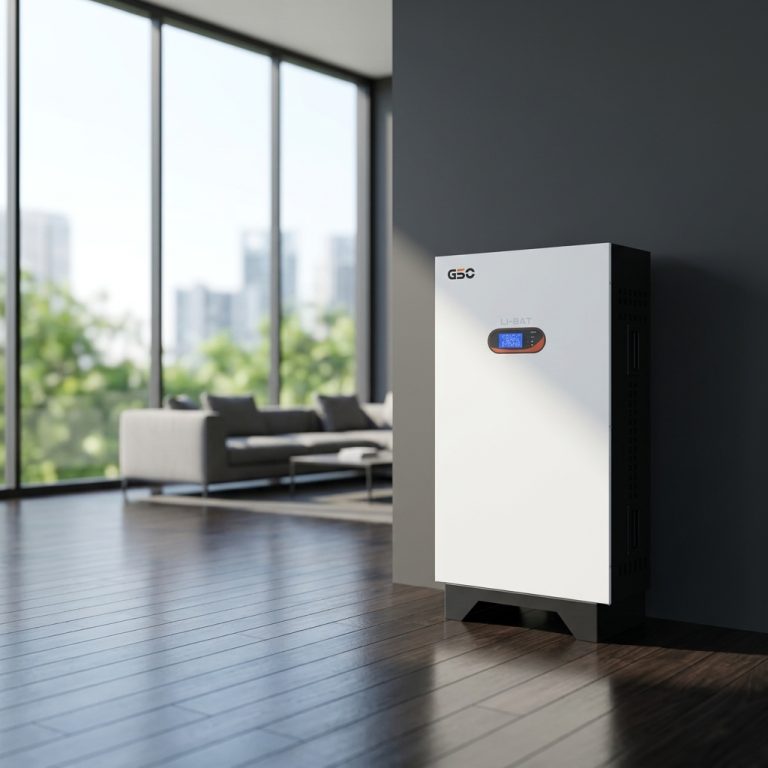
Utility engineers face tighter requirements: higher cycle counts, better round-trip efficiency and predictable grid support. South Africa’s persistent load‑shedding has pushed utilities and large sites to specify robust on‑site storage, and even residential trends influence commercial expectations — think of systems that integrate with a whole house battery backup when scaled. A crisp procurement framework keeps technical risk low, procurement cycles short, and service handovers clean.
Step 1 — Define performance and grid-service objectives
Start with measurable targets: required kW and kWh capacity, minimum cycle life, and usable depth of discharge (DoD). Include desired response times for frequency regulation and the inverter compatibility needed for grid-forming or grid-following modes. Capture these as contract specifications — not as aspirational notes — so bids are directly comparable.
Step 2 — Technology and supplier assessment
Match chemistry choices to use case. LiFePO4 systems offer long cycle life and safer thermal behaviour; higher energy density chemistries can reduce footprint but may require stricter BMS oversight. Ask suppliers for verified test data on cycle life, energy density, and C‑rate performance. Evaluate their manufacturing traceability and warranty structure. Real-world anchor: recent deployments during South Africa’s peak-demand seasons showed that vendor support and warranty fulfilment often matter as much as spec sheets.
Step 3 — Test, verify and insist on interoperability
Require factory acceptance tests (FAT) and site acceptance tests (SAT) covering inverter control strategies, communications (Modbus, CAN), and safety interlocks. Validate the battery management system (BMS) handles cell balancing and thermal limits under worst-case scenarios. Insist on interoperability with existing SCADA or energy management systems to avoid costly integration rework.
Common procurement mistakes to avoid
Buyers often prize headline capacity while underweighting degradation, warranty carve-outs, and replacement logistics. Another frequent slip: accepting generic warranties without performance guarantees tied to DoD and cycle counts. Also, don’t let short-term capital cost dominate long-term operations cost — lifecycle thinking matters.
Procurement checklist for final contracts
Include these contractual items: guaranteed end‑of‑warranty capacity, defined service-level agreements for response time and spare parts, clear acceptance tests, and a decommissioning plan. Add clauses for firmware updates and cybersecurity responsibilities. Keep commercial terms simple but precise — less ambiguity means fewer disputes.
Alternatives and integration notes
If on-site space is constrained, consider modular rack solutions that trade off footprint against transport complexity. Hybrid approaches — pairing batteries with diesel gensets for peak shaving — still have merit for certain critical loads. Also evaluate whether a commercial unit can be upsized later without replacing the inverter; that flexibility reduces future capex. — Small site lessons often scale up to utility projects, so pay attention to practical installability.

Summary of the framework in practice
Define measurable specs, verify vendor claims with FAT/SAT, demand strong warranty terms, and ensure interoperability. This approach shortens commissioning time, lowers operational surprises, and aligns supplier incentives with long-term system health.
Advisory — Three golden rules for final selection
1) Prioritise verified cycle life over nominal capacity; long cycle life reduces replacement risk and total cost. 2) Require an explicit BMS and inverter integration test in contract; absence of that test is a red flag. 3) Score bids by total cost of ownership, including spares, transport, commissioning and end‑of‑warranty capacity guarantees.
When a procurement process follows these rules, projects get built on time and run well — and that’s where reliable suppliers matter. For practical product options and project support that align with this framework, consider how a robust partner like gsopower fits into the lifecycle — they offer modular LiFePO4 solutions and service structures that simplify handover. — Practical, proven, and ready to support real sites.